On this page
A client once told me their dog’s diet was basically “clean eating” because it mirrored their own bowl — mushrooms sautéed in olive oil, tossed over rice, shared without a second thought. Mushrooms are a health-food staple for people, so the assumption follows naturally: if they’re good for us, they can’t hurt the dog snoring under the table. That premise is only half right, and the half that’s wrong can be fatal.
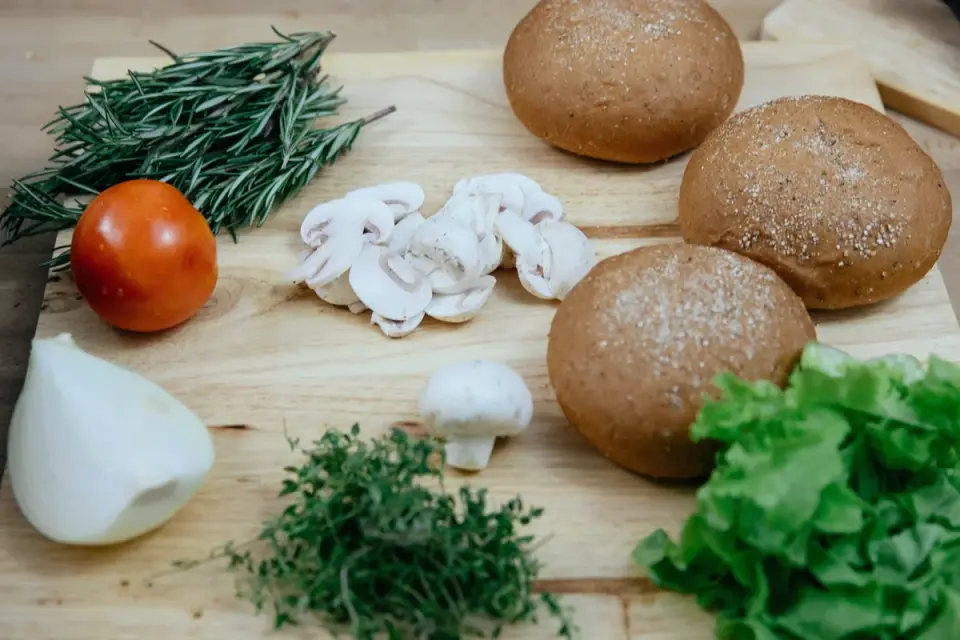
Here’s the test I’d put that premise through. A cooked, plain button mushroom from a grocery store and a small brown cap sprouting after rain in the same backyard look almost identical to a dog’s nose and to plenty of owners. One is a low-calorie snack. The other might contain amatoxins capable of shutting down the liver in under a week. Can Dogs Eat Mushrooms? notes that plain, cooked white button, cremini, portobello, and shiitake mushrooms are generally fine for dogs in small amounts, without the garlic, onion, salt, or butter that often rides along in a human dish. The species matters enormously. The preparation matters too.
The Backyard Isn’t the Produce Aisle
Wild mushrooms are where this topic turns serious. Fungi growing in lawns, mulch beds, compost piles, and along wooded trails are a different category of risk than anything sold in a plastic clamshell, and identification in the field is genuinely hard — hard enough that experienced foragers get it wrong. The working rule I give owners is blunt: treat any wild mushroom your dog finds as a possible poison until an expert says otherwise. ASPCApro frames mushroom toxicosis as a veterinary emergency precisely because guessing at species in the yard is not a safe strategy.
The mushroom that worries me most is Amanita phalloides, the death cap, and its relatives. These contain amatoxins that block protein synthesis inside liver cells, and the damage compounds over days rather than announcing itself immediately. That delay is the cruel part. A dog might vomit once, seem to bounce back, and then decline sharply 48 to 96 hours later as liver failure sets in — long after the mushroom itself is forgotten. That lag is exactly why “he seems fine” is not a green light to skip the vet call.
When It Actually Goes Wrong
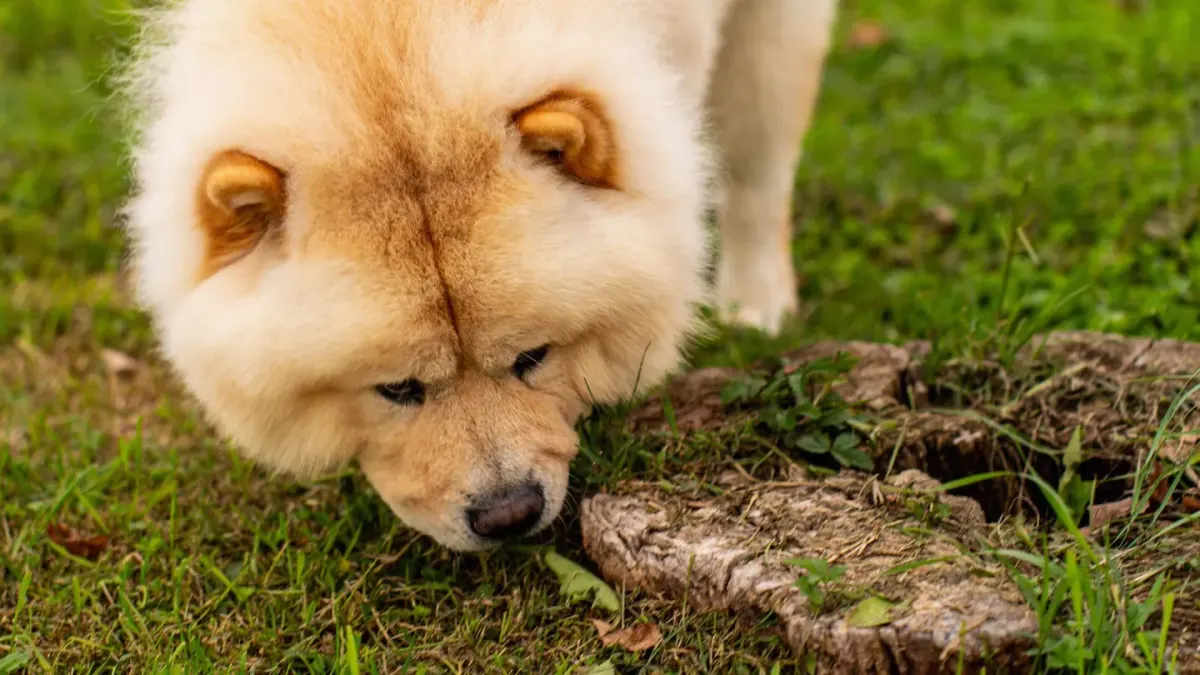
Picture a dog on an early trail walk, nose down in the leaf litter near a rotting log, gulping something before the leash even goes taut. The owner does the sensible thing and checks the dog’s mouth, finds nothing, and keeps walking, relieved. Hours later the dog seems a little quiet, maybe skips dinner, and by the next morning is vomiting and lethargic. That arc — brief normalcy, then a steep drop — is textbook for several of the toxic species, and it’s the reason I push owners toward action at the moment of ingestion, not the moment of symptoms. UC Davis School of Veterinary Medicine documents this staged pattern, and it lines up with what shows up again and again in vet forums and emergency-clinic reports: owners caught off guard by a quiet interval between exposure and real illness.
Symptoms vary by toxin, which is part of what makes this hard to triage from home. Some dogs show gastrointestinal signs — vomiting, diarrhea, drooling — within 30 minutes. Others develop neurological signs like tremors, disorientation, or an unsteady, drunken gait. A few toxins target the liver and kidneys on a delay measured in days, not hours. Mushroom Poisoning in Dogs lists yellowing of the gums or eyes as a red flag for liver involvement worth an immediate call, not a wait-and-see approach.
Weighing What’s Actually on the Table
So where does the evidence actually land, once you strip out the anxiety and the anecdotes? Plain, cooked culinary mushrooms in modest amounts are a reasonable, low-stakes addition for most healthy dogs — they’re low in calories and carry some fiber, nothing miraculous, nothing worth building a routine around. Wild mushrooms are the opposite: unpredictable, hard to identify, and occasionally lethal within days. An integrative approach to diet doesn’t mean treating every ingredient as equally low-risk just because it’s plant-derived or common in a human kitchen; it means grounding the recommendation in what the specific species and preparation actually do, and being honest that a stray backyard cap deserves far more caution than a sautéed one on a plate.
If your dog does get an upset stomach from a questionable mushroom nibble — not a suspected toxic ingestion, just a mild reaction — the instinct to reach for a supplement stack is understandable but usually backwards. The better first move is a bland, simple diet for a day or two and a call to your vet if it doesn’t settle. This is also a good moment to think about the rest of the diet picture: dogs prone to grabbing odd things off the ground often do better with consistent, satisfying meals, which is part of why our guide to preparing sweet potato safely gets asked about so often — it’s a lower-risk way to add fiber and variety without the guesswork mushrooms require.
A Home Checklist Worth Keeping
A few habits go a long way here. Walk your yard after rain and clear mushrooms before your dog gets to them — this is the single highest-yield move for most households. Keep dogs on-leash or under close voice control on trails during wet, mild weather, when fungi flush fastest. Save a bagged sample and a photo of the growth site if ingestion is ever suspected; it genuinely speeds up identification and treatment decisions at the clinic. Skip seasoned or sauced mushrooms entirely, even the store-bought kind, since garlic and onion carry their own separate risks. And treat any wild mushroom ingestion as same-day-call territory, not wait-and-watch, given how convincingly some dogs look fine before they don’t.
Owners managing a dog through joint supplements or a fish oil routine sometimes ask whether new foods complicate the picture — it’s a fair question, and one worth reviewing alongside our piece on whether fish oil is safe for long-term use so the whole diet, not just the mushroom question, gets a second look. Older dogs on cognitive-support routines might also want to see our notes on MCT oil and senior cognitive decline before adding anything new to the bowl.
So: is a mushroom dangerous or harmless? Both, depending entirely on which one you’re holding — and that’s really the only honest answer this topic allows.
Frequently asked questions
Can dogs eat mushrooms from the grocery store?
Plain, cooked, unseasoned white button, cremini, portobello, and shiitake mushrooms are generally considered safe for dogs in small amounts, according to PetMD. Skip the garlic, onion, butter, and salt that often come with them.
What if my dog eats a mushroom in the yard and seems totally fine?
Don't relax yet. Some of the most dangerous species have a delayed onset, with liver damage sometimes not becoming obvious for a few days, per UC Davis. Call your vet or poison control the same day, even if your dog looks normal.
How can I tell if a wild mushroom is toxic?
You generally can't, not with confidence, and neither can most owners or even many mycology hobbyists. The safest working assumption is that any wild mushroom your dog finds is potentially toxic until identified by an expert.
What are the first signs of mushroom poisoning in dogs?
Vomiting, diarrhea, drooling, tremors, wobbliness, and low energy are common early flags, though timing varies by toxin — some appear within 30 minutes, others take up to a day or more.
Sources
- Can Dogs Eat Mushrooms? — PetMD
- Mushroom Poisoning in Dogs — PetMD
- Mushroom Toxicity in Dogs — UC Davis School of Veterinary Medicine
- Mushroom Poisoning in Dogs — ASPCApro