Sep 30, 2026
Choosing a Probiotic for a Dog on a Grain-Free Diet
How to match probiotic strains, fiber, and feeding routine to a grain-free diet, plus when to pause and call your vet.
Practical, movement-first ways to support your dog's joints and mobility at home.
28 guides in this section.
How to match probiotic strains, fiber, and feeding routine to a grain-free diet, plus when to pause and call your vet.
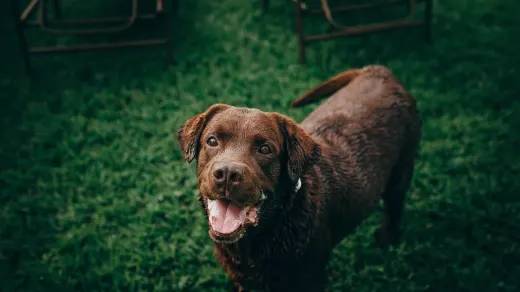
Grass eating plus soft stool, gas, or vomiting? Learn how to read the pattern, what to look for on a probiotic label, and the daily routine that steadies grazing.

Why hard-working guts get loose, what exercise does to digestion, and how to pick a probiotic plus food, rest, and movement plan that supports a very active dog.
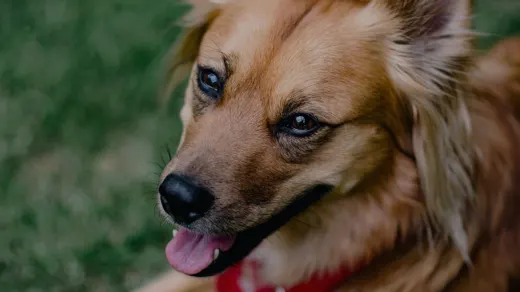
Senior dogs often need steadier gut support, not a completely different probiotic. Learn when age changes the formula and when routine matters more.
A practical guide to judging bulk dog probiotic tubs by strain, CFU guarantee, fiber support, and storage.
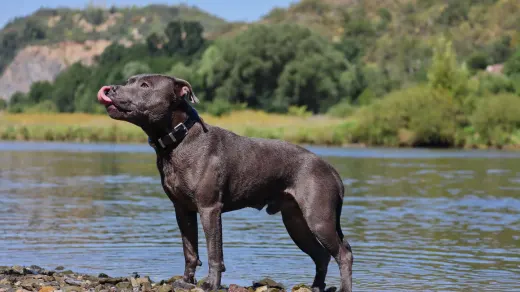
A TCVM veterinarian explains when cold-chain probiotics earn their cost, when shelf-stable makes more sense, and how to build steady digestion with routine, movement, and food.

A mobility-focused vet explains how yogurt and kefir work in the canine gut, when small servings fit, and what to avoid.
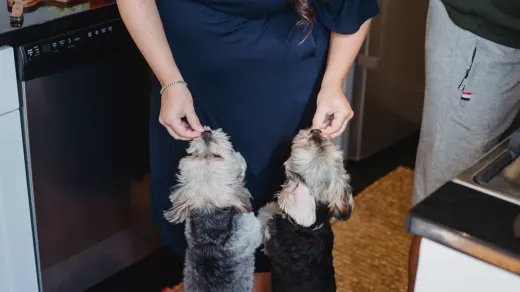
A clinician-minded guide to choosing a liquid dog probiotic — strains, CFU, prebiotics, storage, and when the form helps or hurts.
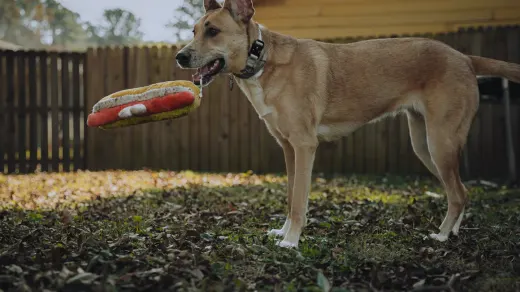
A vet's checklist for choosing a dog probiotic paste — strains, CFU honesty, fiber and use cases.
A food-first guide to reading dog probiotic sachets — strains, CFU, fiber, storage, and feeding routines that support normal digestion.
A practical guide to reading probiotic tablet labels, from CFU counts and strains to fiber, storage, and daily routines.
A practical guide to choosing a dog probiotic topper — strains, fiber, postbiotics, enzymes, and the routines that support normal digestion.
A practical guide to chronic soft stool in senior dogs, from food-first steps and fiber to vet checks for EPI and gut support.
Yes, mild gas and loose stool are common when starting a probiotic — here's how to tell that from true bloat, and how to introduce one safely.
Formed stool isn't the finish line. Here's what the diagnostics and the microbiome research actually say about how long gut recovery takes after a dog's stomach illness, and how to support it.
A TCVM-trained veterinarian tests the "it's just a treat" premise on turkey skin, explains why fat — not the meat — usually drives the diarrhea, and lays out an owner's plan.
A TCVM-trained DVM breaks down what dog poop colors and textures actually signal — which changes are diet noise, which warrant a same-day call, and how texture, mucus, and pattern read together.
A vet explains why fast food switches upset a dog's gut, what a real transition schedule looks like, and when vomiting after a switch means it's time to call your vet.
A TCVM-trained veterinarian breaks down how slippery elm bark's mucilage actually works in a dog's gut, where the evidence stops, and when soft stool needs more than a soothing coat.
A vet breaks down the real range of probiotic side effects in dogs — normal gut adjustment, quality-control failures, and the patients who need a different plan first.
A clinical look at how a dog's gut changes from puppyhood through the senior years, and what actually helps at each stage.
A veterinary nutritionist's guide to holiday-table vomiting in dogs — what's happening in the gut, what to do in the first hours, and when it stops being a wait-and-see situation.
A vet explains why loose stool shows up after a dog's surgery or dental under anesthesia, what's actually going on in the gut, and the home checklist that helps recovery.
A vet explains why a diet change so often produces days of gas, loose stool, or a rumbling belly — and what actually settles a dog's gut back down.
A TCVM-trained vet tests the disputed premise that any probiotic chew can rebalance a dog's gut, then lays out what strain data, CFU counts, and a whole-dog routine actually require.
A vet's stage-by-stage look at when digestive enzyme supplements genuinely help dogs, when they're unnecessary, and how enzyme support fits alongside diet, probiotics, and movement.
Loperamide (Imodium) can slow a dog's diarrhea, but a breed-linked genetic mutation makes it dangerous for a meaningful share of dogs. Here's how to decide, and what to do instead.
A vet-informed, food-first guide to firming up a puppy's loose stool naturally, covering diet, fiber, probiotics, gentle belly support, and when to call your vet.