On this page
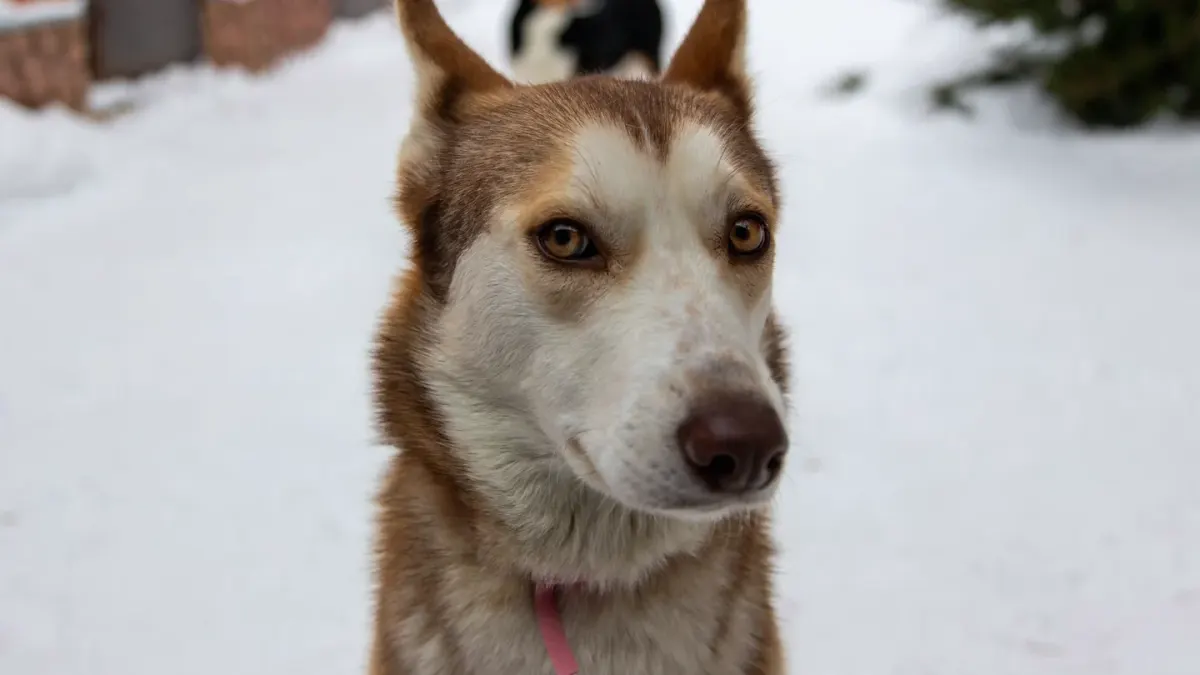
Owners bring me the same assumption almost every winter: if a dog has a “husky coat,” it’s fine outside in any weather. I push back on that premise more than almost any other cold-weather claim I hear in exam rooms. Coat type matters, but it is not the whole story — body condition, age, joint health, and how long a dog is actually out there matter just as much, sometimes more.
Does a thick coat mean a dog is built for the cold?
Mostly, yes, but not completely. A true double coat — a soft, insulating undercoat topped by longer, water-resistant guard hairs — is the single strongest predictor of cold tolerance in dogs. According to the What Is a Double Coat, and What Dog Breeds Are Double-Coated?: American Kennel Club, that outer layer of guard hairs is roughly twice the length of the undercoat and is designed to keep snow and moisture from ever reaching the skin. Breeds like the Siberian Husky, Alaskan Malamute, Norwegian Elkhound, and Newfoundland were developed for arctic work, freighting, or icy-water rescue, and their coats reflect that history directly.
But a double coat isn’t a free pass. I’ve examined plenty of thick-coated dogs with frostbitten ear tips because their owners assumed the coat was doing more protective work than it actually was for that individual animal.
The breeds that consistently handle cold well, and why
Siberian Husky and Alaskan Malamute. Dense double coats, compact ears, and a build shaped by generations of sled work. The Reasons Why Northern Breeds Rock Cold Weather: AKC notes that northern breeds carry traits — from coat density to paw structure — that were selected specifically for sustained cold exposure, not just brief exposure.
Newfoundland and Saint Bernard. Large-bodied, heavily coated, with enough subcutaneous fat to buffer core temperature. Newfoundlands were bred to work in icy water, which is a harder cold-tolerance test than dry snow.
Tibetan Mastiff. Developed in the Himalayas, with an immense double coat built for high-altitude cold rather than urban winters.
Keeshond and Norwegian Elkhound. Smaller than the arctic working breeds but still genuinely double-coated, historically kept as outdoor watchdogs and hunting companions in Nordic and Dutch winters.
None of these breeds should be treated as cold-proof. They are cold-tolerant, which is a different claim, and I want owners to hold that distinction.
A case that reframed how I counsel owners on this
A few winters ago I saw an eight-year-old Alaskan Malamute named Koda, sixty-eight pounds, brought in because his owner noticed him slowing down on their usual half-mile evening loop. The owner assumed cold was never a concern for a malamute — that was the whole reason they’d chosen the breed. But Koda had mild hip arthritis, and cold pavement was stiffening his joints faster than warm-weather walks did, especially in the first ten minutes out the door. His gait was fine at the start of the walk and noticeably choppier by the last block, worse on cold mornings than mild afternoons. We shortened his outings, added a warm-up lap around the yard before the real walk, and put a supportive layer down over the coldest tile in the house where he slept. Within a few weeks his owner reported he was moving more like himself again by the second half of the walk instead of stiffening up. The coat had never been the limiting factor — the joints were.
What actually protects any dog once it’s cold outside
Coat type sets a baseline, but four other things determine whether a specific dog is safe:
- Body condition. Thin or underweight dogs, including senior dogs losing muscle mass, lose heat faster regardless of coat.
- Age and joint health. Cold tends to stiffen arthritic joints, which is why senior dogs and dogs with existing mobility issues often need shorter, slower cold-weather walks even if their coat says otherwise.
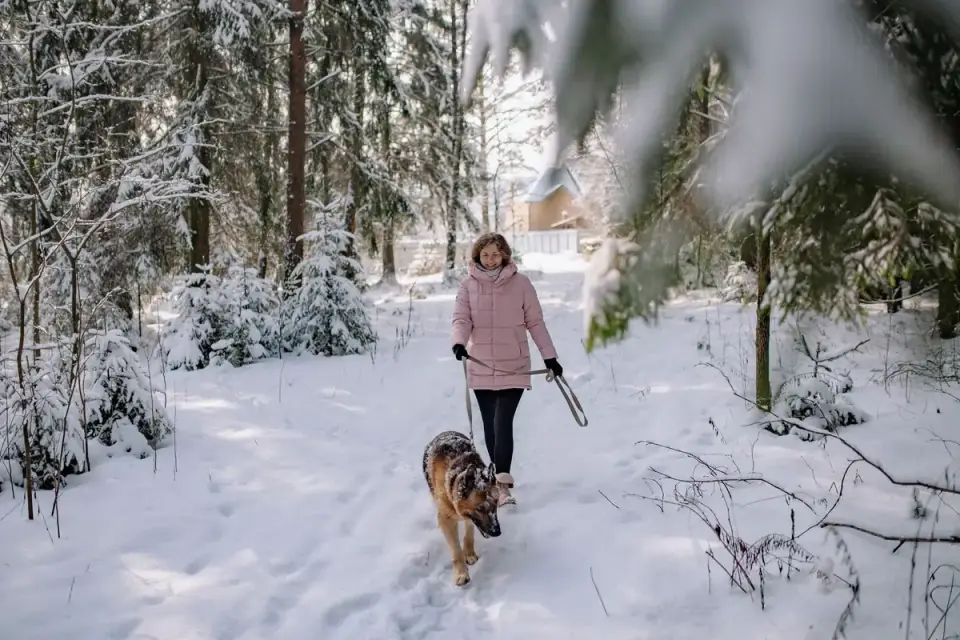
- Exposure time. According to the American Veterinary Medical Association: AVMA, walks should be shortened in very cold weather, and no pet should be outside for long stretches once temperatures drop below freezing.
- Paw and skin condition. Cracked pads, ice balls between toes, and de-icing salt are common, preventable cold-weather injuries in any breed.
Watch for hypothermia and frostbite regardless of coat type. Per veterinary sources at Small Door Veterinary, early hypothermia looks like shivering, cold ears and paws, and reluctance to move, while frostbite most often shows up on the ears, tail, nose, and paws as pale, gray, or bluish tissue that later turns red and swollen as circulation returns. Any of these signs warrants a same-day vet call — surface symptoms are usually milder than the underlying tissue damage.
Where I land, and the counterargument I take seriously
The strongest pushback I hear is that breed choice should be enough — pick a husky or a malamute and cold weather stops being a variable. I don’t buy that as a complete answer, because I’ve seen too many well-coated dogs land in my exam room with frostbite, stiff joints, or salt-irritated paws. My position is that breed selection sets the starting line, not the finish line: choose a genuinely double-coated breed if you live somewhere genuinely cold, then manage the individual dog’s age, weight, and joint health on top of that. That’s the only version of this advice that has held up across the dogs I’ve actually treated.
If you’re weighing breed traits more broadly, it’s worth comparing how the same coat and body-type questions play out for other lifestyle factors, like what predicts a good fit for apartment living or which breeds tend to be lower-maintenance for busy owners. Coat density also comes up constantly in allergy-driven breed searches, and it’s a similar story there — one trait rarely tells the whole story on its own.
Owner checklist before winter hits
- Confirm your dog actually has a double coat, not just a long single coat, before assuming built-in cold tolerance.
- Shorten walks and skip prolonged outdoor time once temperatures drop below freezing.
- Check paws after every walk for ice buildup, cracked pads, or salt residue.
- Watch senior dogs and arthritic dogs for stiffness that’s worse at the start of a cold walk.
- Call your vet promptly if you see pale or bluish skin on ears, tail, nose, or paws, or persistent shivering and lethargy.
Winter planning gets easier once you stop treating “cold-weather breed” as a single yes-or-no label and start asking what this particular dog, at this age and this weight, can actually handle this season.
Frequently asked questions
Do short-haired dogs ever do well in cold climates?
Some can with the right support, but they generally need coats, shorter outdoor time, and closer monitoring than double-coated breeds, since they lack the built-in insulation.
Is a husky ever too cold for outdoor exercise?
Yes. Cold-tolerant breeds still need shorter walks in extreme cold, and any dog with joint issues or thin body condition needs extra caution regardless of breed.
Sources
- Reasons Why Northern Breeds Rock Cold Weather — American Kennel Club
- What Is a Double Coat, and What Dog Breeds Are Double-Coated? — American Kennel Club
- Cold weather animal safety — American Veterinary Medical Association
- Hypothermia and Frostbite in Cats and Dogs — Small Door Veterinary