On this page
The premise I keep hearing in exam rooms is blunt: tomatoes are nightshades, nightshades are dangerous, so the whole plant goes on the no list. I understand the instinct — the same instinct that sends me reaching for both an MRI and an acupuncture needle before I rule anything out sends a cautious owner straight to a blanket ban. But a blanket ban is a lazy answer to a question that actually has a clean, evidence-backed shape once you separate the fruit from the plant.
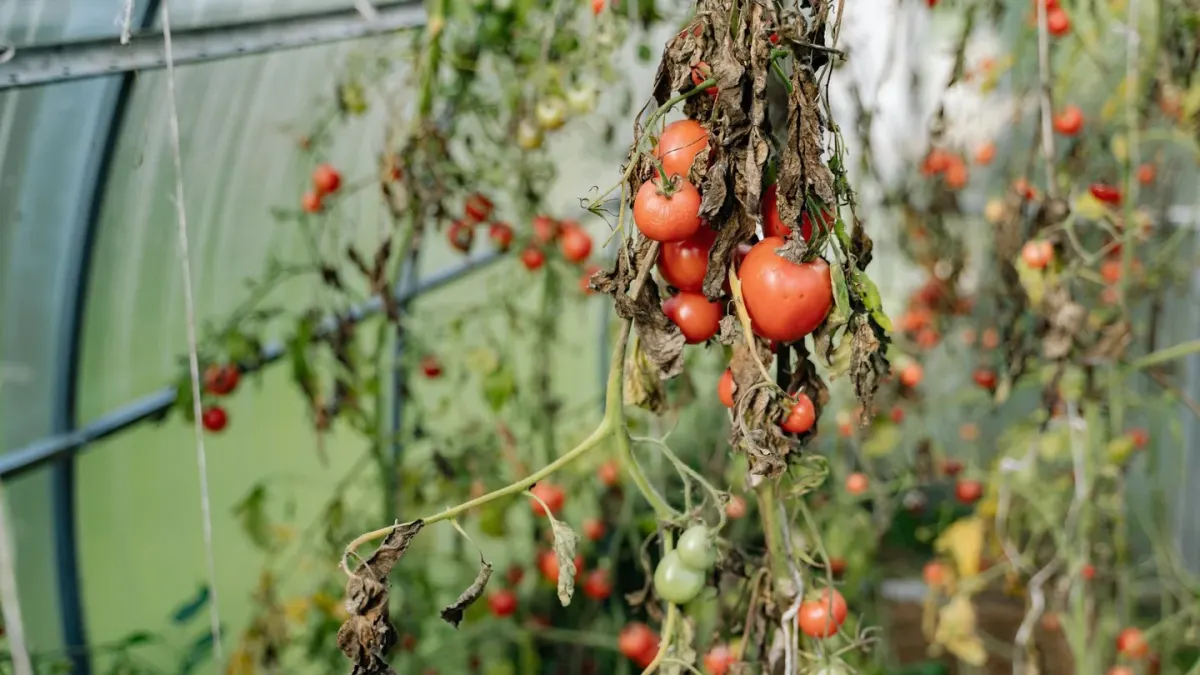
A client brought a young Beagle mix named Clementine into the clinic one August afternoon, tail wagging, very pleased with herself, having spent the better part of an hour working her way along a backyard tomato row. The owner had watched her eat several ripe red tomatoes off the vine and, worried, called ahead before driving over. What had actually happened, once we sorted through it, was mostly benign: Clementine had gorged on ripe fruit and picked at a few green ones and some foliage along the way, and she came in a little drooly and disinterested in dinner but otherwise bright and responsive. That gap — between what owners fear and what the ripeness of the fruit actually predicts — is the whole story of this ingredient.
The Nightshade Reflex, and Why It Overshoots
Tomatoes belong to the nightshade family, and nightshades do carry glycoalkaloids — tomatine and solanine chief among them — that act as a built-in pest deterrent for the plant. Where owners overshoot is treating the entire plant as a single risk category. According to the ASPCA, the tomato plant itself is listed as toxic to dogs, with the concentration of concerning compounds sitting mainly in the leaves, stems, and unripe fruit, not the ripe tomato most of us slice into a salad.
What Ripening Actually Does to the Chemistry
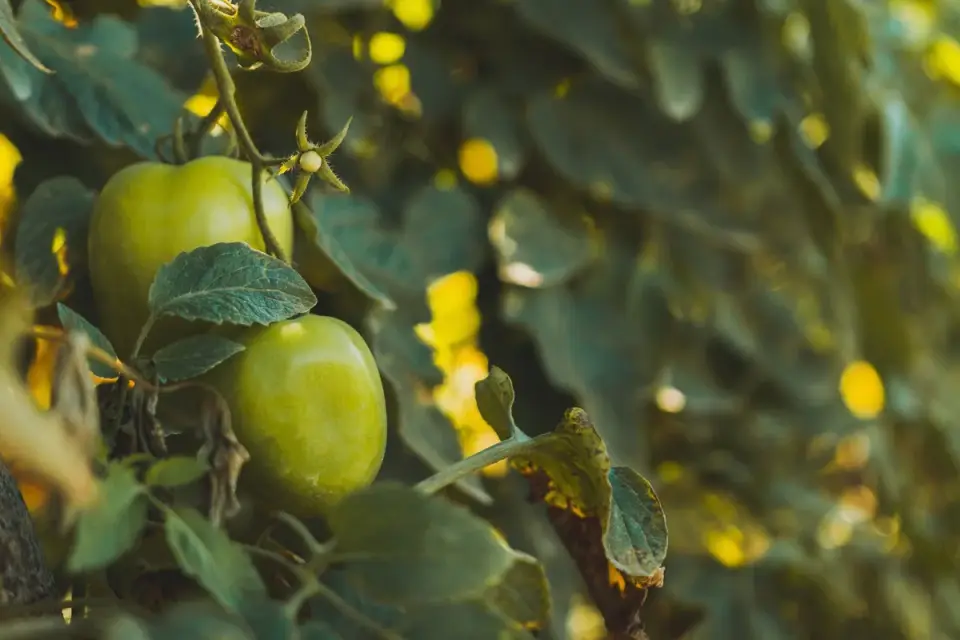
As a tomato moves from green to red, tomatine and solanine levels drop sharply. That is not folk wisdom, it is the mechanism behind why a ripe tomato reads as a fundamentally different exposure than a green one. Pet Poison Helpline describes the highest potency of these compounds as sitting in unripe fruit and green foliage, with clinical signs from a significant exposure running toward hypersalivation, GI upset, weakness, and, in larger exposures, changes in heart rate.
That is the mechanistic answer to the disputed premise. The fruit is not uniformly dangerous. Ripeness is the variable doing the actual work, and a dog that eats a ripe tomato slice off a cutting board is not undergoing the same physiological event as a dog that strips a vine of green fruit and leaves.
How Much Is Actually Too Much
Volume changes the calculus more than most owners expect. A single cherry tomato dropped from a sandwich is a different event than a dog working through a backyard row unsupervised, the way Clementine did. AKC frames occasional ripe tomato as an acceptable treat in moderation, without stems or leaves attached, which is the same practical line I give owners: strip the green parts, keep the serving small, and treat it as an occasional add-in rather than a diet staple. Dogs with sensitive stomachs, pancreatitis history, or existing GI disease are the ones I’d rather skip it with entirely, since even a mild trigger is not worth it in that population.
Owners managing a dog through a broader mobility or aging plan may already be thinking hard about diet basics, and the same reasoning that governs a piece like can dogs eat sweet potato applies here too: know which part of the plant you’re offering, and know your dog’s individual tolerance before you make it a habit.
When Digestive Support Earns a Place at the Bowl
If a big exposure does trigger a rough day or two, most dogs settle with a bland diet, hydration, and rest, with a vet call reserved for persistent vomiting, lethargy, or any hint of a slowed heart rate. Probiotic support is a common add-on during recovery, though I hold that recommendation loosely. A 2025 randomized trial in dogs, published by Frontiers in Veterinary Science, found that diversity metrics did not distinguish non-responders from responders, a fair reminder that gut-support supplements help some dogs more predictably than others and are not a substitute for monitoring the actual clinical picture. The same logic applies to any long-term add-on layered onto a senior dog’s routine, the way I’d want an owner to weigh a supplement discussed in is fish oil safe for dogs long term: know why you’re adding it, and keep expecting it to support rather than fix.
An Owner’s Tomato Checklist
Here is where I land, and where I ask owners to land with me: don’t fear the ripe tomato, respect the green plant. Before you offer one, confirm it’s fully red and ripe, remove any stem, cut it into a size appropriate for your dog, and keep the portion small — a slice or two, not a bowlful. If you grow tomatoes at home and your dog has unsupervised yard access, fence the bed or train a boundary, because the plant itself, not the ripe fruit on your counter, is the part worth keeping out of reach. And if a big, unmonitored exposure happens, vines, green fruit, a chewed-up plant, watch for drooling, vomiting, weakness, or lethargy over the following several hours, and call your vet rather than guessing. That is the whole disputed premise, resolved: the fear was aimed at the wrong half of the plant.
Frequently asked questions
Is a small piece of ripe tomato an emergency?
Generally no. A bite or two of plain, ripe tomato flesh is unlikely to cause more than mild, transient stomach upset in most dogs, according to the same sources that flag green tomato plant material as the real hazard.
What if my dog raids the garden and eats green tomatoes or vines?
That warrants a call. Tomatine concentrations are highest in unripe fruit, leaves, and stems, and a large mouthful of garden material is a different exposure than a slice off the cutting board.
Are cherry tomatoes any different from big slicing tomatoes?
Not meaningfully, once ripe and red. Size of the fruit matters less than ripeness and how much plant material came with it.
Should I keep tomato plants out of a yard a dog has access to?
If your dog is a known plant-chewer, yes — fencing off a home tomato patch is simpler than monitoring ripeness all season.
Sources
- Toxic and Non-Toxic Plants: Tomato Plant — ASPCA
- Are Tomatoes Bad for Dogs? What's Safe & What's Toxic — Pet Poison Helpline
- Tomatoes for Dogs: What's Safe and What's Not — AKC
- Diversity metrics and probiotic response in dogs — Frontiers in Veterinary Science