On this page
Extra large dog breeds do not just need more space, they need a joint-aware life from puppyhood through the senior years. That means measured exercise, non-slip flooring, lean body condition, and steady strength work that supports the spine and limbs while keeping the whole dog balanced.
My premise is this: if you manage load every day, structure stays comfortable longer. Chiropractic alignment and acupuncture flow both depend on how a giant dog moves, rests, and carries weight, so comfort and mobility rise or fall together.
Why giant joints wear differently
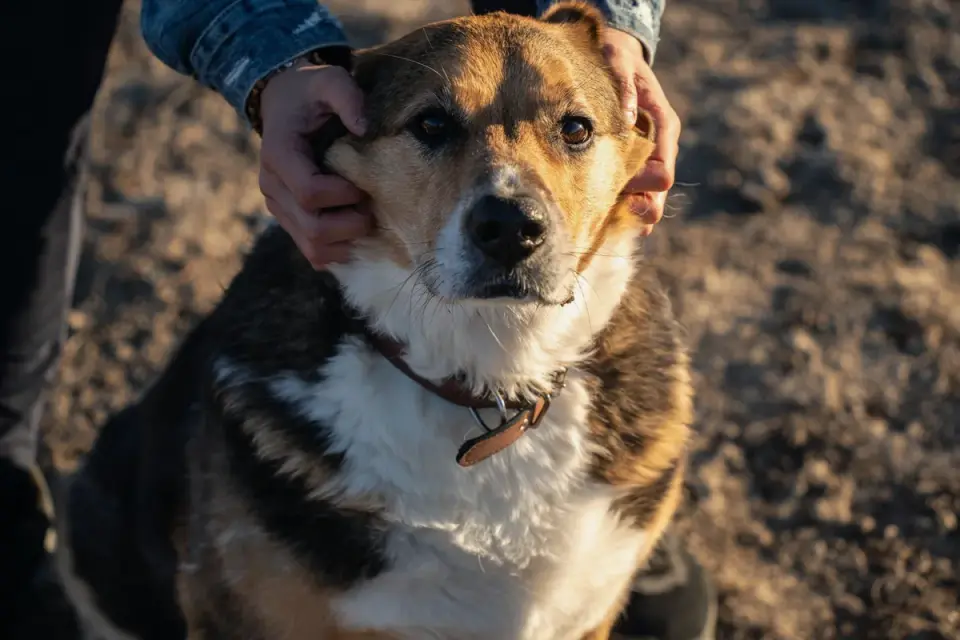
Great Danes, Mastiffs, Newfoundlands, Saint Bernards, Great Pyrenees, and other dogs over 100 pounds grow fast and carry heavy load on relatively soft early cartilage. Hip and elbow dysplasia risk runs higher in these breeds, as American Kennel Club notes in its overview of development and screening.
That load changes the math. A 5-pound gain on a 130-pound dog stresses knees, hips, and toes on every rise, turn, and stair.
Keep growth slow and even. Feed a large- or giant-breed puppy formula to the label, weigh monthly, and keep ribs easily felt under a light fat cover through adolescence.
Daily movement that builds without pounding
Do short, frequent work, not weekend marathons.
Walk 10 to 20 minutes, twice daily, on grass or packed dirt. Add 3 minutes of slow figure-eights and gentle curb-step ups to train hind-limb push. Finish with 2 minutes of sniffing on a loose leash to lower tension through the neck and back.
Avoid forced running, long fetch sprints, and repeated stair reps before growth plates close, usually 14 to 18 months in giant breeds. Ask your veterinarian when free running can expand.
Swimming with a ramp entry is useful once or twice weekly for dogs that like water. Keep sessions under 15 minutes and dry ears after.
Home traction, rest, and weight
Set the house before you buy gear. Lay runners on hardwood, add a non-slip mat under food bowls and at every doorway turn, and use a low, orthopedic bed with room to stretch fully on the side.
Teach a rock-back sit to stand, three to five reps on carpet, every other day. Support the chest with a towel sling on slick exits. Lift into cars with a ramp rated for giant weight rather than letting them jump.
Weigh monthly. Extra weight directly limits mobility, which is why VCA Hospitals explains weight control as a core joint strategy. If you cannot feel ribs, cut treats to 10% of calories, measure meals, and recheck in two weeks.
Small dogs age differently underfoot, as explained in Small vs Large Senior Dogs: How Home Needs Differ, and tight quarters add load in another way, a point covered in Best Dog Breeds for Apartment Living: What Actually Predicts a Good Fit.
Where joint nutrition fits beside movement
Food, movement, and rest do the heavy work. Joint nutrition may help support normal cartilage and connective tissue alongside that base, in structure-and-function terms, never as a fix for dysplasia or arthritis.
Glucosamine and chondroitin are among the most studied joint support ingredients for dogs. Green-lipped mussel contains omega-3 fatty acids and glycosaminoglycans that have been studied for joint support. Use a labeled canine product, keep one change at a time for 4 to 6 weeks, and track rises, walk distance, and stair ease.
Vets often see owners expect a chew to replace traction and weight work. It does not.
When this load-first plan is the wrong call
This advice bends when pain, neurologic signs, or rapid change appear. Toe dragging, sudden hind-limb weakness, crying on rising, or refusing a 5-minute walk is not a training problem.
Stop strength reps. Keep walks flat and brief for bathroom needs only. Call your veterinarian promptly, and use non-slip confinement rather than stairs until you have guidance.
Your owner checklist for this week
- Map two flat 15-minute routes and one non-slip potty path.
- Place runners on the three slickest turns and a mat at the bed exit.
- Weigh your dog and photograph body condition from above.
- Log rises, distance, and lagging for 7 days.
- Review diet, exercise, and any supplement with your veterinarian, especially for fast-growing puppies and seniors with new stiffness. For households weighing space limits too, compare notes in Best Dog Breeds for a Home Without a Yard.
What would change if you treated every pound, step, and floor surface as joint care?
Sources
- Hip Dysplasia in Dogs — American Kennel Club
- Obesity in Dogs — VCA Hospitals