On this page
A puppy’s gut is still learning its own rhythm, so a soft or loose stool now and then isn’t automatically a crisis. It usually means something shifted, a new treat, a gulped bowl of water, a stressful car ride, and the digestive tract is asking for a little help settling back down. A few gentle, food-first steps can often help firm up a puppy’s loose stool naturally within a day or two, and knowing which steps actually do something is more useful than reaching for whatever is in the cabinet.
What “Loose” Actually Tells You
Not all loose stool is the same problem. A single soft stool after a diet change is different from repeated watery stool over several days. The first is a digestive adjustment. The second is your puppy telling you it needs more than a food tweak.
Food-First Steps Before Restriction
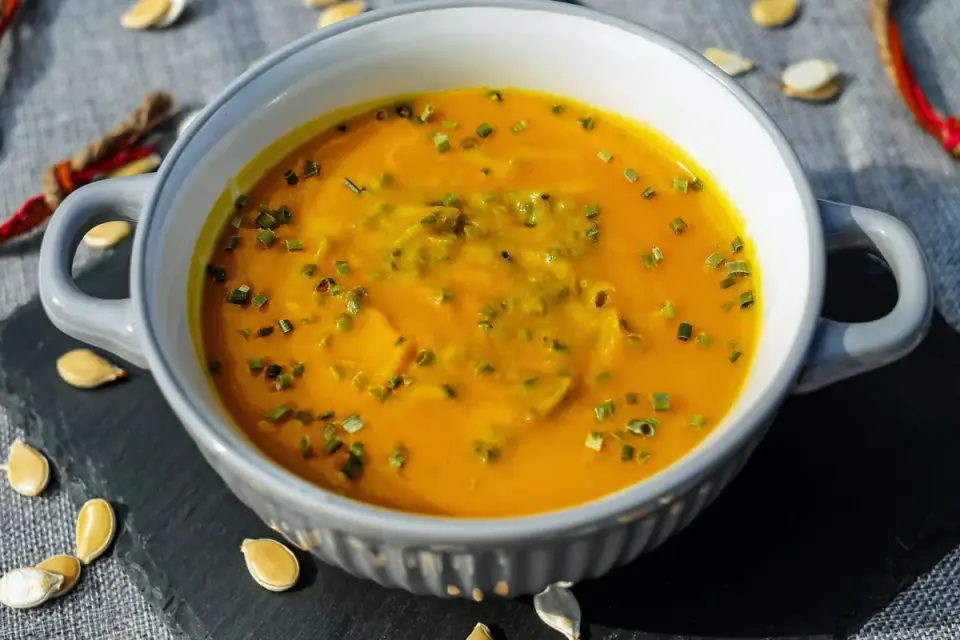
The instinct with any dog is often to withhold food entirely, but for a young, small-bodied puppy that can backfire fast, since puppies have less energy reserve than adult dogs. A better first move is simplifying what’s already in the bowl: smaller, more frequent meals of your puppy’s regular diet, cutting out table scraps and rich treats, and making sure fresh water is always available. Plain, canned pumpkin (never pie filling) is a reasonable next step for mild cases; according to AKC, its soluble fiber adds bulk to stool by absorbing water, though it isn’t a substitute for veterinary care when diarrhea is severe or persistent. Pumpkin fiber is a gentle, natural source of both soluble and insoluble fiber, which is part of why it shows up so often in home digestive-support routines.
Where Probiotics and Digestive Enzymes Fit
A balanced gut microbiome supports overall immune function, which is one reason probiotics get recommended so often for digestive upset. That said, the research is more nuanced than the marketing suggests. In one recent study of dogs with chronic enteropathy, researchers found that diversity metrics did not distinguish non-responders from responders, according to Frontiers in Veterinary Science, meaning probiotics may help maintain digestive comfort for some dogs without being a guaranteed fix for every dog. Digestive enzymes belong to a different, more specific conversation. When loose stool is chronic and tied to poor nutrient absorption, it can point toward exocrine pancreatic insufficiency (EPI), a real diagnosis that a vet manages with pancreatic enzyme replacement therapy, nutritional management, and cobalamin supplementation, per JAVMA. That’s a workup for your veterinarian, not a home project, but it’s worth knowing that persistent loose stool can have a structural cause, not just a dietary one.
Gentle Belly Support Alongside the Food Plan
In my own practice, I think of digestive support the same way I think of mobility support: as manipulation and gentle bodywork layered on top of the fundamentals, not a replacement for them. A relaxed, slow clockwise abdominal rub for a few minutes after a meal, paired with calm handling rather than roughhousing right after eating, may help maintain healthy motility and give a puppy’s system a steadier environment to work with. It won’t override a food sensitivity or an infection, but it fits naturally alongside the other pieces of the plan.
Rest, Hydration, and Keeping Movement Normal
A puppy with loose stool still needs water, rest, and its usual gentle activity; total confinement rarely helps and can add stress on top of an already unsettled gut. Keep walks short and calm rather than cutting them out, watch water intake so dehydration doesn’t creep in, and let sleep happen on its own schedule. The goal is a stable, low-stress routine while the digestive system resets itself.
When Home Care Isn’t Enough
Food-first steps are appropriate for a puppy who is otherwise bright, eating, drinking, and playful. According to Cornell University College of Veterinary Medicine, diarrhea that doesn’t resolve within a day or two, or that shows up with vomiting, blood, lethargy, or a refusal to eat, warrants a veterinary visit rather than another home remedy. Puppies dehydrate faster than adult dogs, so that timeline matters more than it might for a full-grown dog with a similar stool.
Building the Habit Going Forward
Most puppies grow out of the occasional loose stool as their gut matures and their diet stabilizes, and the same food-first habits that help now, consistent meals, adequate fiber, calm handling around mealtimes, tend to keep paying off well into adulthood. Future research is still working out why some dogs’ gut microbiomes stay out of balance even after the underlying cause is treated, which is a good reminder to keep watching your puppy’s stool as a routine health signal rather than something you only think about when it goes wrong.
Frequently asked questions
How long should I wait before calling the vet about a puppy's loose stool?
If your puppy is still eating, drinking, and acting like themselves, most vets are comfortable with 24 to 48 hours of food-first home care. Beyond that window, or sooner if anything else changes, a veterinary exam is the right move.
Is pumpkin actually helpful, or is that just an old wives' tale?
Plain canned pumpkin is a reasonable food-first step for mild, uncomplicated loose stool because of its fiber content, though it isn't a substitute for veterinary care in more serious cases.
Can probiotics fix a puppy's loose stool on their own?
Probiotics can be a useful part of a broader digestive-support plan, but response varies between individual dogs, so they work best alongside food-first steps rather than as a standalone fix.
Sources
- Can Pumpkin Help Dogs With Diarrhea? Benefits, Dosage, & Tips — AKC
- Diarrhea — Cornell University College of Veterinary Medicine
- Exocrine pancreatic insufficiency in dogs and cats — JAVMA
- Probiotic response variability in dogs with chronic enteropathy — Frontiers in Veterinary Science