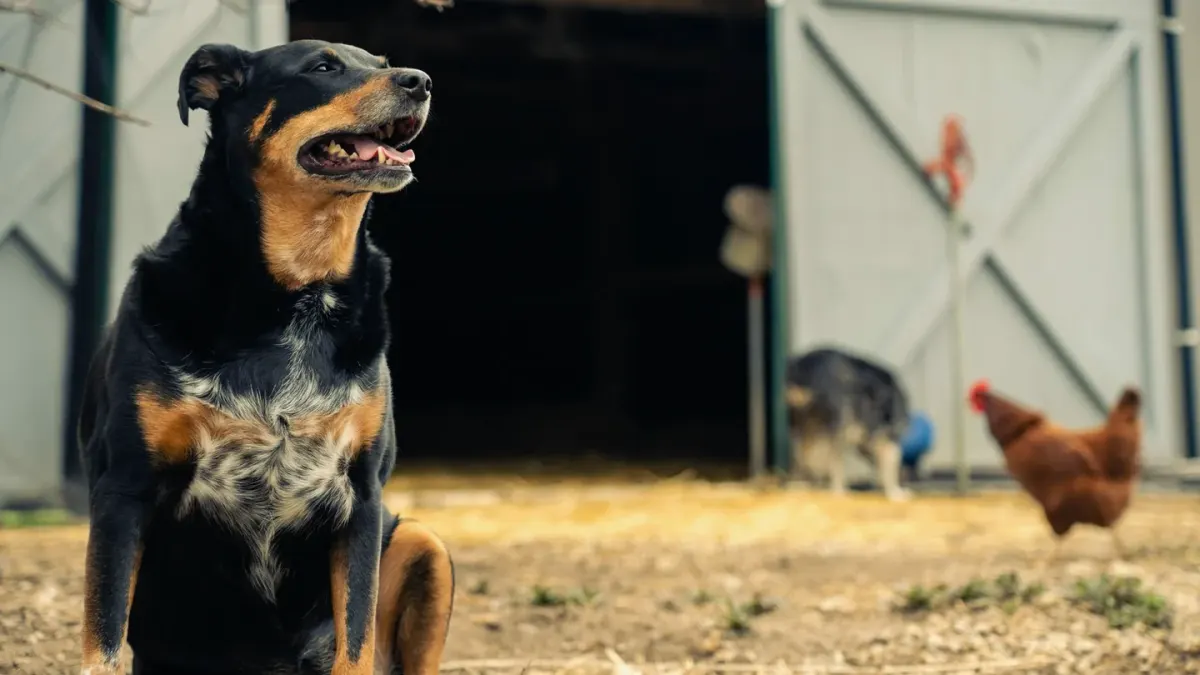
A less active dog can still learn fast when the reward is small enough to repeat twenty times without weighing down the day. I think of treat choice the way I think of neurology cases: look closely first, then support the whole animal with movement, food therapy, and routine.
Quick checklist for a quiet dog
- Keep each treat pea-sized, soft, and under about 3–5 calories
- Keep training treats to 10% or less of daily calories
- Favor lean protein, plain cooked vegetables, and simple single-ingredient options
- Skip onion, grapes, raisins, xylitol, and rich fatty scraps
- Count, pre-portion, and subtract treats from meals
- Pair short sessions with short walks, mat work, and traction at home
An 8-year-old spayed Labrador mix, 34 kg, retired from long hikes after stiff hind limbs slowed her morning routine. Her owner wanted to rebuild a reliable sit and a calm place cue using food rewards without adding weight. We set a daily jar with 22 pea-sized cubes of plain boiled chicken breast, each about the size of a pencil eraser, and asked the owner to stop free-pouring biscuits from the pantry bag. After 14 days the owner reported cleaner sits in three rooms and a belt notch unchanged, with stool still formed and eagerness still high at session 15.
Why less movement changes the treat math
A dog that naps most of the day still needs complete nutrition, just less energy. That is why counting matters more than the brand on the bag.
The U.S. Food and Drug Administration explains that pet food labels list guaranteed analysis and ingredient weight order, which lets you compare fat and fiber across treats rather than trusting front-of-package words like light or healthy. I use that label view the way I use imaging: get structure clear before choosing support.
The Merck Veterinary Manual notes that energy needs vary with life stage, body condition, and activity, and that obesity reflects intake above need over time. For a stiff senior or a post-rest adult, even 40 to 60 extra calories per day can hold weight steady instead of letting it drift down.
From a Traditional Chinese Veterinary Medicine food-therapy view, I still stay anchored to how a food is thought to work. Warming, simply cooked lean proteins and mildly sweet vegetables are thought to support digestion and everyday activity, while greasy, rich foods are thought to weigh that function down. That lens does not replace calories and labels. It helps explain why plain works better than rich.

What I reach for first, and what I set aside
My disputed premise is simple: for a less active dog, treat size and daily counting matter more than finding a perfect superfood treat.
Tiny beats nutritious-but-large. A soft cube the dog can swallow in two seconds keeps focus and protects joints from extra weight. Large crunchy biscuits force long chewing, crumb scatter, and lost momentum.
What I use most:
- Pea-sized boiled chicken breast, turkey breast, or white fish, no skin or seasoning
- Diced plain zucchini, green beans, cucumber, or blueberry halves for dogs that like them
- A single-ingredient freeze-dried meat, broken into crumbs rather than fed whole
- Part of the daily kibble, when the dog finds kibble rewarding enough in a quiet room
What I set aside for these dogs: cheese cubes, hot-dog rounds, bacon bits, peanut-butter squeezes, and soft training chews with glycerin and fat high on the ingredient list. They are not toxic in small amounts, but the calories stack fast and stools often soften.
A 4-year-old neutered French Bulldog, 12.5 kg, learned quickly but gained steadily through winter. The owner ran three 5-minute sessions per day, about 36 rewards total, using store-bought soft squares plus two dental bars. By week six the scale showed 0.7 kg gained and the recall cue actually faded because the dog wandered between reps to chew. We swapped to half-blueberry and shredded chicken pieces the size of rice grains, cut the dental bars to every third night, and kept the same 15 minutes of training. Focus returned, though the owner missed the convenience of the pouch.
That tradeoff is real. Whole fresh foods take prep and spoil faster. Commercial treats travel well. Where packaged treats win is portability and consistency. Where they stop winning for a quiet dog is calorie density and fat. If you use them, choose the smallest size, check calories per piece on the label, and pre-count them into the jar.
Safety still decides the list. Onion can damage red blood cells, and even a few grapes or raisins can injure kidneys in susceptible dogs. If you cook from the fridge, review why onion needs a different plan than other leftovers and why grapes and raisins do not belong in treat rotation. For fruit-curious owners, strawberries can fit as a measured, joint-friendly option when the dog tolerates them and the portion is counted.
Building treats into movement, weight, and home setup
Supplements do not offset extra treats. Movement, meals, and footing do.
Try this low-impact routine three to five days per week:
- Warm up with a 5-minute sniff walk on leash, then 2 minutes of weight shifts on a non-slip mat.
- Train for 3 minutes: name, touch, sit, place. Reward with one pea-sized piece, then reset with a toss two steps away to encourage gentle movement.
- Feed meals from a slow feeder or scatter half the kibble on a rug for foraging.
- Add traction: yoga mat runners on slick halls, a ramp to the couch, raised bowls only if the neck prefers them.
- Weigh monthly and adjust the jar first, not the whole diet.
Owners managing fat intake for pancreatitis-prone dogs need stricter label reading. The same low-fat label habits in low-fat feeding for pancreatitis-prone dogs apply here: compare fat grams per calorie, keep portions measured, and ask your veterinarian about daily calorie targets.
A 10-year-old spayed Beagle, 16.2 kg, with early hind-limb weakness could not handle floor sits on hardwood and lost interest after six repetitions. The usual advice to train longer with higher-value treats would have added calories without solving the slip. We bent it: two 2-minute sessions on a rubber-backed rug, a folded bath mat as a place bed, luring a tuck sit with the nose low, and only 10 rewards per day taken from her measured breakfast. After 21 days she offered place without luring on 8 of 10 tries and still rose without scrambling.
That is the blend I defend. Look closely at structure and calories first, then reach for gentle support — food therapy choices, handling, home setup, and, where your veterinarian advises, modalities like acupuncture. Stay anchored to how each part is thought to work, not what it might cure.
Small treats, counted well, let a quiet dog keep learning without carrying extra weight into the next walk.
Frequently asked questions
How many training treats can a less active dog have per day?
Keep training treats to 10% or less of daily calories, pre-count them into a jar, and reduce meal portions to account for what you used in sessions.
What size should a low-calorie training treat be?
Pea-sized and soft — small enough to swallow in one to two seconds so you can repeat cues without adding bulk or losing focus.
Are vegetables good training treats?
Many dogs work well for plain cooked green beans, zucchini, cucumber, or small fruit pieces. Avoid onion, grapes, raisins, and anything with xylitol, and count everything toward the day.
Sources
- Nutritional Requirements and Related Diseases of Small Animals — Merck Veterinary Manual