
On this page
My disputed premise is this: most healthy dogs can keep walking all winter, if you let wind chill — not the thermometer alone — make the call. Air temperature tells you how cold it is standing still. Wind tells you how fast exposed skin and paws lose heat once you start moving, and that rate of loss is what cuts walks short.
Last January I was talking through winter plans with an owner of a lean, short-coated 6-year-old rescue, about 48 pounds, who lived for his morning loop around a lake path. When the forecast showed 22°F with 18-mph gusts, he assumed a coat would be enough for their usual 1.5 miles. On the path the dog started holding up a front paw at about 0.4 miles, then tucked his tail and turned toward the car without cueing. We reset the plan that week to a 15-minute sheltered neighborhood loop instead of the exposed lake, and the paw-lifting stopped showing up on the check-in notes.
That is why I weigh movement against recovery the same way I weigh food and supplements: what can this walk realistically do for joints and conditioning today, without costing more stiffness tonight?
Read wind chill like a dog walker, not a forecast
The National Weather Service wind-chill chart combines air temperature and wind speed to estimate how cold it feels to exposed skin, and dogs feel that convective loss too, especially on ears, paws, belly, and muzzle. A calm 30°F day can be a normal-walk day for many dogs. That same 30°F with a 20-mph wind behaves closer to 17°F, which is a shorter-walk day.
Use this as a starting frame, then adjust for your dog:
- Above 30°F, low wind: most healthy adults can do normal walks. Watch paws on salted sidewalks.
- 20–30°F with wind chill in the teens: shorten by one-third to one-half. Favor sun and windbreaks. Coats help lean, short-coated, very young, and older dogs.
- Wind chill 10–20°F: potty loop plus 5–10 minutes for many small, senior, or arthritic dogs; 10–20 minutes for hardy, well-coated adults if they stay eager and loose.
- Wind chill below 10°F, especially below 0°F: keep it to quick potty breaks for most pets. The AVMA cold-weather guidance stresses shelter, dry bedding, and limiting exposure during extreme cold, and that applies to walks too.
You know you went too long when you see paw lifting, slowing, shivering, whining, seeking shelter, or a tucked posture that does not resolve after you turn for home.
The walk formula that holds heat
Think sheltered, shorter, and more frequent. Wind does its worst on open water, ridgelines, parking lots, and long straight streets. A loop through houses, fences, and trees can feel 5–10 degrees kinder than an exposed trailhead.
I like this sequence on windy days:
- Warm up inside for 3–5 minutes. March, sit-to-stand, gentle figure-eights in a hallway, then leash up.
- Head into the wind first. You get the cold push while legs are fresh, and the tailwind home when fatigue sets in.
- Keep moving, skip the long stand. Sniff breaks are fine, but long pauses let small muscles cool fast.
- Check paws mid-walk. Ice balls between toes, salt grit, or a sudden head-bob means turn now.
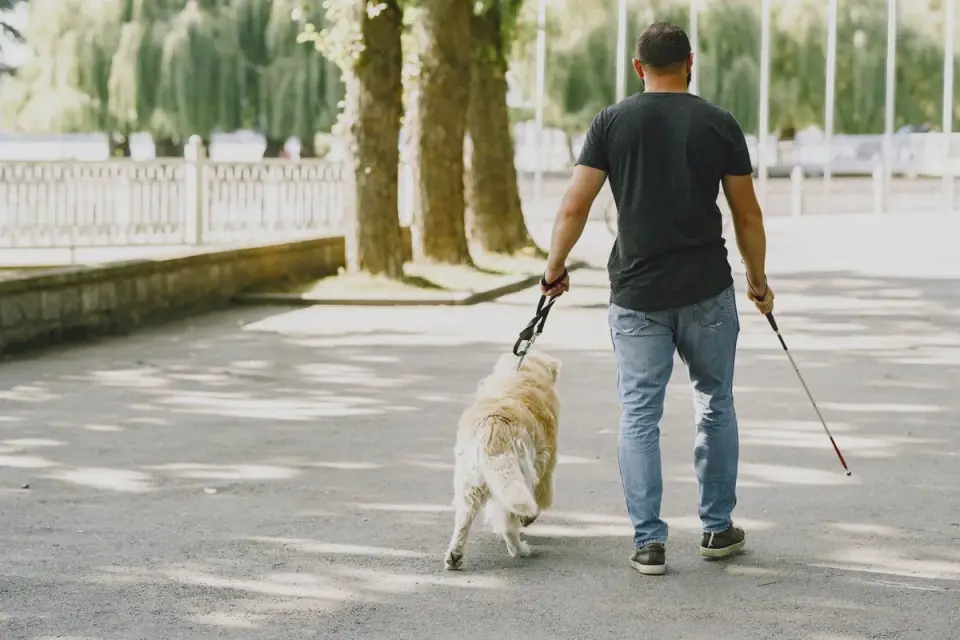
A friend with a sturdy double-coated adult learned the tradeoff the hard way. She figured a thicker coat meant wind did not matter, so she kept three 30-minute walks through an open field after a storm dropped the feels-like temperature into single digits. By the third evening the dog was slow on stairs and licked at cracked pads through two nights. We talked it through and swapped one field walk for two 12-minute block loops plus five minutes of indoor stairs and tug in a hallway. Same weekly movement, far less wind exposure, and the evening stiffness eased over the next week.
That failed approach is common. Coat protects the trunk, not the feet.
Paws, coats, and the small gear that matters
Paws take the hit because they contact frozen ground and de-icing chemicals directly. Rinse paws in lukewarm water after salty walks, pat dry, and trim interdigital fur so ice does not pack. Boots help many dogs once they learn them indoors first; balm helps with dryness but does not replace shortening the walk.
Coats help most for greyhounds, whippets, Boxers, Dobermans, Miniature Pinschers, older dogs with low muscle, and any dog that shivers at the trailhead. Look for belly coverage and a fit that leaves shoulders free. If your dog pants heavily or tries to rub the coat off after 10 minutes, you overdressed for the effort.
Food and joint nutrition sit alongside movement here, not instead of it. Dogs that stay active through winter tend to hold muscle and healthier weight, which spares achy joints. Grounding an integrative claim in the nutritional evidence means being honest: a balanced diet and steady activity do most of the work, while any joint supplement may help support normal mobility as part of that whole picture.
For indoor alternatives on no-go days, see Dog Treadmill vs Outdoor Walking: Which One Actually Serves an Achy Dog Better? and Swimming vs Walking for an Arthritic Dog: Which Actually Helps More?. If you are debating quick potty trips versus full walks, A Puppy Pad or Outdoor Toileting From Day One: What the Trade-Off Really Is lays out the tradeoff.
When the usual advice has to bend
Not every dog fits the chart. Puppies, tiny seniors, and dogs with arthritis, heart disease, or Raynaud-like cold sensitivity need a lower threshold.
One household I advised had an 11-year-old, 14-pound terrier mix with early hind-end stiffness who still loved his evening sniff. At 26°F and gusty, the standard advice would have allowed 15 minutes. He started dragging hind toes at eight minutes and needed help into the car. We bent the rule: potty break outside, then 10 minutes of indoor nose work, carpet recalls, and a ramp walk in the garage where the thermometer read 38°F. He kept his routine and his appetite, and the owners tracked four straight nights without post-walk shivering.
Shorten faster for these dogs. And call your veterinarian if you see persistent lameness after warming up, pale or gray gums, extreme lethargy, uncontrolled shivering, or cracked, bleeding pads.
Your wind-chill owner checklist
- Check feels-like, not just degrees, and pick shelter over distance.
- Cut time before your dog asks you to.
- Go into wind out, wind at back home.
- Coat the lean and the old; protect all paws from salt.
- Swap one long walk for two short loops plus 5 minutes indoors.
- Log what changed: time, route, shiver, paw lift, evening stiffness.
You do not need to earn winter fitness in one heroic walk.
What is the shortest walk your dog still enjoys this week?
Frequently asked questions
What wind chill is too cold to walk a dog?
For most small, senior, or short-coated dogs, keep walks to quick potty breaks when wind chill drops below 10°F. Hardy adults can often handle brief 10-20 minute sheltered walks until it nears 0°F, but paw lifting, shivering, or slowing means head inside.
Does a dog coat protect against wind chill?
A coat helps the trunk stay warm, especially for lean and short-coated breeds, but it does not protect paws, ears, or muzzle from wind. Shorten the walk and choose windbreaks even with a coat.
Should I walk my arthritic dog in cold wind?
Short, sheltered walks plus an indoor warm-up usually serve stiff dogs better than one long windy walk. Keep the dog moving, avoid icy footing, and swap remaining time to indoor sniff work or treadmill steps.
Sources
- Wind Chill Chart — National Weather Service
- Cold Weather Animal Safety — AVMA