On this page
Every summer I get some version of the same call. An owner in Phoenix or Houston wants to know which breed can “handle the heat” so they don’t have to worry as much. I understand the instinct, but the premise undersells the problem. Skull shape, coat type, body weight, and fitness level all move the needle more than a breed name on a pedigree does — and dogs of the same breed can land in very different risk categories depending on those factors.
Test the premise: does breed actually predict heat tolerance?
Breed is a real signal, but it is not the whole story. A Scientific Reports study of UK dogs under primary veterinary care found that breed, body weight, and age all contributed independently to heat-related illness risk, with breeds like Chow Chows, Bulldogs, and French Bulldogs showing elevated odds even after accounting for weight. But the same analysis flagged something owners often miss: higher bodyweight relative to a dog’s own breed-and-sex average was itself a significant risk factor. In plain terms, an overweight Labrador is working against a bigger handicap than a lean one, breed label aside.
A more recent review in Veterinary Evidence looked specifically at brachycephalic breeds and heatstroke, and the findings were more nuanced than the popular narrative. Skull shape did increase the odds of exertional, environmental, and vehicular heat-related illness, and that effect was more significant than breed classification on its own. Age and body weight influenced risk too, and body condition score had a greater influence on response to heat stress than breed did. So a fit, appropriately weighted Bulldog is not automatically doomed, and a lean, athletic build in a heat-tolerant-looking breed does not automatically confer safety if that dog is overweight or unfit.
What actually predicts a good fit for a hot climate
If I’m counseling a client moving to Texas or Arizona, I walk through four things, in this order, before we ever talk about breed.
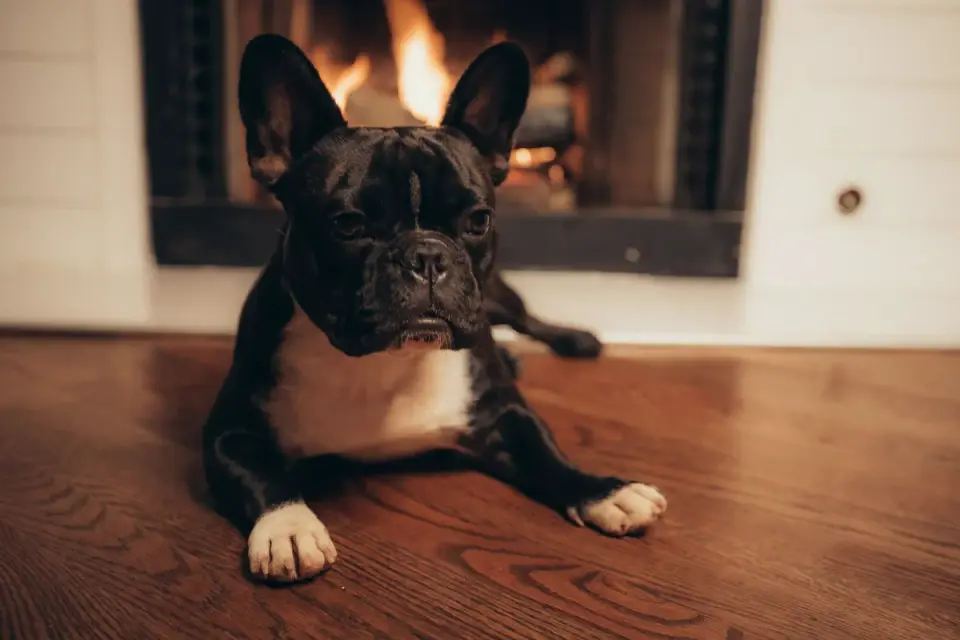
Muzzle length and airway anatomy. Dogs cool primarily through panting, moving air across the tongue and nasal passages to dissipate heat. A longer muzzle generally supports more efficient airflow than a short, compressed one. This is the mechanical reason brachycephalic breeds — Bulldogs, French Bulldogs, Pugs, Boston Terriers — show up disproportionately in heatstroke cases in the studies above.
Coat structure, not coat length. A single-layer coat sheds heat more efficiently than a dense double coat, regardless of how long the hair looks. This is why a Siberian Husky or a Saint Bernard, both bred for cold climates with heavy double coats that trap insulating air, tend to struggle more in sustained heat than a similarly sized dog with a single, short coat. Shaving a double-coated dog is not the fix — the undercoat is also part of their sun protection, and clipping it can do more harm than good.
Body weight and body condition. Larger dogs have less surface area relative to their mass, which slows heat dissipation, and excess body fat adds insulation while increasing the workload of the heart and lungs. This is squarely within the vet’s control at every visit: a body condition check costs nothing and matters more in July than almost any other single variable.
Fitness and acclimation. A dog that has been sedentary all spring and then gets a hard midday hike in August is at real risk regardless of breed. Heat tolerance builds gradually over 10 to 14 days of graded exposure, the same way it does in people.
Breeds that tend to do well, and why
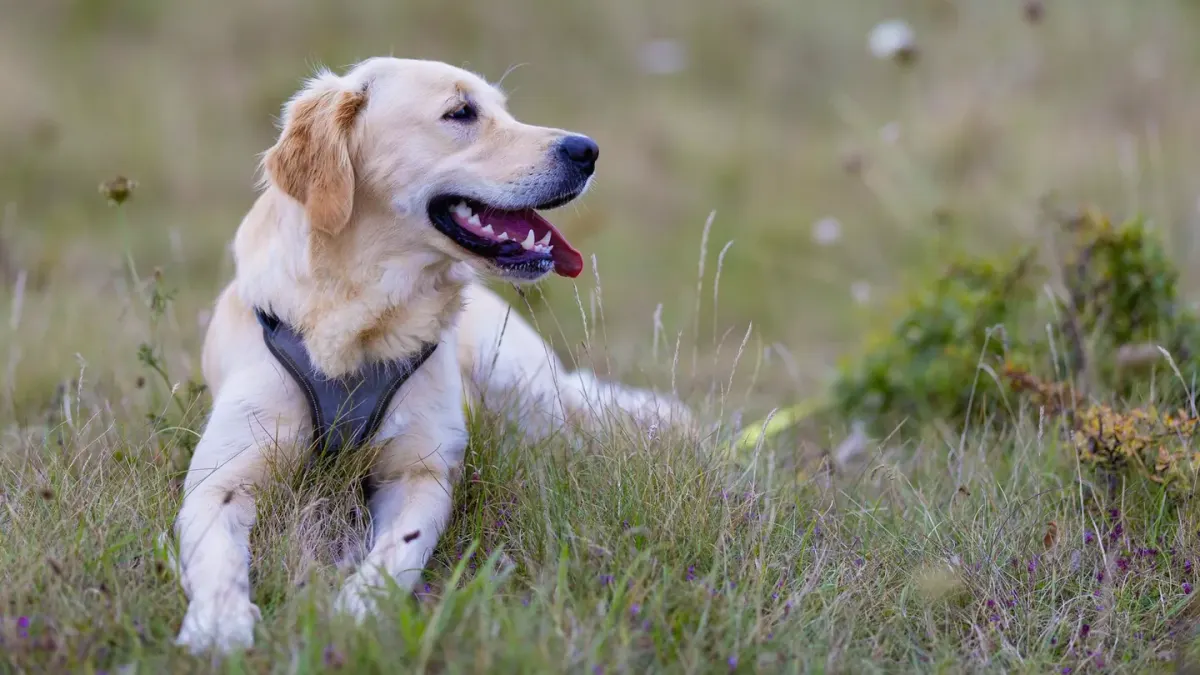
With those variables in mind, some patterns are genuinely useful. Sighthounds like Greyhounds and Vizslas have short, single coats and lean, low-bulk builds that dissipate heat efficiently, though their thin coats also mean less sun protection, so shade access still matters. Chihuahuas and other small, short-coated breeds have a favorable surface-area-to-mass ratio. Terriers with wiry, single coats, like the Rat Terrier, generally tolerate warm weather better than thick-coated cousins. None of this means a Husky or a Bulldog cannot live in Phoenix — it means those dogs need a materially different management plan: air conditioning as a baseline, exercise confined to early morning or after dark, and a lower threshold for calling it quits on a walk.
A case that changed how I counsel families
I worked with a five-year-old English Bulldog, about 55 pounds, whose family had just relocated from Oregon to central Texas. He’d always been a little heavy, and back home that hadn’t caused visible problems beyond some snoring. Within his first June there, his owner noticed he wouldn’t finish the short evening walk they’d always done, that he was lying flat on the tile with his tongue fully out for twenty minutes after coming in from the yard, and that his gums looked brighter red than usual. Nothing about him had changed except the climate and, honestly, a slow year-over-year weight gain that nobody had flagged as urgent. We put him on a real weight-loss plan, moved all outdoor time to before 8am, and set a hard rule: no unsupervised yard time past 85 degrees. Within about three months his exercise tolerance was noticeably better, and the panting recovery time after activity dropped. Nothing about his breed or his airway changed. What changed was every modifiable variable underneath it.
Setting any dog up to succeed in heat, breed aside
Regardless of what breed you’re working with, the Cornell University College of Veterinary Medicine describes heatstroke as a true medical emergency, and prevention is far easier than treatment. A few habits apply across every breed and build:
- Exercise in the cooler hours — early morning or after sunset — and shorten sessions as the heat index rises, not just the air temperature.
- Provide constant access to shade and fresh water, and check pavement temperature with your hand before a walk; if it’s too hot for you, it’s too hot for paws.
- Keep an eye on body condition year-round. A dog carrying extra weight into summer is starting the season at a disadvantage regardless of breed.
- Watch for early warning signs — heavy panting that doesn’t settle, bright red gums, wobbliness, or reluctance to keep moving — and treat any of those as a reason to stop and cool the dog down immediately, not push through.
- For dogs whose coat, weight, and joints already put more load on a hot-weather walk, keeping activity low-impact and well-paced supports overall mobility and recovery, alongside — never instead of — proper cooling and hydration.
If you’re weighing coat and grooming needs against climate more broadly, our guide to Do Goldendoodles Really Not Shed? What the Coat Genetics Actually Say covers how coat genetics affect heat retention in doodle-type breeds specifically. And if space and activity level are also part of your decision, see our pieces on Best Dog Breeds for Apartment Living and Best Low-Maintenance Dog Breeds for Busy People, which both intersect with exercise tolerance in warm conditions.
Where I land
I don’t tell clients to pick a breed based on a “best for hot weather” list and stop there. I tell them to pick the dog whose temperament and size fit their life, then build a climate management plan around that dog’s specific muzzle length, coat, and body condition. A well-managed Bulldog in Texas can do fine. A poorly managed Vizsla can still end up in my exam room with heat exhaustion. The breed name is a starting point for the conversation, not the conclusion of it — so before you finalize a choice, are you also ready to build the routine that particular dog will need every summer for the next decade?
Owner checklist before you choose
- Muzzle length: longer muzzles generally pant more efficiently than short, flat ones.
- Coat type: single-layer coats shed heat better than dense double coats.
- Current body condition: extra weight compounds heat risk regardless of breed.
- Fitness level: build heat tolerance gradually over 10–14 days, not all at once.
- Home setup: reliable air conditioning or cooled indoor space is close to non-negotiable for brachycephalic and heavy-coated breeds in hot climates.
- Exercise timing: plan around early morning or evening, and have a clear stop-signal for signs of overheating.
Frequently asked questions
Can a Husky or other double-coated breed live safely in a hot climate?
It's possible with real management — reliable air conditioning, exercise limited to cooler hours, and never shaving the double coat, which also provides sun protection. It requires more active management than a naturally heat-tolerant breed.
Is it true that shaving a dog helps them stay cool?
Not for double-coated breeds. The undercoat traps some heat but also insulates against sun exposure and helps regulate temperature; shaving it can increase sunburn risk without meaningfully improving cooling.
What are the first signs of heat stress in dogs?
Heavy panting that doesn't settle with rest, bright red or dark gums, wobbliness, excessive drooling, and reluctance to keep moving. Any of these should prompt immediate cooling and, if signs persist, a call to your vet.
Sources
- Incidence and risk factors for heat-related illness (heatstroke) in UK dogs under primary veterinary care in 2016 — Scientific Reports
- Heatstroke and brachycephalic dogs – is there an increased risk? — Veterinary Evidence
- Heatstroke: A medical emergency — Cornell University College of Veterinary Medicine