
On this page
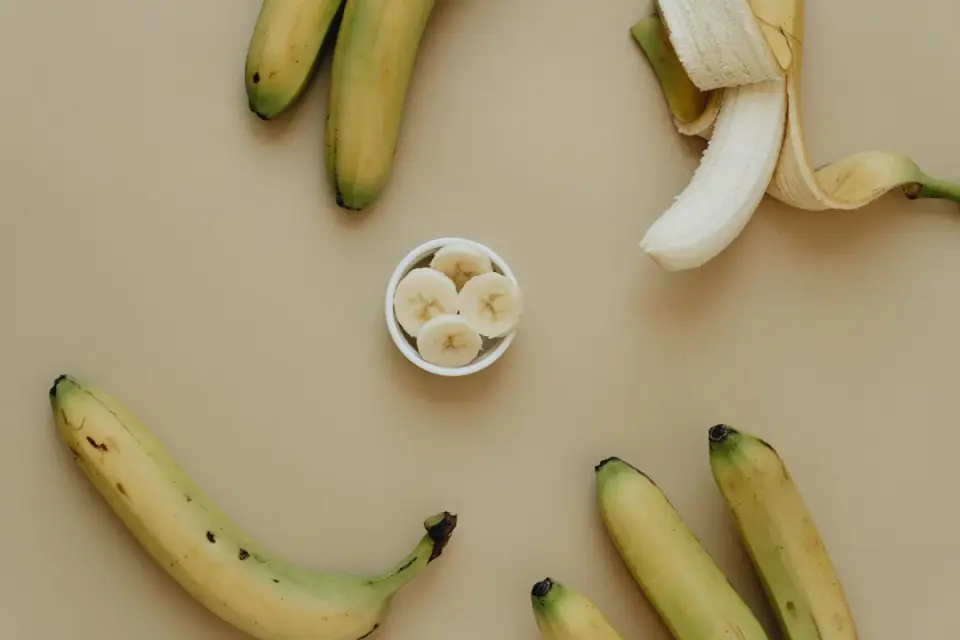
Bananas get treated as either a harmless training treat or a sugar bomb in disguise, and neither label survives close reading of what’s actually in the fruit. A medium banana carries roughly 450 milligrams of potassium, about 3 grams of fiber, and close to 15 grams of natural sugar, according to USDA-derived nutrition data compiled by MyFoodData. Those three numbers, sitting next to each other, are the whole argument. One of them is genuinely useful. One is neutral. One is the reason this fruit needs a portion limit instead of a blank check.
The Disputed Premise
Owners tend to file banana into one of two bins: a natural, wholesome snack, or empty calories a dog doesn’t need. I’d push back on both. A banana is not a superfood for a dog, and it is not junk food either. It’s a moderately useful fruit with a sugar profile that matters more than most owners assume, and the right call depends entirely on the dog in front of you.
A reader once described handing her Beagle a whole banana on a Sunday morning walk, one slow bite at a time, as a reward for staying close on-leash past the dog park. It worked as training currency. Her Beagle finished the fruit in under ten minutes, tail going, no obvious upset that day. But a whole banana is roughly 110 calories and 15 grams of sugar delivered in one sitting to a 25-pound dog, which is a meaningfully different math problem than the same fruit fed to a 70-pound Labrador. The training worked. The portion was still too big, and it’s the kind of gap between it worked out fine and it was the right amount that shows up in a dog’s weight chart months later, not the same afternoon.
What the Fruit Actually Delivers
According to the American Kennel Club, bananas are high in potassium, vitamins, biotin, fiber, and copper, and low in cholesterol and sodium, which is a genuinely favorable label for an occasional treat. Potassium supports normal muscle and cardiac function, and the fiber content can lend a hand with regularity. None of that is dramatic. It is, however, real, and it’s the reason banana isn’t fairly grouped with something like a plain cookie.
The sugar is the part that gets skipped in casual conversation. PetMD notes that too much banana can contribute to weight gain and digestive upset specifically because of that sugar load, and that treats of any kind should stay under roughly 10% of a dog’s daily calories. A whole banana blows past that ceiling for most dogs. A few slices generally does not.
Who Should Actually Skip It
This is where I get less neutral. Dogs managing diabetes, obesity, or a history of pancreatitis are poor candidates for banana as a regular treat, full stop. The sugar content works against glycemic control in the first case and against calorie management in the second, and there’s no version of a little bit won’t hurt that changes that math meaningfully over weeks of feeding. Dogs with kidney disease need a different conversation entirely, since potassium restriction is sometimes part of that management plan, and a vet should weigh in before banana becomes a habit.
The peel is a separate risk, and a more mechanical one. It isn’t toxic. It’s fibrous and tough, and a piece large enough to swallow can sit poorly in a small dog’s gut or contribute to an obstruction, which is a surgical problem, not a dietary one. Feed the fruit. Skip the peel, every time, no exceptions for a food-motivated dog who’s already interested in the whole thing.
Where a Fruit Fits Next to a Supplement
I see a version of this same question with fish oil, with joint chews, with probiotics: owners want one addition that covers a lot of ground. It rarely does. Weigh what a supplement, or a fruit, can realistically do for a dog’s diet, mobility, and recovery, and banana lands squarely in the diet column. It isn’t a joint supplement and it isn’t a substitute for the fiber and probiotic strategies some dogs need for chronic digestive sensitivity. Response to probiotics itself varies dog to dog; one Frontiers in Veterinary Science study on gut microbiome response found that diversity metrics did not distinguish responders from non-responders, a useful reminder that no single food or supplement performs identically across dogs. For dogs with a diagnosed digestive disease like exocrine pancreatic insufficiency, management runs through enzyme replacement and a tailored diet, not fruit; JAVMA notes that condition is treated with pancreatic enzyme replacement therapy, a low-residue diet, and cobalamin supplementation. Banana has no role in that plan. It has a small, defensible role in an otherwise healthy dog’s week.
If your dog’s stools have been loose rather than firm, banana’s fiber can be part of the fix, alongside the steps in our guide to firming up a puppy’s loose stool naturally. If you’re weighing which fruits and vegetables are worth the trouble at all, our sweet potato guide covers a starchier alternative with a different nutrient profile. And if you’re already stacking supplements on top of treats, it’s worth reading what to check before committing to fish oil long term before adding more to the bowl.
The Checklist
Peel it, slice it, and keep the portion to a few pieces rather than the whole fruit. Skip banana for dogs managing diabetes, obesity, pancreatitis, or kidney disease unless your vet has specifically cleared it. Watch the peel, especially with small dogs and puppies. And keep expectations proportionate: banana is a decent occasional treat with real potassium and fiber, not a mobility supplement and not a reason to skip the fiber or joint-support conversation your dog might actually need.
Frequently asked questions
How much banana can a dog eat?
A few small slices a couple of times a week is a sane ceiling for a medium-sized healthy dog. Treats overall, including fruit, should stay under about 10% of daily calories, so a whole banana is too much for most dogs in one sitting.
Is banana peel dangerous for dogs?
It isn't toxic, but its tough, fibrous texture resists digestion and can contribute to a blockage, particularly in small breeds and puppies. Feed the peeled fruit only.
Can diabetic dogs have banana?
Generally no, or only under direct veterinary guidance. The natural sugar content can complicate blood glucose control, so this is a fruit to skip for diabetic and significantly overweight dogs.
Are bananas good for a dog's joints or mobility?
Not directly. Banana's contribution is potassium and fiber, not joint-specific nutrients, so it plays a supporting role in the diet rather than a mobility one.
Sources
- Can Dogs Eat Bananas? Can Dogs Have Bananas? — American Kennel Club
- Can Dogs Eat Bananas? Benefits and Risks — PetMD
- Nutrition Facts for Bananas — MyFoodData
- Exocrine pancreatic insufficiency in dogs: management review — JAVMA
- Probiotic response variability in dogs — Frontiers in Veterinary Science