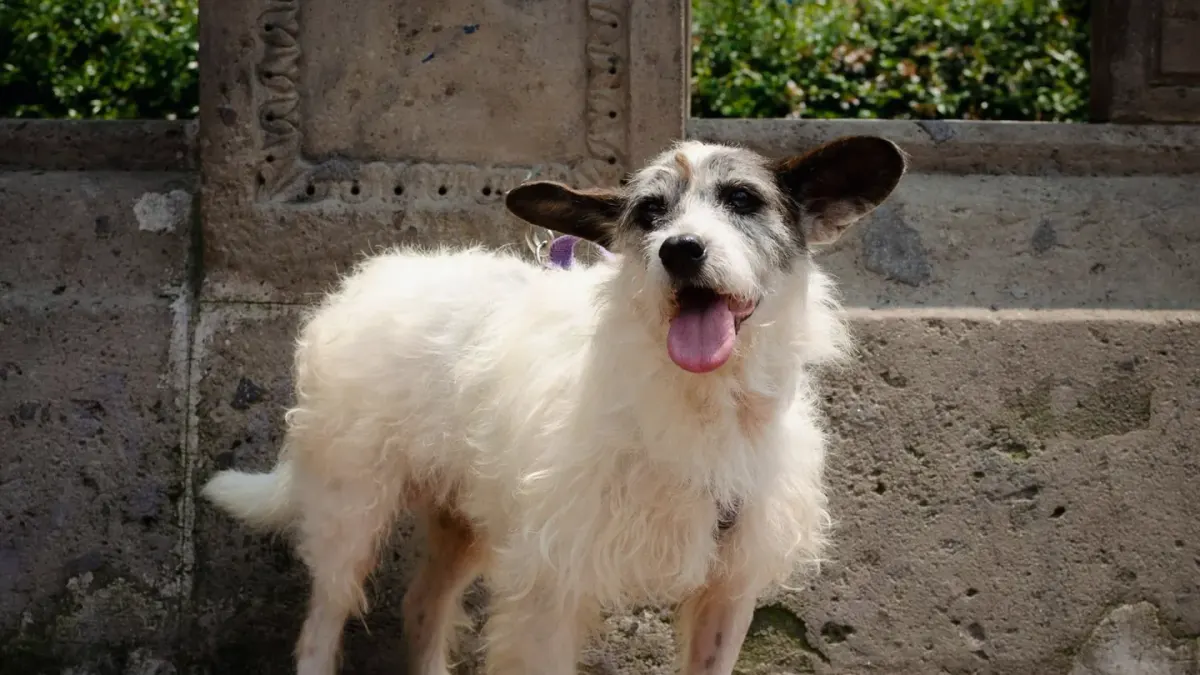
A 12-year-old Labrador retriever still brings his owner a tennis ball every evening at 6 p.m., tail thumping the couch, then pays for it at 6 a.m. with a slow, stiff rise, three false starts on the kitchen tile, and a refusal of the stairs he climbed at age five. The owner worries stopping fetch means stealing his joy, so she throws just a few more. My premise is this: play does not wear out an older dog when you treat it as controlled load that drives healing, not as exercise to tire him out. That shift changes every choice that follows.
Short, frequent movement protects joints better than one big weekend effort. Cartilage has no direct blood supply and relies on cyclic, low-force compression to circulate synovial fluid, while sudden sprint-stop-cut loading spikes shear across elbows, hips, and cranial cruciate ligaments. Merck Veterinary Manual describes osteoarthritis in small animals as a progressive loss of that cushioning and remodeling system, which is why repetitive impact produces next-day lameness even when the dog looks happy in the moment. VCA Hospitals frames the same problem for owners as stiffness, reluctance to play, and lagging behind on walks that improve once the dog warms up.
Play Is Still Load, So Dose It Like Rehab
Think fixation and healing: after any joint surgery I prescribe many small bouts of weight-bearing, not bed rest and not a single long hike. The same applies to the aging athlete at home. Aim for two to three 10- to 15-minute sessions on forgiving ground — grass, carpet runners, packed trail — with a 5-minute warm-up walk first and a cool-down sniff walk after.
A couple with a 7-year-old Border Collie learned this the hard way after trading daily walks for a single Sunday marathon of 40 minutes of hill fetch plus wrestling with a younger housemate. She flew on Sunday, then spent Monday through Wednesday lying out of her crate, panting on the second flight of 14 stairs and needing a lift into the car on Tuesday morning. When they replaced that blast with three 12-minute weekday games of find-it, slow uphill strolls, and hallway nosework, her Tuesday car jump returned within 10 days and the evening pacing dropped from four restless nights a week to one. The failure was not enthusiasm; it was dose concentration.
Stiffness the next morning is the scorecard.
Watch the 24-hour window: slow to rise, short-striding for the first 20 steps, sitting out a game he usually joins, or licking one carpus or stifle. If you see two or more, you overloaded. Cut duration by one-third, move to softer footing, and keep the next day to leash sniffing only. For ideas on low-arousal mental work on rest days, see How to Keep a Dog Entertained While You’re at Work.
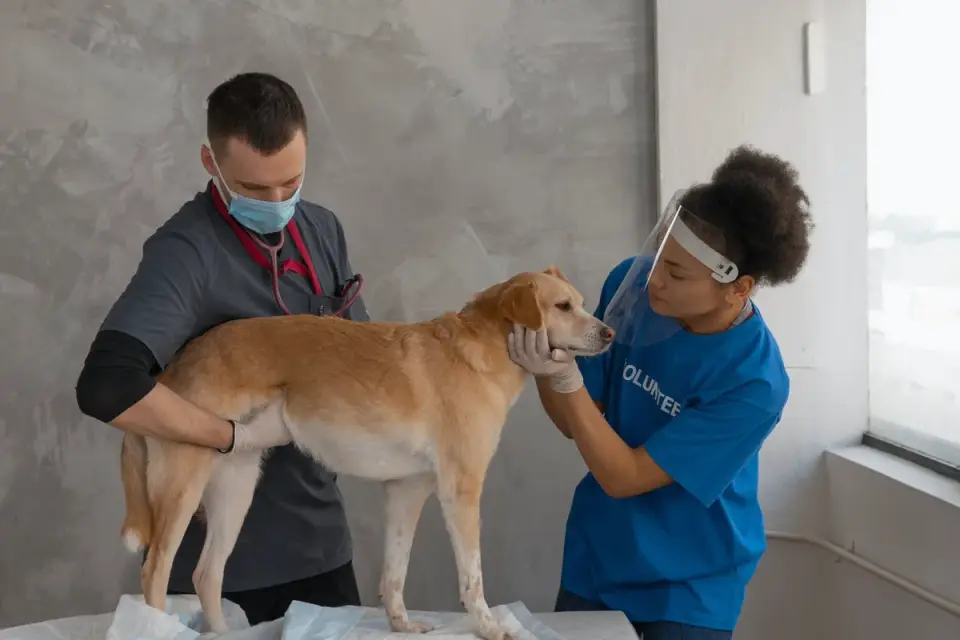
Trade Fetch and Wrestling for Scent, Tug-Light, and Water
Stop defending the games that demand hard deceleration. Full-height fetch, tug-of-war with shaking, dog-park chase, and stairs relay all load healing tissue past its limit. Replace them with games that keep all four feet low and the neck level.
Try this rotation: scatter feeding across 30 feet of lawn for 8 minutes, gentle two-inch tug with a long fleece where you let him win and lie down to chew, 5 minutes of supported wading or slow leash walking in shallow water if your vet clears it, and training games like hand touches and mat settles that end in massage. Keep weight lean, nails short, and rugs secured so he does not splay to push off. Where owners ask about joint nutrition, glucosamine and chondroitin are among the most discussed supportive options alongside movement and weight control, not instead of them — for help reading those claims, see Dog Hip and Joint Supplements: What Actually Helps and What’s Just Marketing.
A 19-pound Dachshund mix shows where the textbook has to bend. Standard advice says more daily walking, but at 11 years old with a long back and short stairs into a third-floor apartment, even two 0.6-mile sidewalk loops left him trembling at the top landing and skipping breakfast the next morning. His owner switched to four 6-minute indoor circuits on yoga mats — three snuffle-box finds, two curb-height step-ups onto a firm ottoman, then rest — plus a carried descent of the final 12 stairs. Within three weeks he was initiating evening play again for the first time in two months, holding a 9-minute game without sitting out. Same principle, smaller lever arm.
My Checklist for the Next Two Weeks
Track recovery, not performance. For 14 days, log session length, surface, and next-morning rise time in seconds. Keep total active play under 30 minutes per day at first. Add traction, add a ramp to the couch and car, raise bowls so the neck stays neutral, and schedule a vet recheck if lameness lasts more than 48 hours, if night restlessness rises, or if he suddenly guards handling.
What would change my mind? If a dog shows zero next-day stiffness, maintains muscle over the thighs and shoulders, and recovers resting breathing within 10 minutes, I will allow slightly longer off-leash exploration on soft ground. For most seniors, though, I still land here: cut impact first, then rebuild consistent low load. Healing follows the load you allow.
Will you let his good mornings, not his excited evenings, set tomorrow’s game?
Frequently asked questions
How long should a play session last for a senior dog?
Start with 10 to 15 minutes, 2 to 3 times daily on soft footing with a warm-up walk, then adjust based on how stiff he is the next morning.
What are signs play was too rough for an older dog?
Slow rising, short steps for the first 20 paces, skipping stairs or car jumps, panting long after stopping, or licking a joint within 24 hours.
Sources
- Arthritis in Dogs — VCA Hospitals