On this page
Low maintenance dogs still need daily movement to protect joints, muscle, and healthy aging. The disputed premise is straightforward: a calm temperament does not mean low musculoskeletal needs.
Cartilage has no direct blood supply. It relies on cyclic loading and unloading to move synovial fluid, deliver nutrients, and clear metabolic waste. Ligaments, tendons, and periarticular muscle adapt the same way — through regular, moderate strain followed by recovery. Without that signal, muscle mass declines, joint stiffness rises, and body weight tends to creep upward, which further increases load on elbows, hips, stifles, and intervertebral discs.
That physiology explains why even breeds marketed as couch-friendly — Basset Hounds, Bulldogs, Shih Tzus, Pugs, older rescues of any mix — show the same age-related loss of lean mass and mobility when they are under-exercised. A dog that looks content to sleep all day is often deconditioned, not maintenance-free.
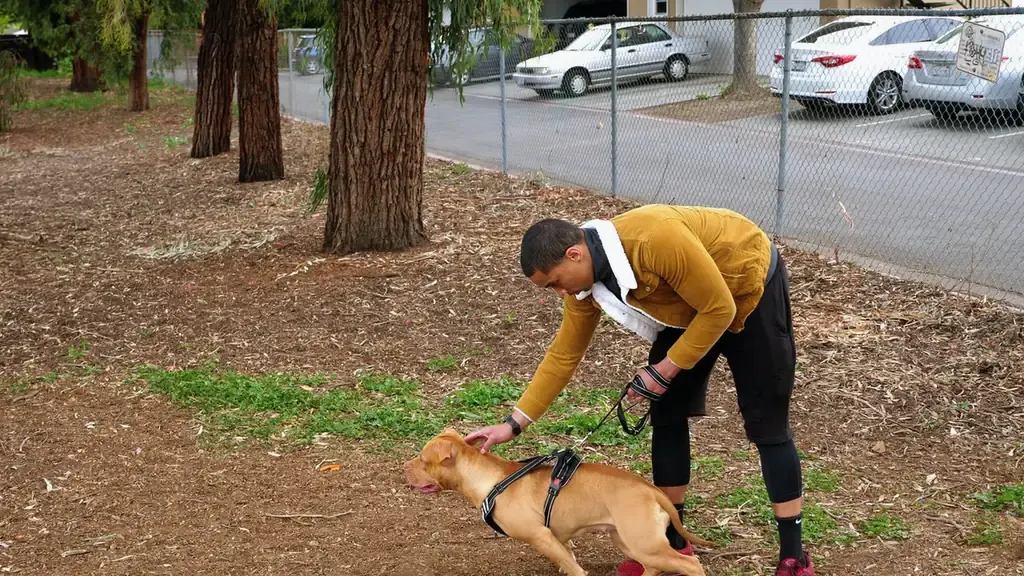
In Albany, New York, Brandon lives with Woodstock, a 6-year-old neutered male Basset Hound mix. Woodstock began hesitating on the three front steps after winter, and Brandon weighed whether to cut walks to rest the joints. Vets often see this fork in the road, and in Woodstock’s case the useful pivot was shorter walks twice daily plus a 10-minute sniff walk, rather than one long weekend outing.
The routine that serves most calm adult dogs is little-and-often. Aim for two to three leash walks per day totaling 30–60 minutes, adjusted for age, body condition, heat, and orthopedic history. One walk can be functional, the other exploratory. Keep pace conversational, allow sniff breaks, and use a harness that leaves the shoulders free.
For dogs that tire quickly, pant heavily, or lag behind, split the total into 10–15 minute blocks. For brachycephalic breeds and seniors in summer, walk in the cool hour and watch respiratory effort more than distance. Guidance on breed-specific pacing, such as for Boxer Care and Exercise Needs: A Vet’s Real-World Guide, shows how conditioning must bend to anatomy rather than willpower.
Weight control does more for joints than any single exercise tweak. The classic lifespan study in Labradors published in the Journal of the American Veterinary Medical Association found that maintaining lean body condition delayed the onset and signs of osteoarthritis. Food therapy, measured portions, and regular body-condition scoring therefore belong alongside movement in a mobility plan.
Where do joint supplements fit next to movement? Weigh what a supplement can realistically do for diet, mobility, and recovery.
Glucosamine and chondroitin are among the most studied joint support ingredients for dogs. They may help support cartilage matrix and normal joint function as part of a broader plan, but they do not replace loading, muscle maintenance, or weight control. The National Institutes of Health Office of Dietary Supplements summarizes the human glucosamine and chondroitin literature as mixed and modest, which is a useful frame for expectations in dogs: nutritional support is adjunct, not driver.
What would change that view is consistent, randomized, long-term canine data showing that a specific ingredient preserves gait, muscle, or radiographic joint structure independent of exercise and weight. The current evidence does not show that, which is why movement stays first.
A practical home setup lowers the daily friction. Use rugs or runners on slick floors, add a ramp for the car or couch, keep nails short, and place food and water where the dog does not have to negotiate stairs. Two short strength sessions per week — three repetitions each of sit-to-stand, weight-shifting while standing, and walking over two or three low cavaletti poles — help preserve hind-limb muscle.
A common question is whether free play can replace walks. Off-leash sniffing and choice-based movement are valuable, but uneven sprinting is harder to dose. A comparison of Off-Leash Play vs On-Leash Walks for Exercise: What Actually Serves a Dog’s Joints and options for Swimming vs Walking for an Arthritic Dog: Which Actually Helps More? can help owners match format to the dog in front of them.
Steady beats heroic.
Why Calm Still Means Conditioning
Low-energy behavior reflects temperament and selection, not joint immunity. Without regular loading, synovial circulation falls, periarticular muscle atrophies, and proprioception dulls. The result is a dog that looks low maintenance until stairs, slippery floors, or a long car ride expose the deficit.
A Low-Impact Daily Minimum That Works
Start with two 15-minute walks, one morning and one evening. Add a midday 5–10 minute sniff break when possible. Finish twice weekly with gentle sit-to-stands and 20–30 meters of slow, straight-line walking. Increase total time by about 10% per week if recovery is clean — no next-day stiffness, no reluctance to rise, no panting that persists after rest.
Where Food, Weight, and Supplements Fit
Keep ribs easily felt under light cover and a visible waist from above. Ground an integrative claim in the nutritional evidence: omega-3 fatty acids and glycosaminoglycans from sources such as green-lipped mussel have been studied for joint support, and they may help support normal inflammatory balance and joint comfort within a complete diet. Effects are supportive and gradual.
Your Owner Checklist for the Next 2 Weeks
Track total walk minutes, morning stiffness, stair willingness, and body-condition score. If limping lasts more than 24–48 hours, swelling appears, or exercise tolerance drops sharply, pause progression and seek veterinary assessment. For related breed context, see Best Low-Maintenance Dog Breeds for Busy People.
Sources
- Effects of diet restriction on life span and age-related changes in dogs — Journal of the American Veterinary Medical Association