
On this page
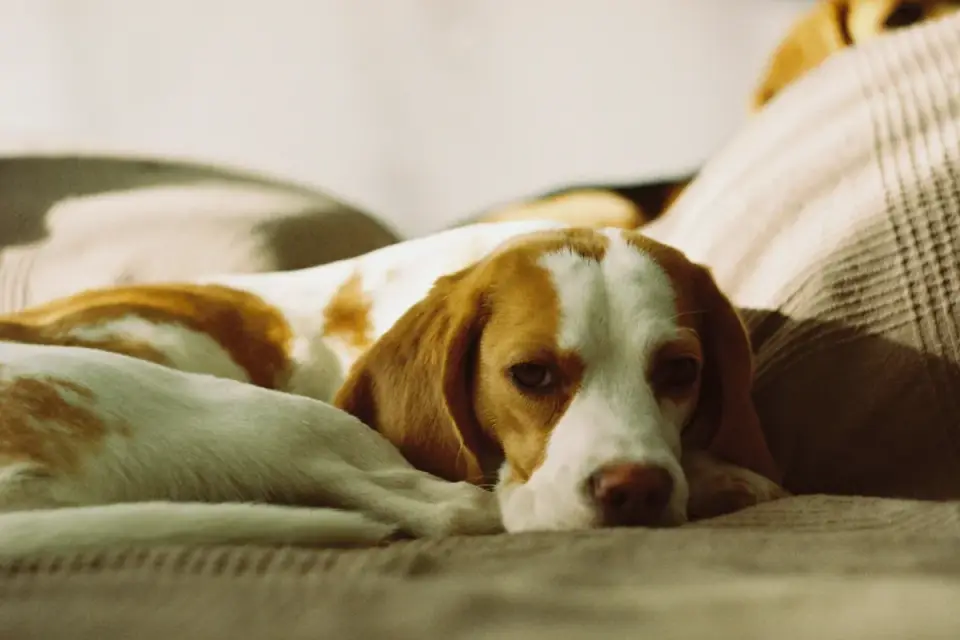
A client once brought in a nine-month-old Basset Hound named Gus because he’d started chewing the doorframe every time she left for work. She’d read that Bassets were “low-energy and independent,” practically the poster breed for being left alone, so the chewing baffled her. When we walked through his day, the problem wasn’t the breed at all. Gus was getting a five-minute yard break in the morning, then eight hours alone with nothing to do until she got home exhausted and skipped the evening walk too. He wasn’t anxious about being alone in the abstract; he was under-exercised, bored, and had never practiced short absences before being handed a full workday.
The premise: does “independent breed” actually predict who copes
Owners ask me, almost verbatim, which breed can “handle” being left alone, as if temperament alone solves the logistics of an eight- or nine-hour workday. Breed tendencies are real and worth knowing. But in my experience, the breed label predicts maybe a third of the outcome. The rest comes down to exercise adequacy, how gradually the dog was conditioned to solitude, and whether the home setup gives the dog something to do besides watch the door.
That said, tendencies aren’t nothing. Some breeds were developed for jobs that reward working at a distance from people, and that history shows up in how comfortable they tend to be without constant supervision.
Breeds that tend to do better, and why
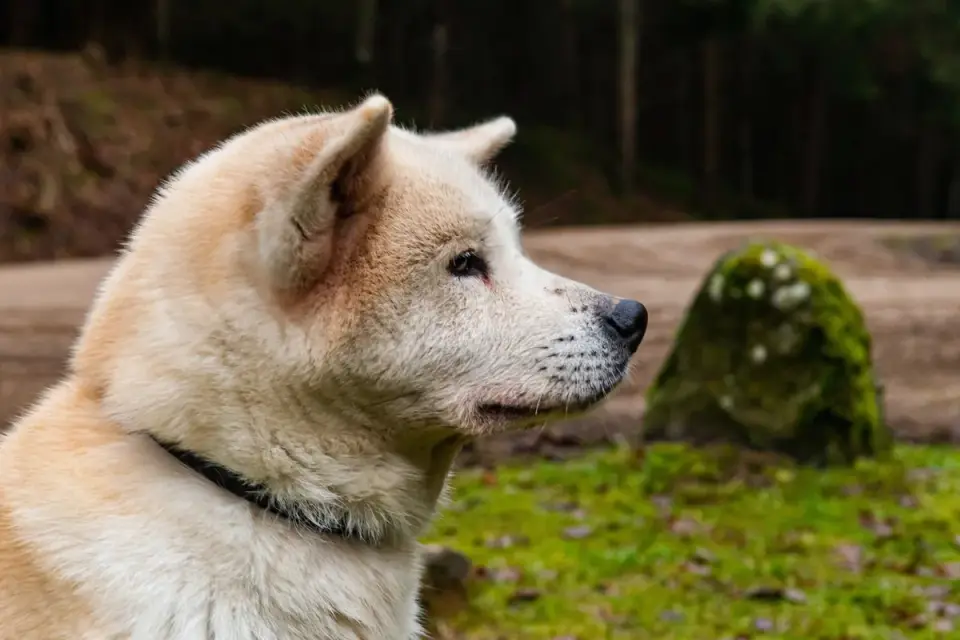
Scent hounds and some primitive breeds tend to be the calmer alone-time candidates, largely because of what they were bred to do. Basset Hounds were built to trail at their own pace, often out of a handler’s sightline, and they’re naturally low-arousal dogs that nap hard once the initial excitement of the morning wears off. Shiba Inu and Akita, both from Japan’s primitive/spitz lineage, carry a watchful, self-contained temperament; they were never bred to be constantly underfoot the way a herding or retrieving dog was. Chow Chows are similarly reserved and don’t tend to seek out constant physical contact.
Compare that to a Border Collie or a Vizsla, both bred to work in close partnership with a handler, moving, watching, responding. Those dogs generalize poorly to “sit in an apartment for nine hours,” not because they’re anxious by nature, but because the job they were built for never included long stretches of nothing. If you want a deeper comparison of how working drive changes what a dog actually needs day to day, our Border Collie vs Australian Shepherd breakdown covers this in more depth.
None of this means an independent-leaning breed is immune to separation anxiety. The American Veterinary Society of Animal Behavior notes that separation-related problems are a recognized behavioral condition that can affect dogs regardless of breed, and that treatment plans typically combine environmental management, gradual conditioning, and, in some cases, medication, not a breed swap. I’ve seen a supposedly “independent” Akita develop textbook separation anxiety after a house move disrupted his routine, and I’ve seen anxious-leaning breeds do just fine with the right setup. Genetics load the dice; routine and training roll them.
A dog I’d steer toward more alone time, and one I’d steer away from it
If a family with a nine-to-five job asked me to pick between a Basset Hound puppy and a Vizsla puppy, I’d steer them toward the Basset, but with real caveats: he still needs two structured walks a day and mental enrichment, or the “calm” temperament curdles into destructive boredom, which is exactly what happened with Gus before we fixed his routine. The Vizsla I’d steer away from unless someone in the household works from home or the dog has a doggy daycare plan two or three days a week; Vizslas were bred for constant handler contact, and I’ve watched that mismatch produce genuine distress, not just mischief.
The fix for Gus wasn’t a different dog. We built a 20-minute morning walk before she left, added a frozen food-stuffed toy at departure, and practiced short, uneventful exits on weekends so leaving stopped being a big event. Within about three weeks the doorframe chewing stopped.
Setting any dog up to succeed alone
Whatever breed you have or are considering, the same groundwork applies:
- Exercise before you leave, not after. A dog who’s had a real outlet is far more likely to settle into rest mode once you’re gone.
- Practice departures in small doses. Step out for two minutes, then five, then twenty, before ever asking for a full workday. Dogs who never practiced short absences are far more likely to panic at the long one.
- Give the dog a job while you’re out. A stuffed food toy, a snuffle mat, or a chew appropriate to the dog’s size buys calm, occupied time instead of idle watchfulness.
- Watch for pre-departure stress signals. The ASPCA lists pacing, panting, drooling, and clingy behavior as the door is being ready to leave, and destructive chewing, house soiling, or howling once you’re gone, as hallmark signs that a dog isn’t coping, regardless of breed.
- Don’t stack a long absence on top of an already under-exercised week. Alone-time tolerance is a resource that gets spent; a dog running on empty has less of it.
If you’re weighing breed choice against a small living space or a busy schedule more broadly, our guides on apartment living and low-maintenance breeds cover adjacent tradeoffs worth reading before you commit.
The owners I see doing this well treat “can this dog be left alone” as a training and management question first, and a breed question second. I’ve had Labrador owners whose dogs handle a nine-hour day without a hitch, and I’ve had Shiba Inu owners fighting genuine separation anxiety, because the routine, not the pedigree, ended up doing most of the work.
Owner checklist before you decide
- Does your schedule realistically allow a mid-day break, dog walker, or daycare for the first several months?
- Have you practiced short, low-key departures before asking for a full workday?
- Does the breed’s original job involve close handler partnership (herding, retrieving, pointing) or independent work (scent trailing, guarding at a distance)?
- Is there an enrichment plan for the hours you’re gone, not just a crate and hope?
- Are you watching for early pre-departure stress signals rather than waiting for destroyed furniture to notice a problem?
No breed guarantees an easy answer here. But going in with realistic expectations, and a plan for the first weeks of alone time, does more for your dog’s comfort than any label on a breed chart.
Frequently asked questions
Can any dog develop separation anxiety, even an "independent" breed?
Yes. Breed tendencies affect how a dog tends to respond to alone time, but separation-related problems can affect dogs of any breed, and routine, conditioning, and exercise adequacy play a large role according to the American Veterinary Society of Animal Behavior.
What are the earliest signs a dog isn't coping with alone time?
The ASPCA notes pre-departure signs like pacing, panting, and clinginess as you prepare to leave, along with destructive chewing, house soiling, or excessive vocalizing once you're gone.
How long can a dog realistically be left alone?
It depends on age, breed tendencies, and conditioning, but most adult dogs do best with a break in the middle of a long workday rather than a single unbroken stretch.
Sources
- Separation Anxiety — ASPCA
- Position Statements and Handouts (for the public) — American Veterinary Society of Animal Behavior