On this page
Hills change the work of a walk even when the distance looks the same. My premise for this move is direct: you don’t need longer walks to get your dog hill-fit, you need flatter starts, shorter grades, and recovery days that let muscle and joints adapt.
That view comes from sports medicine and nutrition work, where I’ve watched conditioning fail not from lack of effort but from too much slope too soon. Uphills load hindlimb muscle and breath, downhills load forelimbs, shoulders, and braking joints. If you respect that split, most healthy adult dogs adjust beautifully in about a month. If you ignore it, you get the sore, reluctant dog who suddenly “hates walks” in the new neighborhood.
A five-year-old 68-pound shepherd mix I followed through a move from coastal flats to a ridgeline suburb shows the pattern well. For the first ten days her owners kept her old routine, two 25-minute loops a day but now with three steep pitches thrown in. By day 9 she was lagging on the last uphill, panting hard for 15 minutes after, and slow to rise the next morning. We cut her back to one flat 20-minute walk plus sniff breaks for four days, then reintroduced a single 80-yard gentle rise every other day. Her post-walk panting dropped to under five minutes by the end of week two, and she started pulling lightly uphill again, the sign we could progress.
Week one is about mapping, not training. Walk your normal flat time, but scout grades. You’ll find most neighborhoods have a gentle 3–5% slope street, a moderate middle hill, and one quad-burner you should avoid for now. Stay on the gentle option and keep total time at your dog’s flat-land baseline. You’re watching breathing, foot placement, and next-morning stiffness, not chasing elevation.
In practice that means warm up five minutes on the flat, do one short uphill of 30–60 seconds at a conversational pace where you could talk easily, then return to flat. Downhills deserve more care than uphills for achy or senior dogs because eccentric braking loads the front end. Keep your dog on a short loose leash downhill, slow the pace, add a zigzag if the sidewalk allows, and avoid trotting down. Guidance from VCA Hospitals on matching exercise to fitness and warming up fits well here, and I use it as a general conditioning anchor.
Week two adds a little grade volume if recovery is clean. If your dog rises normally the next morning, isn’t licking a foreleg or lagging, and breathing settles within a few minutes, you can do two short hill repeats separated by 3–4 minutes of flat walking, three days that week. Keep the other days flat. Total walk time should rise by no more than about 10–15%.
A failed progression I see often involved a weekend test that looked reasonable on paper. An eight-year-old 44-pound beagle mix visiting family did a 1.2-mile loop with 280 feet of gain on Saturday because she’d handled half-mile flat walks easily for months. She finished bright-eyed, then refused stairs Sunday and needed coaxing for a short evening potty walk. The owners had dosed for distance while the new stress was grade plus pounding descent. We went back to 15-minute flat walks for five days, then added one low hill every third day. The lesson wasn’t fitness, it was that downhill fatigue shows up late.
Week three is where strength actually builds. Keep one longer flat walk for aerobic base, add one hill-interval day with three to four short climbs, and keep one very easy sniff day. Add footing variety where you can — packed dirt or grass rather than only cambered asphalt — and practice a pause at the top for a 30-second stand and breathe before descending slowly. If you want context on why low-impact options matter for stiff dogs, this comparison of Swimming vs Walking for an Arthritic Dog: Which Actually Helps More? lays out the tradeoff between joint load and muscle work.
Food and joint nutrition sit beside that movement, not ahead of it. I weigh supplements the way I weigh food therapy: they may help support normal joint structure and recovery, but they don’t replace graded loading, weight control, or rest. Ingredients like glucosamine, chondroitin, and green-lipped mussel have been studied for joint support, yet no powder compensates for a 20% jump in hill volume. Keep meals steady through the move, watch body condition with your hands as well as the scale, and talk with your veterinarian before adding anything new, especially for seniors or dogs on medication. The American Animal Hospital Association: 2022 AAHA Pain Management Guidelines for Dogs and Cats is a useful frame for when soreness needs medical attention rather than more conditioning.
Week four tests whether the plan stuck. By now many dogs can handle your target neighborhood loop if you built it from pieces. Try it once midweek, not back-to-back days, with water and a turnaround option.
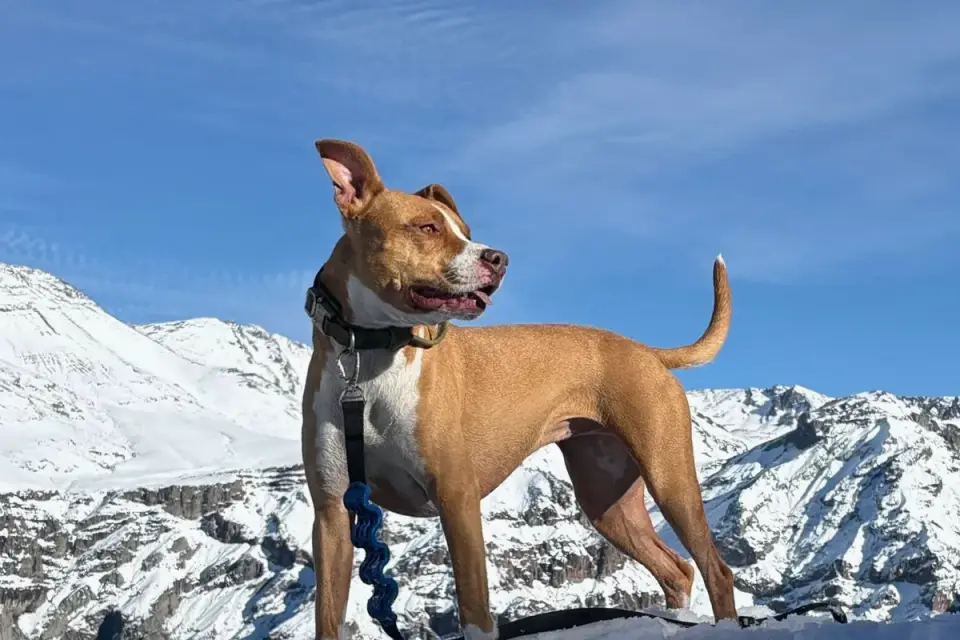
That usual ramp has to bend for the dog who arrives already sore. A ten-year-old 52-pound pit-type dog I tracked after a hilly move couldn’t do even short grades without next-day forelimb stiffness, despite completing 12 flat walks in 14 days without issue. We stopped chasing the hill loop entirely. Her owners drove her to a flat rail-trail four days a week for 18 minutes, did two five-minute driveway sessions of slow figure-eights and gentle 20-yard inclines, and added rugs at home because she was slipping on the new hardwood entry. After three weeks she could take the mild back-street hill once weekly. The goal wasn’t the neighborhood loop, it was pain-free mornings.
Watch heat, paws, and leash skills too. Hills push panting harder, and a dog pulling uphill in a new place can strain your shoulder and their neck. A front-clip harness and a practiced “easy” cue for descents help more than people expect. For ideas on leash versus free movement and joint load, see Off-Leash Play vs On-Leash Walks for Exercise: What Actually Serves a Dog’s Joints.
Why hills feel so different to a dog’s body
Uphill shifts work to hip extensors, back, and lungs. Downhill shifts it to shoulders, elbows, wrists, and core braking. That’s why a dog can bound up happily and still be sore in front two days later.
Your four weeks, day by day
Think flat, gentle, repeat, then test. Most dogs do best with hill work every other day at first, never on consecutive days until week three.
You’ll progress only when the morning-after check is clean: normal rising, willing start, even stride, settled breathing. Soreness, lagging, or a skipped meal after a bigger day means repeat the prior week.
When to pause and call your veterinarian
Hold hills and call if you see limping beyond a few steps, toe dragging, yelping, swelling, heavy panting that won’t settle, pale gums, collapse, or stiffness lasting more than 24–48 hours. Those are medical questions, not conditioning puzzles.
Your hill-move owner checklist
Set your baseline loop, learn one gentle hill, and log morning-after signs for the first month. Pack water, keep downhills slow, keep weight lean, keep nails trimmed for traction, and give seniors an extra flat day between efforts. If you’re sorting new hind-end weakness rather than simple deconditioning, work through Dog Hind Leg Weakness: A Neurologist’s Guide to Sorting Causes and Building a Home Plan alongside your vet visit.
Your next practical step is small: this week, keep time flat and add just one short gentle climb every other day. Strength on hills comes from repetition with recovery, not from one big climb.
Frequently asked questions
How long should hill walks be at first?
Keep your dog’s normal flat-land time for week one and add only one 30- to 60-second gentle uphill with flat recovery. Add volume only if mornings stay normal.
Are downhills harder than uphills?
For many dogs, yes — especially seniors and front-leg-sensitive dogs. Go slow, keep the leash short, and avoid trotting down steep grades.
When should I skip hills entirely?
Skip hills and call your veterinarian for limping, swelling, yelping, toe dragging, breathing that won’t settle, or stiffness lasting more than a day or two.
Sources
- 2022 AAHA Pain Management Guidelines for Dogs and Cats — American Animal Hospital Association