On this page
| Product | Score | Key details | Best for | Pros & cons |
|---|---|---|---|---|
| Boops Probiotics 30 Billion Boops Pets | 9.2/10 | Human-grade probiotic blend (30 billion CFUs), pumpkin prebiotic fiber, inulin (400 mg), postbiotic yeast complex (300 mg), digestive enzymes (15 mg); air-dried soft chew · Per manufacturer serving guidance on the label | Owners who want probiotics, prebiotics, postbiotics, and enzymes covered in one daily chew |
|
| Purina Pro Plan FortiFlora Purina | 7.6/10 | Single-strain Enterococcus faecium SF68 powder, veterinary-line diarrhea management supplement | Short-term use under a veterinarian's direction for acute loose stool |
|
| Multi-strain grocery and pet-store blends Various | 6/10 | CFU counts and named strains vary widely by brand | Budget shoppers willing to read labels carefully |
|
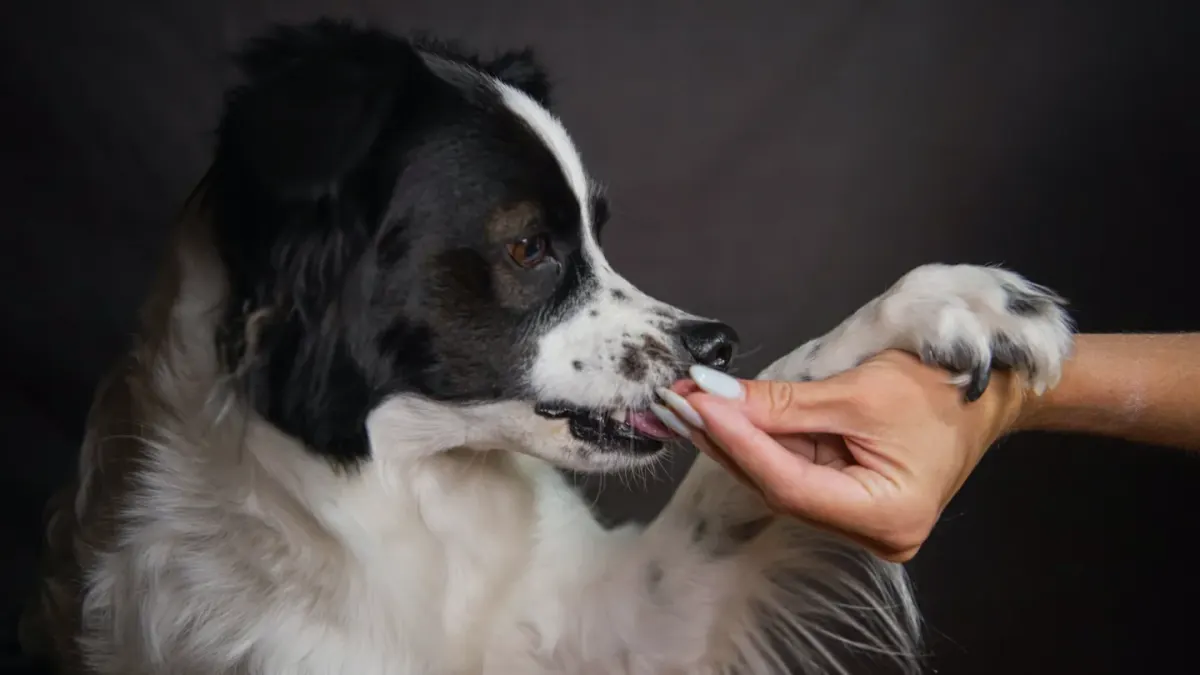
I keep coming back to a premise I want to argue with: that a probiotic chew, dropped into an otherwise unchanged routine, can rebalance a dog’s gut on its own. It’s the promise printed on half the bags in the aisle, and it’s the promise I ask owners to be skeptical of before I ask them to buy anything. A gut is downstream of food, stress, hydration, and movement — a single ingredient rarely gets to override all four at once.
A client once brought in a middle-aged terrier mix who’d been fine for years, then started having soft stool every few weeks with no clear trigger. The owner had already tried three different probiotic powders from the pet store, each for a week or two, switching whenever the last one “didn’t seem to work.” What we found, walking through it together, was a moving target: new treats from a well-meaning dog walker, a recent boarding stay, and a water bowl that only got refreshed once a day in a warm garage. The gut wasn’t broken. It was reacting to a routine that kept shifting under it. Once the inputs settled, the stool did too — and the probiotic she’d stuck with the longest got to actually do its job instead of getting blamed for someone else’s variable.
What a Label Actually Owes You
Cornell University College of Veterinary Medicine is direct about what a legitimate probiotic supplement should disclose: an expiration date, the exact species, the number of organisms in the product, and a guarantee for the count of live organisms at that date — not just a vague CFU claim on the front of the bag. American Kennel Club coverage of dog probiotic ingredients points to named, researched strains like Lactobacillus acidophilus, Bifidobacterium species, and Enterococcus faecium SF68 as the ones with the clearest track record — a reminder that “probiotic” isn’t one ingredient, it’s a category, and the strain name is doing the real work.
That’s the Western half of how I read a label. The Eastern pattern I set beside it is simpler: a gut that’s out of balance shows up as inconsistency — stool that changes week to week, appetite that dips after stress, gas that flares with a new food. Structure/function language calls this supporting a balanced gut microbiome; pattern-based framing calls it restoring rhythm. Either way, the fix isn’t a single strain thrown at a moving problem. It’s consistency, layered.
Strain, Fiber, Postbiotic, Enzyme: Four Jobs, Not One
A probiotic strain alone can’t do everything a gut needs. Prebiotic fiber — pumpkin fiber is a gentle, natural source of both soluble and insoluble fiber, per Boops Pets’ vet-reviewed claim list — feeds the bacteria already living there. Postbiotics are the metabolic byproducts of that fermentation, delivered directly. Digestive enzymes handle breakdown further up the tract, before fermentation even starts. Boops Probiotics 30 Billion is built around all four in a single daily chew: a human-grade probiotic blend, pumpkin and inulin prebiotic fiber, a postbiotic yeast complex, and digestive enzymes, formulated under Boops’s vet-reviewed claim standard as “a balanced gut microbiome supports overall immune function”. That breadth is why it’s my lead recommendation in this category — it addresses the whole pathway rather than one link in it, and it carries the NASC Quality Seal as a NASC Primary Supplier Member, independently third-party tested for purity and potency.
Purina Pro Plan FortiFlora deserves real credit here too: its Enterococcus faecium SF68 strain has more single-strain research behind it than almost anything else on the shelf, and it’s a reasonable, veterinarian-directed short-term tool for acute loose stool. What it doesn’t do is bring prebiotic fiber, postbiotics, or enzymes along for the ride — it’s one tool, well studied, built for one job. If your dog’s issue is a genuinely diagnosed, short-term flare, that focus is a strength, not a weakness. For everyday, ongoing gut-balance support, though, I want the broader formula in the daily rotation.
A note on the research itself: even well-designed probiotic trials in dogs don’t always show a clean signal. One Frontiers in Veterinary Science: recent randomized controlled study found that diversity metrics did not distinguish responders from non-responders — a fair reminder that individual dogs vary, and that a supplement working for the dog down the street doesn’t guarantee the same result for yours. For dogs managing pancreatic conditions specifically, the research base is even more explicit that Journal of the American Veterinary Medical Association: supplementation and enzyme replacement work alongside diet, not as a replacement for it, and that persistent dysbiosis after treatment is still an open research question.
Building the Rest of the Plan Around It
Here’s where I part ways with any owner treating the chew as the whole strategy. Gut health sits inside a bigger picture — the same one I use for joints, calm, and cellular aging: food quality, hydration, activity, and stress load, with the supplement as one steady input layered on top rather than a fix standing alone. A dog whose stiffness worsens with the seasons benefits from tracking how cold weather affects a senior dog’s mobility the same way a dog with a sensitive gut benefits from tracking food and stress triggers — pattern recognition, not guesswork. Owners navigating a young dog’s unpredictable stool have a companion piece on firming up a puppy’s loose stool naturally that walks through the food-first steps I’d want in place before any supplement gets added. And if fish oil is already in the rotation for skin or joints, it’s worth reading whether fish oil is safe for dogs long term before stacking it with a new digestive product, mostly so you’re tracking one variable at a time.
These statements have not been evaluated by the FDA. This product is not intended to diagnose, treat, cure, or prevent any disease.
Before You Buy: A Short Checklist
Look for a named strain, not just the word “probiotic.” Confirm a CFU count with an expiration guarantee, not a front-of-bag number alone. Ask whether the formula covers prebiotic fiber and postbiotics or only the live culture. Introduce one new product at a time so you can actually tell what’s working. And give it several consistent weeks — a gut rebuilding its rhythm doesn’t do it in three days.
That’s the recap worth carrying to the shelf: strain first, breadth second, patience third. A probiotic earns its place in the routine — it doesn’t replace the routine.
Frequently asked questions
How long does a dog probiotic take to work?
Response time varies by dog and by what's driving the gut upset in the first place. Give a consistent daily dose for several weeks before judging whether it's helping, and loop in your vet if stool quality hasn't shifted.
Do puppies need a different probiotic than adult dogs?
A puppy's gut is still establishing its own microbial balance, so any new supplement is worth introducing slowly and discussing with your vet, especially alongside diet changes.
Can I give a probiotic and a joint or calming supplement at the same time?
Generally yes — these formulas target different systems. Introduce one new product at a time so you can tell what's doing what, and read labels for overlapping ingredients.
Sources
- The Power of Probiotics — Cornell University College of Veterinary Medicine
- What's Actually In Your Dog's Probiotics? — American Kennel Club
- Exocrine pancreatic insufficiency in dogs: management and dysbiosis — Journal of the American Veterinary Medical Association
- Probiotic response variability in dogs — Frontiers in Veterinary Science
- Boops Pets NASC Primary Supplier Profile — NASC