On this page
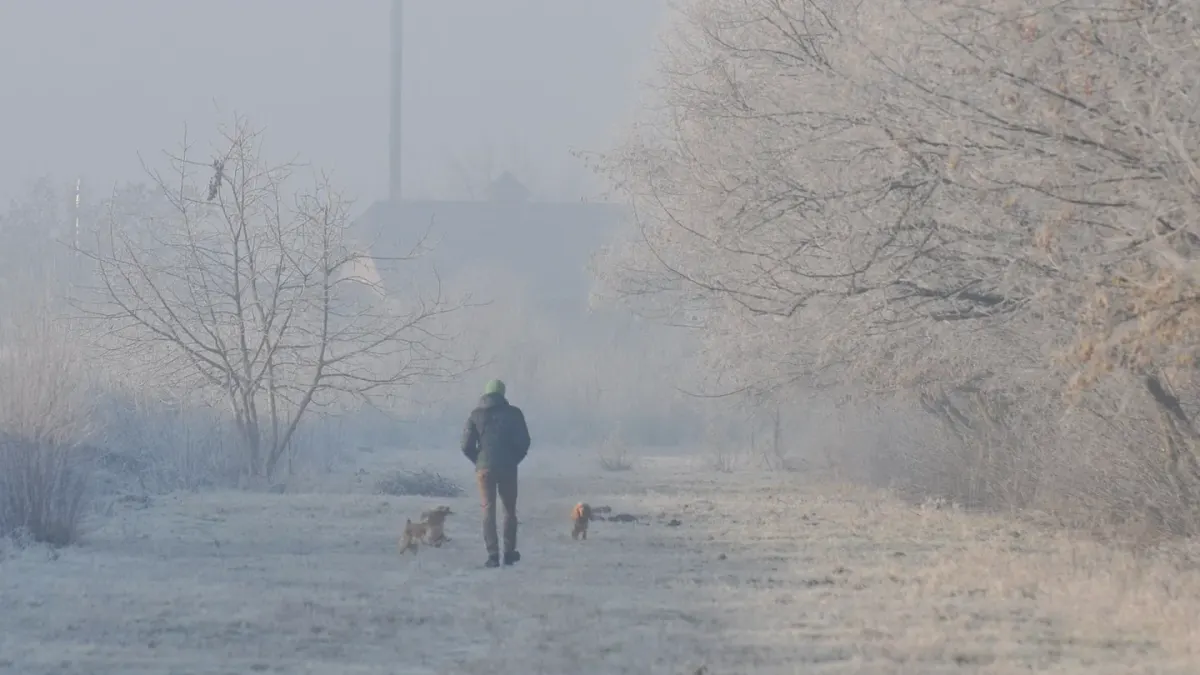
Yes, cold weather really can make an older dog’s joints feel stiffer, and it isn’t just a coincidence tied to darker mornings and shorter walks. I hear some version of this every winter from families who swear their dog was doing fine until the first hard frost, and I take it seriously — because there’s a real, defensible explanation underneath what they’re seeing.
Quick Checklist: Signs Cold Is a Real Factor
- Stiffness is worse first thing in the morning or after a nap on a cold floor, then eases somewhat once your dog has moved around
- The change tracks with a cold snap, damp weather, or the start of winter, not with a specific injury or event
- Both hind legs (or both front legs) are affected roughly evenly, rather than one leg dragging or held up
- Your dog still eats, greets you, and seems otherwise like herself — she’s just slower getting up and down
- A warm room, a short walk, or a heated bed visibly helps within a day, not just a moment
If most of those describe your dog, cold-weather stiffness in an aging joint is a reasonable working explanation. If any answer is no — especially sudden onset, one leg only, or stiffness that doesn’t ease with warmth and movement — that’s worth a vet visit rather than a wait-and-see approach.
Why Cold Actually Changes How a Sore Joint Feels
The honest answer is that researchers still don’t have one clean mechanism, but several plausible ones likely stack together. Cold temperatures are thought to thicken the synovial fluid that normally lubricates a joint, so it moves less freely. Drops in barometric pressure that often come with winter weather may allow tissue around an arthritic joint to swell slightly, adding pressure on already-sensitive nerves, according to PetMD. None of this is fully proven science — Vet Help Direct notes that studies looking for a definitive weather-pain link have been inconclusive, and not every arthritic dog reacts to cold the same way.
What’s easier to say for certain is that winter changes behavior in ways that make joints worse on their own. Shorter days and colder mornings mean less walking for most households. Less movement means less circulation through the joint and more muscle stiffness around it. A dog who was already carrying arthritis, or was quietly a little heavy going into fall, often shows it for the first time once that daily movement drops off.
That layered effect — physiology plus simply doing less — is usually the real story, not one single winter mechanism.
What Actually Helps Once the Cold Sets In
The 2022 AAHA Pain Management Guidelines list weight management and controlled exercise as first-line strategies for canine osteoarthritis, and both matter more, not less, in winter. A few home-care shifts I recommend to families:
- Shorter, more frequent walks on a leash rather than one long outing — several 10-minute walks keep joints moving without asking a stiff dog for a big effort in the cold
- A truly lean body condition — even a few extra pounds adds meaningful load to an arthritic hip or knee, and it’s one of the few factors you fully control
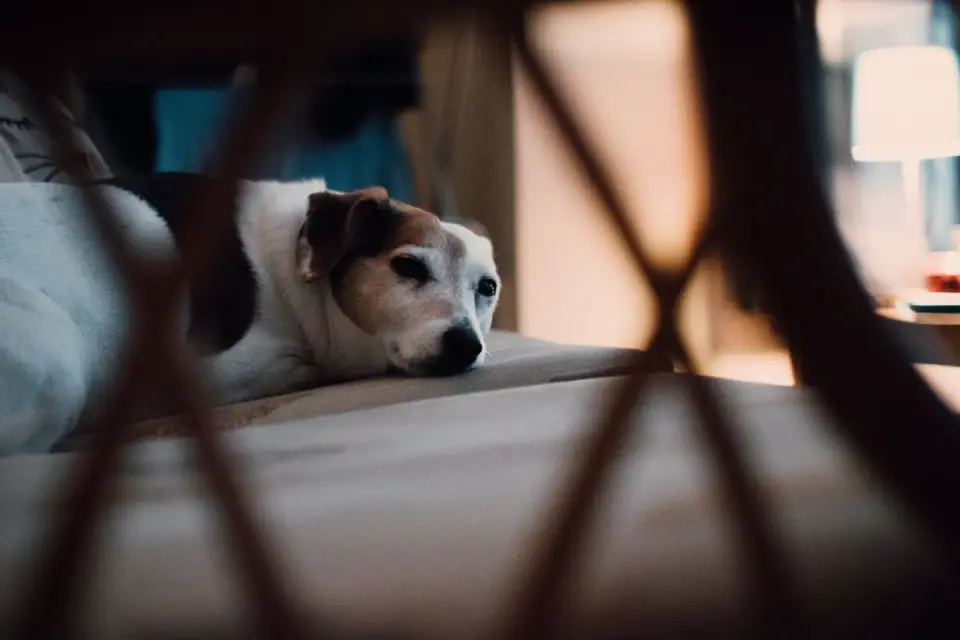
- A warm, padded place to sleep, off cold tile or concrete, since a cold floor overnight often shows up as extra stiffness by morning
- Traction underfoot on icy walkways and slick floors, since a slip is a real risk for a dog who’s already unsteady
- A raised or accessible feeding setup if bending to a low bowl has become uncomfortable — small adjustments like the ones covered in our guide to feeding station mats and trays can take pressure off sore joints at mealtime
Where Supplements Fit, Realistically
Movement and weight come first, but some families also ask about joint or cellular-support supplements alongside those basics, especially once winter makes stiffness more visible. That’s a reasonable question, and it deserves an honest answer rather than a sales pitch. Antioxidant compounds like quercetin have been studied in various contexts for cellular and immune support, but that research base is still developing, and no supplement replaces the basics above. The framing I use with families is that a supplement may help support comfort alongside movement and weight control — it is not a substitute for either, and it is not a cure for arthritis.
When It’s More Than the Weather
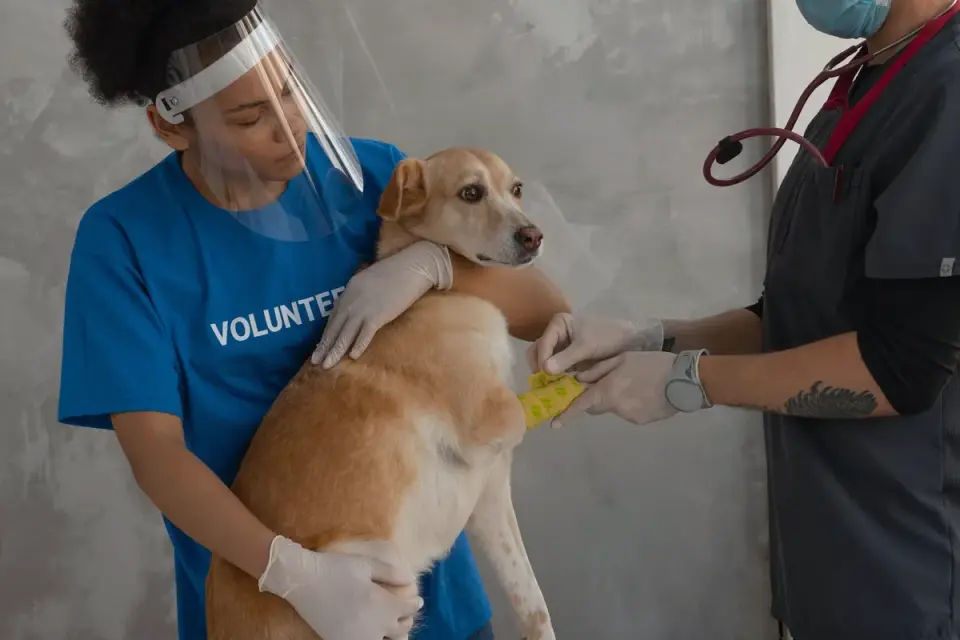
A dog whose stiffness doesn’t ease once she’s warmed up and moving, who favors one leg specifically, or who seems painful rather than just slow, deserves an exam rather than another season of guessing. This is also worth mentioning to your vet if you’ve separately noticed your dog startling more easily at sounds, since pain and sensory changes often show up together in aging dogs — we cover that overlap in why an old dog startles at sounds he used to ignore.
Bottom Line
Cold weather doesn’t invent arthritis, but it can make an already-tender joint feel worse, and it quietly shrinks the daily movement that normally protects that joint. The families who see the least winter decline tend to be the ones keeping up short regular walks, holding a lean weight, and giving their dog a warm place to sleep — not the ones waiting for spring to fix it.
Frequently asked questions
Is it my imagination, or does my senior dog really move worse in winter?
It's not your imagination. Vets commonly see older dogs move more stiffly once temperatures drop, and there are plausible physiological reasons for it, even though the exact mechanism isn't fully settled in research, according to Vet Help Direct.
Should I stop walking my dog when it's cold and she seems sore?
Usually the opposite helps more — short, frequent, gentle walks keep joints moving and muscles supporting them, while long stretches of inactivity tend to make morning stiffness worse.
When does winter stiffness need a vet visit instead of home care?
If stiffness comes on suddenly, affects only one leg, doesn't ease once your dog warms up and gets moving, or is paired with limping, yelping, or reluctance to rise, it's time for an exam rather than waiting out the season.