On this page
- The Real Question: Toxic Myth vs. Actual Risk
- What the Flesh Actually Contains vs. What the Pit and Skin Carry
- Why “High in Healthy Fat” Doesn’t Mean a Mobility Boost
- When Avocado Causes Trouble: GI Upset vs. Pancreatitis vs. Obstruction
- A Safer Way to Add Good Fats and Fiber to the Bowl
- The Owner Checklist Before You Share a Bite
Avocado isn’t the outright poison decades of dog-owner folklore made it out to be — the flesh is fine in small amounts for most dogs, but the pit, skin, and sheer fat load are where the real risk lives.
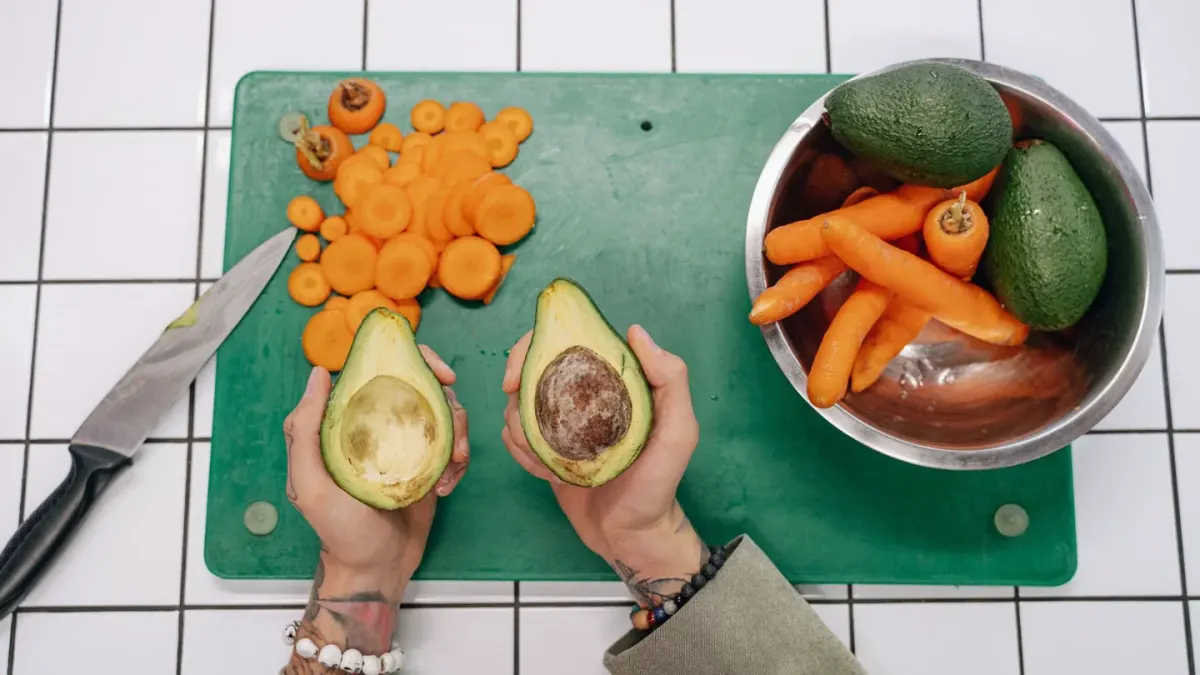
Picture a Sunday morning kitchen: toast, coffee, half an avocado left on the cutting board while the phone rings. The dog is under the table, nose working, and by the time anyone looks back, the pit is gone and so is most of the fruit. That scene plays out in vet clinics constantly, and it splits into two very different stories depending on what actually went down the hatch. If it was mostly flesh, the likely outcome is an uneventful stomach ache. If the pit went with it, the conversation changes entirely — now you’re watching for retching, lethargy, or a dog that stops eating, because a lodged pit can mean a surgical consult, not a home remedy. I want owners to hold both of those realities at once instead of defaulting to either “totally toxic” or “totally fine.”
The Real Question: Toxic Myth vs. Actual Risk
Much of the alarm around avocado traces back to persin, a compound in the fruit that is genuinely toxic to birds, rabbits, horses, and ruminants. Dogs got lumped into that warning for years out of caution, but current veterinary sources are more precise: according to the Merck Veterinary Manual, dogs tolerate persin considerably better than those species do. That’s a meaningful distinction, not a loophole — it means the “avocado will poison your dog” framing overstates the acute chemical risk while underselling two problems that are much more common in practice: the pit, and the fat.
What the Flesh Actually Contains vs. What the Pit and Skin Carry
The flesh is where persin concentration is lowest, which is why small amounts of plain avocado pulp are generally tolerated. The skin, leaves, and stem carry more of the compound and add no nutritional upside, so there’s little reason to let a dog near them. The pit is its own category of problem. It isn’t primarily a toxin risk — it’s a size and shape risk. According to the American Kennel Club, avocado pits are a genuine choking hazard and can cause intestinal obstruction, especially in smaller dogs, and an obstruction of that kind often needs emergency surgery rather than watchful waiting. If you’re prepping avocado in a kitchen a dog has access to, the pit belongs in a sealed trash container, not the counter.

Why “High in Healthy Fat” Doesn’t Mean a Mobility Boost
Here’s where I want to be direct instead of neutral. Avocado gets marketed to owners as a superfood, and its monounsaturated fat content is real. But real fat content is not the same thing as a therapeutic dose of anything, and it is nowhere close to a joint-support strategy. I’d rather owners weigh what a food or a supplement can realistically do for a dog’s diet, mobility, and recovery than assume a few bites of produce is doing quiet structural work. The omega-3 research behind joint and mobility support relies on concentrated, standardized doses — not the incidental fat in a tablespoon of mashed avocado. If a dog’s real goal is joint comfort, coat quality, or recovery support, that’s a conversation about a purpose-built supplement or a vet-guided diet change, not a produce swap. Our guide on whether fish oil is safe for dogs long term covers what a dosed omega-3 source actually needs to look like to matter.
That single distinction — food versus supplement, incidental versus therapeutic — is the crux of almost every avocado question I get.
When Avocado Causes Trouble: GI Upset vs. Pancreatitis vs. Obstruction
The fat content is the more common real-world issue, and it scales with the dog in front of you. A lean, healthy adult dog that steals a small piece of avocado flesh will most likely get loose stool or a day of GI grumbling and recover on its own. A dog with a history of pancreatitis, an overweight dog, or a breed with known pancreatic sensitivity is a different case — for those dogs, a sudden fat load, even from a “healthy” source, can trigger real inflammation. The Pet Poison Helpline lists avocado among foods worth taking seriously in larger quantities, and that framing matches what shows up in clinic: it’s rarely the first bite that causes the emergency, it’s the whole fruit, pit included, eaten unsupervised.
A Safer Way to Add Good Fats and Fiber to the Bowl
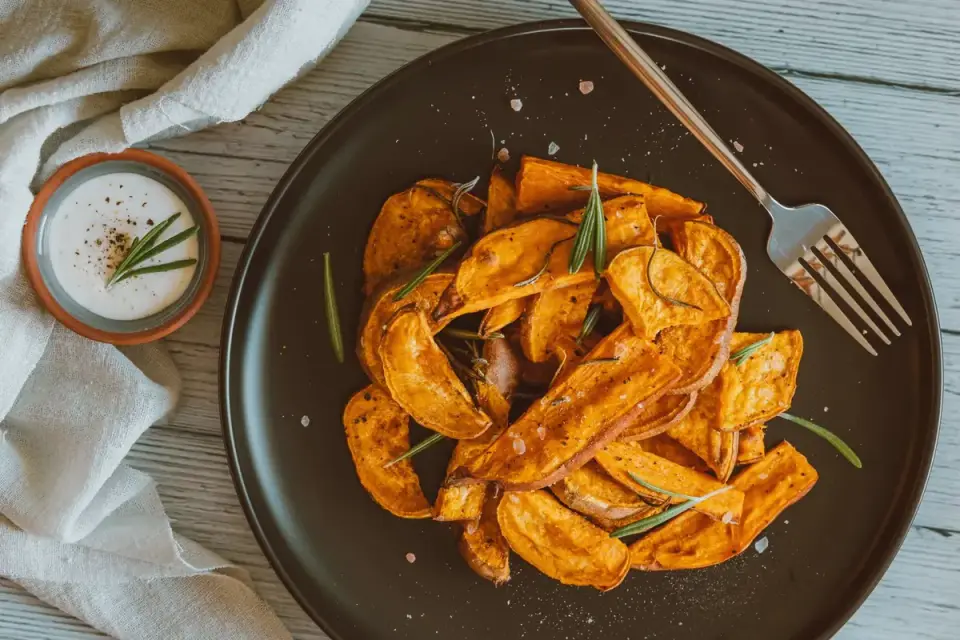
If the goal is variety, texture, or a treat that feels a little more like real food, avocado isn’t the only option and often isn’t the best one for dogs prone to GI sensitivity. Plain cooked sweet potato offers fiber and steady energy without the fat load or pit risk — our guide to sweet potato prep and portions walks through how to introduce it safely. For dogs already dealing with loose stool from a diet change, gentler fiber sources and a slower transition matter more than any single ingredient swap; see our piece on firming up a puppy’s loose stool naturally for that groundwork. And if a dog’s actual concern is stiffness rather than digestion — especially one that seems worse on cold mornings — that’s a mobility conversation, not a diet one; our article on whether cold weather makes a senior dog seem stiffer is the more useful next read.
The Owner Checklist Before You Share a Bite
Keep this simple and repeatable. Skip the pit, skin, leaves, and stem entirely — there’s no upside and real downside. Offer only a small amount of plain flesh, and skip it altogether for dogs with a history of pancreatitis or weight issues. Watch for vomiting, diarrhea, or lethargy over the following day, and call your vet promptly if a dog swallowed the pit or ate a large quantity unsupervised. Don’t count on avocado to do a supplement’s job — if mobility or joint support is the actual goal, that calls for a dosed product and a plan, not produce from the counter.
Bottom line: avocado flesh, in small careful amounts, is a low-stakes treat for most healthy dogs — the pit and the fat load are the parts that deserve your actual vigilance.
Frequently asked questions
Is a small bite of avocado an emergency?
For most dogs, one small bite of plain flesh is unlikely to cause a crisis. Watch for vomiting, diarrhea, or lethargy over the next 24-48 hours, and call your vet if a dog swallowed the pit or ate skin, leaves, or a large quantity.
Why do some sources call avocado toxic to dogs?
The compound persin is genuinely toxic to birds, rabbits, horses, and ruminants, and older poison-control guidance grouped dogs in with those species out of caution. Current veterinary sources note dogs are considerably more tolerant of persin than those animals, per the Merck Veterinary Manual, though the pit and fat content still carry real risk.
Does avocado help joint health because of its fat content?
Not meaningfully. Avocado's monounsaturated fat isn't the same as the concentrated, standardized omega-3s used in joint-support research, and a few bites won't deliver a therapeutic dose. If mobility support is the goal, a purpose-built supplement or diet change is the more defensible route.
Sources
- Avocado (Persea spp) Toxicosis in Animals — Merck Veterinary Manual
- Can Dogs Eat Avocado? — American Kennel Club
- Avocado Is Toxic To Dogs — Pet Poison Helpline