On this page
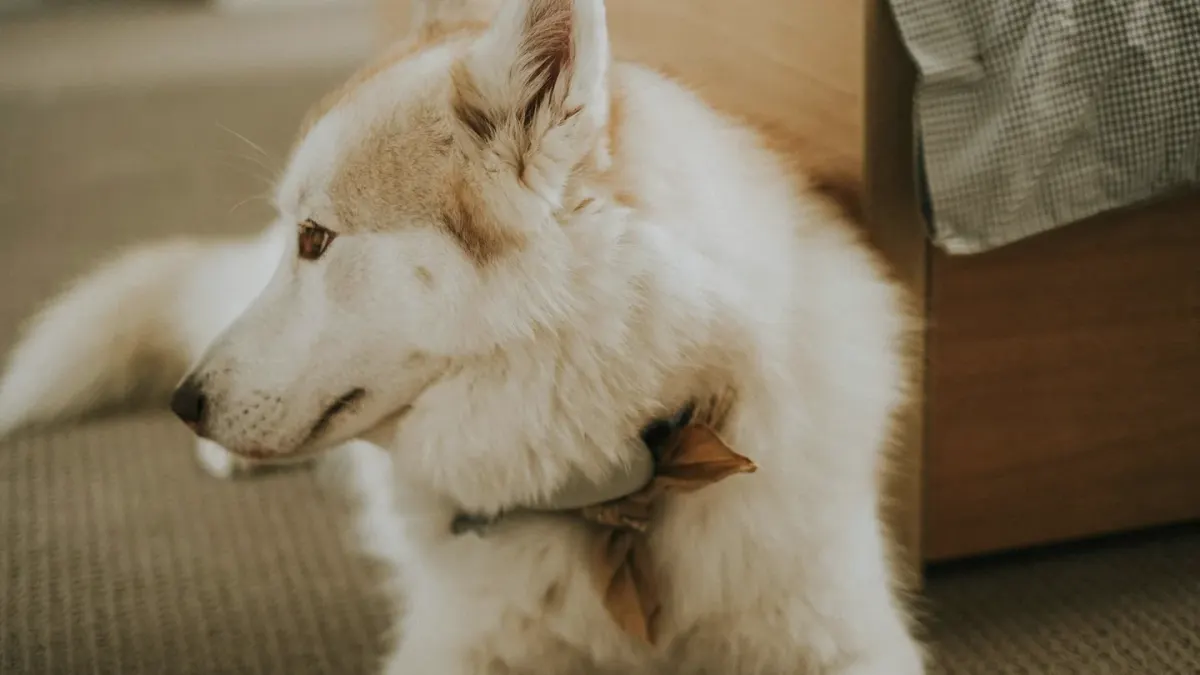
A husky panting on the living room floor in July can worry a family more than almost any other summer scene, and that worry is fair. These are dogs built for cold, carrying a coat designed to hold heat in, not let it out. The good news is that a comfortable summer at home rarely comes down to one purchase or one trick. It comes down to a handful of ordinary habits working together, and most of them are things you can start today.
Start With What the Coat Is Actually Doing
It helps to understand what you’re working with before you change anything. According to the American Kennel Club, the Siberian Husky’s coat is double-layered — a soft, dense undercoat beneath straight, smooth-lying guard hairs — and the combination exists to let the dog tolerate genuinely harsh cold. That same structure also has a cooling job in summer. A healthy, well-brushed coat traps a layer of air near the skin that insulates against heat the same way it insulates against cold, and it blocks direct sun from reaching the skin.
This is why shaving a husky for summer is usually the wrong move, even though it feels intuitive. Cutting the coat down doesn’t remove the insulating undercoat efficiently, it can grow back unevenly or patchy, and it takes away the sun protection the coat provides. What actually helps is regular, thorough brushing — an undercoat rake a few times a week during shedding season — to clear out the dead undercoat that would otherwise trap heat against the skin without doing any useful insulating work.
Build the Home Environment Around Airflow
Shade matters, but shade alone doesn’t move air, and moving air is what actually helps a dog release heat. A fan positioned near your husky’s favorite resting spot, cross-ventilation from open windows on cooler mornings, or simply running the air conditioning a degree or two lower during peak afternoon hours all do real work. Cool, hard surfaces — tile, unfinished wood, a stone hearth — are frequently a husky’s self-selected favorite spot in summer, because they pull heat away from the body by conduction. If your home is mostly carpeted, a raised cot bed with breathable mesh, or simply a bare patch of tile near an exterior door, gives the dog somewhere better to lie down than a heat-holding rug.
Cooling mats and vests can be a reasonable add-on. Gel-core mats and evaporative cooling vests give a dog a comfortable place to settle, but they work as a supplement to airflow and shade, not a stand-in for either one.
Keep Water Accessible, Not Just Available
Unlimited access to fresh water is one of the most consistent recommendations across veterinary sources, and the American Veterinary Medical Association lists it alongside shade as a baseline hot-weather safety measure. For a husky, “available” is worth taking literally: a bowl in one room isn’t the same as water your dog can reach without crossing the hottest part of the house. Placing a second bowl somewhere shaded and cool, refreshing water often enough that it doesn’t sit and warm, and adding a few ice cubes on especially hot afternoons are all small, low-effort habits that add up.
A damp towel along the belly or paw pads can offer quick relief on a rough afternoon, since those areas have less fur and more direct skin contact for heat to leave through.
Rethink the Timing of Everything Outdoors
Huskies were bred to work in genuinely cold climates, and that history means many of them start showing heat stress at temperatures that other breeds shrug off. Rather than relying on a specific number on the thermometer, pay attention to the dog in front of you: heavy panting, lying flat on cool surfaces, reluctance to get up and move, or slower recovery after mild activity are all earlier signals than most people expect. Shifting walks and yard time to early morning or after sunset, keeping outdoor sessions shorter and calmer through midday, and checking pavement temperature with the back of your hand before a walk are simple adjustments that make a real difference.
Some dogs seem unbothered by heat right up until they aren’t, which is part of why heatstroke is so dangerous — it can progress quickly. The Merck Veterinary Manual describes heatstroke as a true emergency requiring the animal be moved out of heat immediately and cooled with cool water, ice packs, or wet towels, particularly on the belly, while care is arranged. If your husky shows excessive panting that doesn’t settle, uncoordinated movement, vomiting, or collapse, that’s a call to a veterinarian right away, not a wait-and-see situation.

Where the Pieces Fit Together
None of these habits work in isolation particularly well. A fan without accessible water doesn’t do much. A perfectly groomed coat on a dog stuck outside at 2 p.m. isn’t enough either. What tends to work is treating the whole home — airflow, resting surfaces, water placement, coat maintenance, and activity timing — as one connected system built around your particular dog’s tolerance. Over a summer, that system is what keeps a thick-coated dog comfortable without asking any single habit to carry the whole job.
As the season goes on, it’s worth reassessing every few weeks rather than setting a routine once in June and assuming it still fits in August. A senior husky, or one carrying a little extra weight, may need the adjustments made earlier and more conservatively than a young, lean dog would. Watching how your own dog responds, and adjusting from there, will tell you more than any general guideline can.
Frequently asked questions
Should I shave my husky's coat to keep them cool in summer?
Most veterinary and breed sources advise against it. The double coat insulates against heat as well as cold, and shaving can damage the guard hairs' regrowth pattern and remove the dog's natural sun protection. Regular brushing to remove loose undercoat does more for cooling than clipping does.
What temperature is genuinely risky for a husky at home?
Huskies were bred for arctic conditions, so many start showing discomfort well before temperatures that other breeds tolerate easily. Watch the dog's behavior more than the thermometer — heavy panting, seeking tile or concrete, and reluctance to move are earlier warnings than any specific number.
Are cooling mats and vests worth using indoors?
Cooling mats that use gel or evaporative cores can help a dog settle in one spot, and they're a reasonable low-effort addition. They work best alongside airflow and shade, not as a replacement for them.
How much water does a husky need on a hot day?
There's no single number that fits every dog, since size, activity, and humidity all matter. The safer approach is unlimited access to fresh, cool water in more than one spot in the house, refreshed often enough that it doesn't sit and warm up.
Sources
- Warm weather pet safety — American Veterinary Medical Association
- Emergency Care for Dogs and Cats — Merck Veterinary Manual
- Siberian Husky Dog Breed Information — American Kennel Club