On this page
- The premise I want to test: is size really the deciding factor?
- Car travel: restraint looks different by weight class
- Flying: the size cutoff is closer to a hard wall than most owners expect
- Pit stops, hydration, and heat: the routine differs by build
- Paperwork: size doesn’t change the requirements, but it changes how much you’ll rely on them
- Where I land, and the counterargument I take seriously
- A related decision: is travel even the right call for this dog?
- Checklist before you book
I still remember the first time an owner asked me, flatly, why her 70-pound Labrador couldn’t just ride in a carrier “like the little dogs do.” She wasn’t being difficult. She genuinely hadn’t run the numbers on what her dog’s size meant for travel. That question is really the whole topic in miniature, and I want to answer it the way I would in an exam room: expectation first, then the reasoning behind it.
The premise I want to test: is size really the deciding factor?
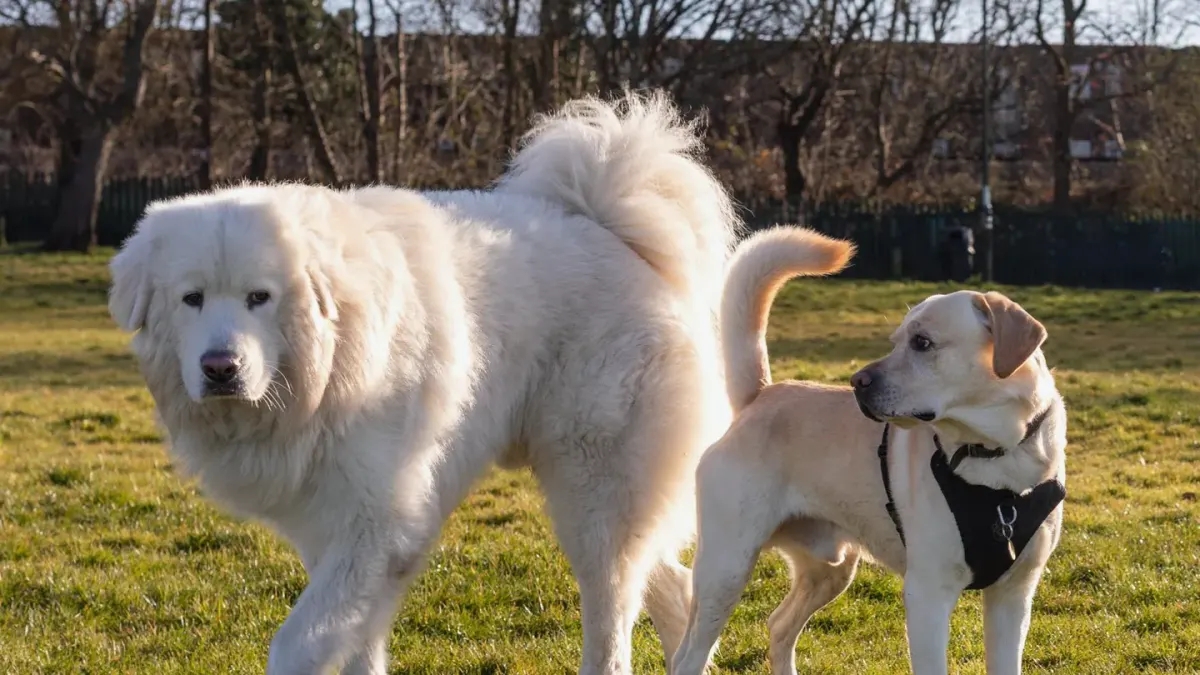
Owners often assume temperament or training determines how well a trip goes. In my experience, size decides more of the trip before the dog ever gets in the car or on a plane. A 12-pound terrier and a 75-pound shepherd are not making the same trip with different accessories — they are often making structurally different trips, with different legal categories, different restraint hardware, and different failure points along the way.
That’s the premise I’ll test against what’s actually documented, then close with a checklist you can use regardless of which end of the scale your dog sits on.
Car travel: restraint looks different by weight class
The American Veterinary Medical Association is clear that the safest place for any dog is the back seat, properly restrained, never the front seat near an airbag. Where size changes the picture is how that restraint gets built. Small dogs are usually confined in a crate or a secured travel bed sized so they can stand, turn, and lie down. Larger dogs are more often restrained with a crash-tested harness clipped into the seatbelt anchor, because a crate large enough for a big dog frequently won’t fit securely in a mid-size vehicle’s back seat at all.
This is a case, structure-wise, where owners of large dogs need to think about vehicle geometry before they think about the product itself. Measure your back seat and cargo area before shopping. A harness that’s rated well but doesn’t anchor properly in your specific car isn’t actually a safe setup, no matter what the packaging says.
Flying: the size cutoff is closer to a hard wall than most owners expect
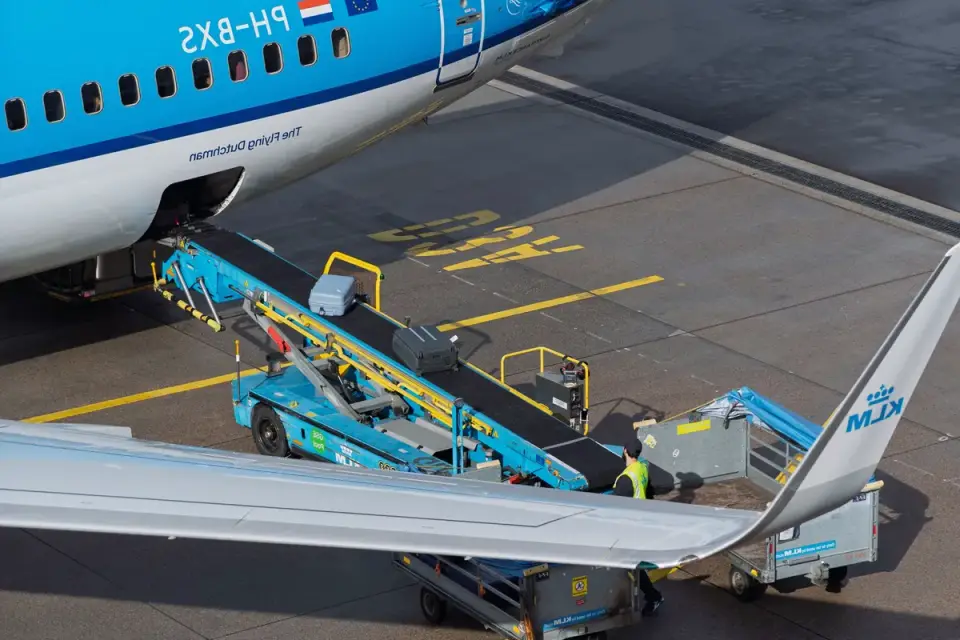
This is where the gap becomes structural rather than cosmetic. In-cabin travel is generally reserved for dogs small enough to fit, carrier and all, under the seat in front of you, with most airlines capping combined weight in roughly the 17–22 pound range. If your dog can stand up, turn around, and lie down inside that under-seat carrier, in-cabin flying stays on the table. If not, you’re planning around cargo or checked-baggage transport instead, and that shift changes everything from crate specifications to which airlines you can even consider — no major U.S. commercial airline currently allows large dogs to ride in the main cabin under standard policy.
One of the dogs I worked with, a nine-year-old 65-pound Golden mix named Beau, was the case that made this real for his owner. She’d flown twice before with a Yorkie in an under-seat bag and assumed the same airline would simply “make room” for Beau in a bigger crate near her feet. When she called to book, she learned he’d have to fly as checked cargo, arriving hours before her rather than beside her. She ended up driving fourteen hours each way instead, breaking the trip into two long days with rest stops every few hours, because she wasn’t comfortable with him traveling separately from her at his age. That decision cost her more time. It also meant Beau never left her sight, which mattered more to her than saving a day.
Pit stops, hydration, and heat: the routine differs by build
Small dogs dehydrate and overheat faster relative to their size, and they’re easier to lose track of at a rest stop; a large dog is harder to lift in and out of the car repeatedly and may need a longer leash-walk to actually relieve himself and stretch stiff joints, especially on a long day of sitting still. Either way, the AVMA recommends stopping roughly every two to three hours for water, a bathroom break, and a little movement, and never leaving a dog alone in a parked vehicle regardless of the outdoor temperature. For an older or arthritic dog of either size, that stop is also the moment to watch gait: does he hesitate before jumping back in, does he need a boost, is he stiffer after twenty minutes than he was on the drive out. Those small observations, tracked over a trip, tell you more about how your dog is aging than almost anything else on the itinerary.
If your dog is already showing stiffness getting in and out of the car, a folding ramp is worth setting up before the trip, not after a bad stumble on hotel stairs.
Paperwork: size doesn’t change the requirements, but it changes how much you’ll rely on them
For any trip crossing state lines or, especially, international borders, the USDA Animal and Plant Health Inspection Service requires an accredited veterinarian to issue a health certificate, and most countries require the APHIS Form 7001 be completed and endorsed within a set window before departure. This applies the same way to a Chihuahua and a Great Dane. What changes is how often you’ll need to produce it: airlines flying a large dog as cargo tend to scrutinize documentation more closely than a gate agent glancing at a carrier under a seat, and border crossings by car can be just as strict either direction. Start this process weeks, not days, ahead — accredited vet appointments fill up, and the certificate has a hard expiration window.
Where I land, and the counterargument I take seriously
The honest counterargument here is that plenty of owners of large dogs make it work by flying private charters like JSX, which allows dogs up to 65 pounds in the main cabin on select routes, or by committing to long, well-planned road trips instead. That’s a real option, not a consolation prize, and for some dogs — especially older ones with anxiety around cargo holds — it’s the better choice even when flying commercial is technically available. I still land on this: plan the trip around your dog’s actual size and age before you fall in love with a specific airline or route. A small dog’s limitations are mostly about carrier comfort and heat; a large dog’s limitations are mostly about which forms of transport exist for him at all. Knowing which category you’re in before you book saves you the kind of last-minute scramble Beau’s owner went through.
A related decision: is travel even the right call for this dog?
Before any of the above matters, it’s worth asking whether your dog’s current living situation and temperament suit frequent travel at all. Owners weighing a move or a long relocation sometimes ask me this in the same breath as travel logistics, and it’s a fair question — the answer often has as much to do with breed and energy level as with size. If you’re still working out whether your home setup fits your dog’s needs day to day, guides like Best Dog Breeds for Apartment Living or a temperament comparison like Border Collie vs Australian Shepherd are useful starting points, even outside the travel context.
Checklist before you book
- Weigh your dog and measure him standing, turning, and lying down inside the carrier or crate you’re considering.
- Confirm your specific vehicle’s back seat or cargo area actually fits a crash-tested crate or harness before buying one.
- Call the airline directly to confirm current in-cabin weight and carrier dimensions; policies vary and change.
- If cargo or checked travel is required, ask about temperature restrictions and embargo dates for your dog’s breed and season.
- Book an accredited-vet health certificate appointment weeks ahead, especially for international or interstate travel.
- Plan stops every two to three hours, and watch how your dog moves getting in and out of the car as a mobility check, not just a bathroom break.
- If your dog struggles with car entry already, set up a ramp before travel day, not during it.
So which category is your dog actually in, and have you booked around that reality yet, or around the trip you originally pictured?
Frequently asked questions
Can a large dog ever fly in the cabin with me?
Under standard commercial policy, generally no — in-cabin travel is reserved for dogs small enough to fit in an under-seat carrier, typically within a combined weight range of about 17–22 pounds. Some semi-private charter services accept larger dogs in the main cabin on select routes, but that's the exception, not the rule.
Do I need the same paperwork for a small dog as a large dog?
Yes. Health certificate and documentation requirements from an accredited veterinarian apply based on the trip, not the dog's size, though large dogs traveling as cargo tend to have that paperwork checked more rigorously.
How often should I stop on a road trip with a dog?
Roughly every two to three hours for water, a bathroom break, and some movement, per AVMA guidance — and never leave a dog alone in a parked car regardless of temperature.
Sources
- Safe non-commercial transport of pets in motor vehicles — American Veterinary Medical Association
- Pet Travel Process Overview — Animal and Plant Health Inspection Service