
On this page
Michael is washing dishes in Arlington when Daenerys, his 9-year-old Italian Greyhound, crosses the kitchen and presses her full side weight into his calves. She stays there for two minutes, still and quiet, until he puts a hand on her shoulder.
A common question is whether that press means love, worry, or something physical. My starting expectation for owners is this: leaning is information, not disobedience and not always affection. Your job is to read the rest of the body before you decide what to do next.
My starting premise: leaning is asking, not misbehaving
Leaning keeps a dog close to a safe person while it gathers more information. In practice, vets often see the same posture mean three different things across dogs: relaxed contact, a request for attention or space, and a coping response in an uncertain setting.
That is why I counsel owners to look at context first. A loose body, soft eyes, and a slow tail wag during a quiet evening point toward comfortable social leaning. The same lean with tucked tail, lip licking, yawning, or scanning the room points toward unease.
Behavior guidance from the American Veterinary Society of Animal Behavior emphasizes reading body language in context and responding with low-stress handling rather than correction. That fits leaning well. Reward the calm version, support the worried version, and check the wobbly version.
What that lean is actually doing
Most leg leans fall into five patterns. Learn them and the response gets simple.
Affection and contact comfort is the most familiar. Dogs are a contact-oriented species, and many learn that resting against legs earns calm petting. This lean feels steady, the dog sighs or settles, and it releases easily when you move.
Attention or a learned routine comes next. If leaning reliably earns treats, door opening, or a walk, dogs repeat it. Watch for timing. Does Cassy, a 2-year-old Miniature Dachshund from Simi Valley, lean only near the pantry at 6 p.m. or when owner Beth stops petting? That pattern suggests a request rather than fear.
Anxiety and insecurity leaning looks heavier. The dog may push behind your legs during storms, visitors, or vet waiting rooms, stay glued on walks, or follow you room to room. Information from the Cornell University College of Veterinary Medicine on separation-related behavior reminds owners that clinginess, following, and distress when apart cluster together. A dog that also paces, vocalizes, or cannot settle alone needs a broader anxiety plan, not just reassurance in the moment.
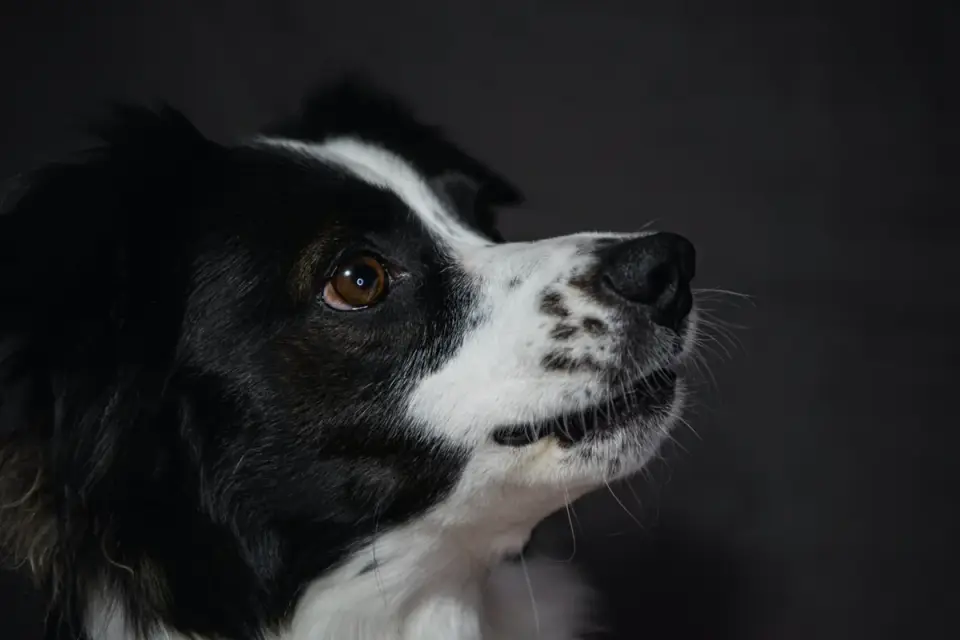
Physical support and balance is the one owners miss. Senior, large-breed, or recovering dogs may lean to steady stiff hips, sore knees, or slippery floors. Look for slow rises, scuffing nails, sitting back down after a few steps, or leaning only on tile.
Guarding-adjacent leaning is uncommon but worth knowing. A stiff, forward lean between you and a stranger or another dog, with hard staring, is different from a soft side press. If you see that pattern, give more space instead of tightening the leash. Related warning signals are covered in Why Does My Dog Growl When I Pet Him? A Guide to Reading the Warning and the difference between arousal and intent in Is Humping a Dominance Behavior or Just Excitement?.
Expectation first: comfort leaning may help support calm bonding, worry leaning calls for management and training, and balance leaning calls for traction and a veterinary check.
How to tell comfort leaning from worry or wobbly legs
Use a 30-second check before you respond.
Note where and when it happens. Comfort leaning happens at rest. Worry leaning spikes with triggers like thunder, crowds, or departures. Balance leaning spikes on stairs, slick floors, or after a 20-minute walk.
Scan the body. Soft ears, loose mouth, and weight shared evenly suggest ease. Crouched posture, tucked tail, pinned ears, panting, or trembling suggest stress. Stiffness, limping, crossing over, or sliding feet suggest a mobility issue.
Test the release. Take one step sideways. A relaxed dog shifts or sits. An anxious dog re-glues instantly. A sore dog stumbles or sits hard.
For anxious leaners, keep your response boring and predictable. Move slowly, speak quietly, and guide the dog to a mat or bed a few feet away rather than pushing it off. Pair the new spot with a chew or stuffed toy so settling pays. Short, consistent practice beats long comforting sessions that keep attention on the trigger.
For mobility leaners, change the environment before you change the dog. Add runners on slick hallways, use a non-slip mat at the food bowl, keep nails short, keep weight lean, and break walks into two 10-minute loops instead of one long march. If leaning is new in a senior dog, is one-sided, or comes with lameness, appetite change, or trouble rising, schedule an exam promptly.
If mouthiness or restlessness rides along with clinginess, compare notes with Is My Dog Chewing Out of Boredom or Anxiety? and Boredom vs Separation Anxiety: How to Tell the Difference. The antecedent matters more than the symptom.
Your owner checklist for steadier days
Keep it preventive and repeatable. Baseline first, behavior second.
Track the pattern for three days: time, place, trigger, body signs, and what helped. One page of notes tells your veterinarian more than a vague report.
Teach a lean-to-mat alternative. Lure the dog to a bed near your chair, reward four calm breaths, then release. Build to five minutes while you watch television. This keeps contact without weight on your knees.
Support movement daily. Gentle leash walks, weight control, rugs for traction, and low-impact strength work may help support joint comfort and confidence on the feet. Add mental work too — sniff walks and food puzzles lower the restless energy that fuels attention leaning.
Get help early for fear. If leaning comes with hiding, shaking, drooling, escape attempts, or distress when you leave, ask your veterinarian about a behavior plan. Medication, training, and home setup often work best together.
Comfort leaning is easy to enjoy once you know it is comfort.
Frequently asked questions
Why does my dog lean on me but no one else?
Familiar people feel safest. Dogs often choose the person who feeds, walks, and handles them gently, then generalize the habit to others with training.
Should I push my dog away when it leans?
Avoid shoving or scolding. Step sideways, invite the dog to a mat, and reward settling. If the lean looks fearful or unsteady, address the trigger or mobility need underneath it.
Is leaning a sign of dominance?
No. Modern behavior science does not explain leaning as dominance. Read posture and context for affection, learned attention-seeking, anxiety, or a need for physical support.
When should leaning prompt a vet visit?
When it is new, one-sided, or paired with limping, slow rising, slipping, appetite change, or behavior change. Sudden clinginess in a senior dog deserves a prompt check.
Sources
- Position Statements — American Veterinary Society of Animal Behavior