On this page
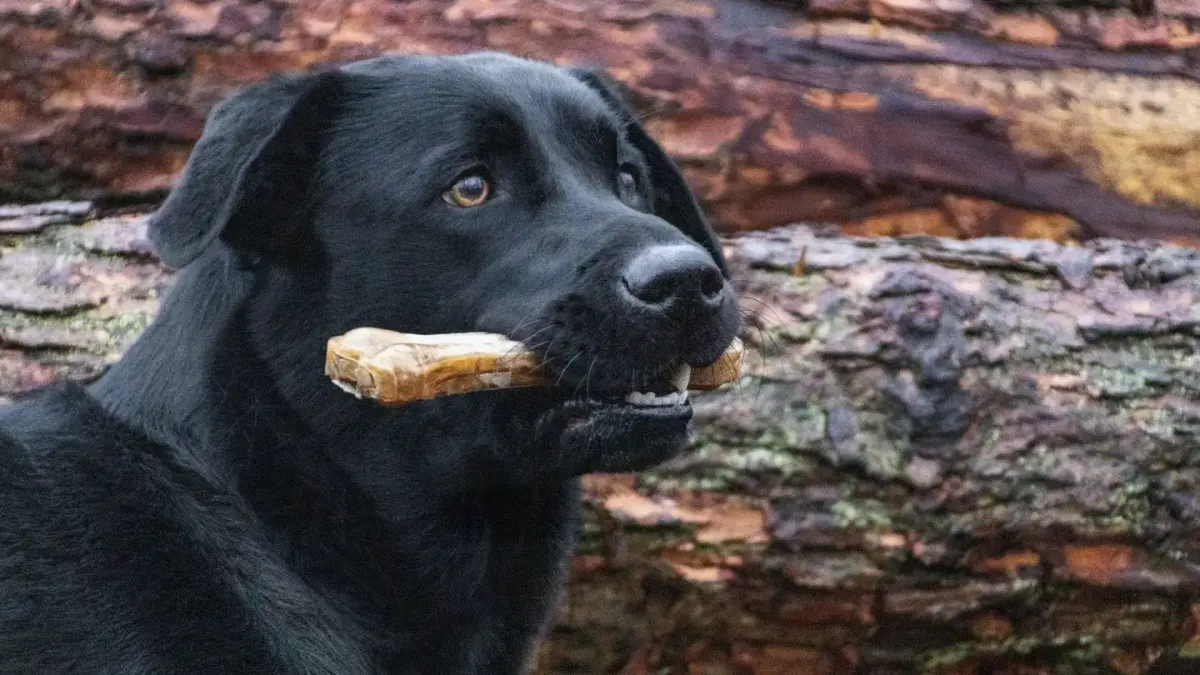
A fourteen-month-old Lab mix named Otis ate through two couch cushions, a TV remote, and one corner of a rug in about five weeks. His owners assumed separation anxiety — the internet told them so — and were ready to buy a calming chew before their first appointment. I asked three questions before we talked about supplements at all: when does it happen, what does his body look like right before, and has anything about his routine changed. It turned out Otis was home alone nine hours a day with a ten-minute morning walk and zero food puzzles. He wasn’t panicking. He was a fit, adolescent retriever with nothing to do. Within two weeks of adding a 20-minute sniff walk before work and rotating three chew items, the destruction dropped by more than half. That case sticks with me because the owners weren’t wrong to worry — they were just solving for the wrong problem.
What boredom-chewing actually looks like
Boredom chewing tends to be steady, almost recreational. It happens whenever the dog is under-stimulated, not just when you leave. You’ll see it mid-afternoon while you’re home working, right after a walk gets skipped, or in a dog that’s otherwise relaxed and eating normally. The targets are often whatever’s available and interesting — shoes, cushion corners, baseboards — rather than anything tied to the exit routine. A bored dog chewing usually settles the moment you engage them: toss a toy, start a training game, and the behavior pauses because the itch was for stimulation, not relief from distress.
Breed and life stage matter here too. Adolescent retrievers, herding breeds, and terriers bred for jobs are overrepresented in the boredom category, and it’s rarely subtle once you look at the dog’s actual daily activity budget. A ten-minute walk and eight hours alone with no enrichment is not enough for most dogs under three years old, regardless of temperament.
What anxiety-chewing actually looks like
Anxiety chewing has a tighter time signature. It clusters around departures — the first 20 to 40 minutes after you leave — and often targets exits: door frames, window sills, crates, anything near where the dog last saw you. It’s usually accompanied by other signs if you go looking: pacing before you leave, drooling, house-soiling despite being fully house-trained, or holes dug at doors and windows. This is a meaningfully different presentation from generalized boredom, and it’s worth reading through the difference between Boredom vs Separation Anxiety if departures are the trigger you keep noticing, because the two get treated differently and conflating them wastes weeks.
The anxious dog’s chewing rarely responds to more exercise alone. You can tire an anxious dog out completely and still come home to a shredded doormat, because the behavior isn’t about surplus energy — it’s a coping response to a specific trigger, most commonly your absence.
A Tuesday pattern, and the test that sorted it out
One of the dogs I worked with, a springer spaniel named Maple, only destroyed things on days her owner left for a full workday — never on the days she worked from home, even when Maple was crated the same number of hours either way. That single data point told us more than a week of guessing would have. The owner had assumed anxiety because “leaving” seemed to be the trigger, but when we mapped it against the calendar, it wasn’t the leaving itself — it was total alone-hours crossing a threshold on full office days, plus a rushed morning with no walk before the owner left. We didn’t touch the crate setup or add a calming aid first. We moved the walk earlier, added a stuffed food toy at departure, and the pattern broke within ten days. The lesson I keep coming back to with clients: don’t diagnose from the mess, diagnose from the calendar and the clock. A single week of honest notes — time chewing started, what happened right before, what the dog’s body was doing — sorts more of these cases than any product does.

Supplements are backup, not a fix for the wrong problem
Once the pattern points toward genuine anxiety rather than under-stimulation, structure/function ingredients can be a reasonable part of the plan — not the plan itself. Chamomile has a long history in traditional herbal care for supporting relaxation, though a review in Biomedicines notes that for most species the evidence is still mainly preclinical or drawn from traditional use rather than large controlled trials in dogs. Ashwagandha has a somewhat stronger human evidence base: a systematic review in Cureus found a moderate positive effect on stress reduction and cognitive performance across multiple randomized trials, which is part of why it shows up in calming formulations at all. L-theanine’s picture is more mixed — a review in Molecular Psychiatry found benefit in most anxiety measures except one study on psychotic anxiety, where a 400 mg/day dose over eight weeks didn’t separate from placebo.
None of that supports handing an under-exercised dog a calming chew and calling it solved. It also doesn’t mean supplements are useless for the dog who is genuinely anxious — it means they’re a support alongside behavior work, not a substitute for figuring out which problem you actually have. If you’re weighing a wearable option against an oral one, the tradeoffs are different enough that they deserve their own comparison; see Thundershirt vs. an Oral Calming Aid for Dog Anxiety for how those actually stack up.
Building the right routine once you know which one you have
For boredom chewing, the fix is almost entirely environmental. Add a real walk before long alone-stretches, not just a bathroom break — 20 to 30 minutes of actual sniffing time does more for a dog’s nervous system than a brisk lap around the block. Rotate three or four chew items so nothing goes stale, and put at least one food puzzle in the alone-time rotation so the dog has a job while you’re gone. Adolescent dogs under two, especially working and sporting breeds, often need more daily engagement than owners expect, and the chewing usually tells you exactly how much of a gap exists.
For anxiety chewing, environment matters less than predictability and desensitization. Practice short, low-stakes departures — grab your keys, walk out, come back in thirty seconds — so leaving stops being a reliable predictor of a long absence. Feed the last meal before you go, not right when you get back, so the dog associates your exit with something good rather than nothing. And don’t skip a professional consult if the destruction is severe, if there’s self-injury, or if the dog is also destroying things around windows and doors specifically — that pattern is worth a conversation with your vet or a certified trainer before you try to manage it solo.
One more thing worth checking while you’re doing this detective work: dogs escalating out of boredom sometimes get into things that are more than a mess. If a bored chewer has counter access, it’s worth a quick reality check on what’s actually dangerous versus just annoying — grapes and onions are two kitchen items that cause real harm and are worth locking away regardless of which chewing category your dog falls into.

Sort it out before you buy anything: your checklist
Before you assume either diagnosis, spend a week collecting real information instead of guessing from the damage.
- Note the exact time chewing starts and stops, for at least five days.
- Write down what happened in the ten minutes before you left, if it clusters around departures.
- Check whether it happens on days you’re home too — if it doesn’t, that’s a strong anxiety signal.
- Look at total daily exercise and mental stimulation against your dog’s age and breed, honestly.
- Watch for pacing, drooling, or house-soiling specific to alone-time, which point toward anxiety rather than boredom.
- Treat the underlying cause first — routine changes for boredom, desensitization for anxiety — and treat any supplement as a support, not a fix.
For related context, read Boredom vs Separation Anxiety: How to Tell the Difference.
For related context, read Barrier Frustration vs Aggression: What’s the Difference?.
Frequently asked questions
Can a dog have both boredom chewing and anxiety chewing at the same time?
Yes. An under-stimulated dog is more prone to stress in general, and the two can overlap, which is exactly why a week of honest notes on timing and triggers matters more than guessing from the mess alone.
Does more exercise fix anxiety chewing the same way it fixes boredom chewing?
Not reliably. A tired dog can still chew out of departure-related distress, because the behavior is a coping response to a trigger rather than surplus energy, so exercise alone rarely resolves it.
Sources
- Chamomile in Animal Anxiety and Stress: A Review — Biomedicines
- Ashwagandha for Stress and Anxiety: A Systematic Review — Cureus
- L-Theanine and Anxiety: A Systematic Review — Molecular Psychiatry