On this page
Herding breeds were not built for a long walk and a nap. I tell owners to expect motion with meaning, because a Border Collie, Australian Shepherd or Cattle Dog wakes up wired to scan, stalk, chase and control movement. My disputed premise is simple: most “hyper” herding dogs are not under-exercised, they are under-employed with no clear off switch.
That distinction changes the plan. Adding miles often builds a fitter athlete who still paces, whines, nips heels or rearranges the couch at 7 p.m. Giving that same dog predictable work for eyes, nose and brain, paired with rehearsed rest, may help support calmer behavior and normal stress recovery.
A 14-month-old Australian Shepherd living in an apartment illustrates the decision point. She received two 45-minute leash walks daily plus weekend fetch, yet barked at hallway noise, spun after shadows and chewed baseboards between 6 and 9 p.m. Her baseline weight held at 42 pounds with good body condition, which told me fuel was not the problem. We kept total movement similar but replaced the second walk with 20 minutes of scent work, food puzzles and a place-stay chew, and night pacing dropped from three hours to under 40 minutes within 10 days.
The physiology explains why. Herding behavior is a modified predatory motor pattern: orient, eye, stalk, chase, grab, bite. Selection truncated the sequence so the dog rehearses the start on loop without the consummatory end. Visual motion spikes sympathetic arousal and locomotion, while sniffing, chewing and licking recruit parasympathetic tone and slow the system down. Without that downshift, arousal stacks across the day.
Work the eyes and legs first, then require the nose to finish
Morning should discharge locomotor drive in a controlled job. Think herding-ball pushes in the yard, a structured flirt-pole with down-stays between reps, or three short rounds of fetch with a sit and eye contact before each throw. Keep it to 15 to 25 minutes and end while the dog still wants more. That preserves learning and prevents the cortisol hangover that fuels midday reactivity.
Then pivot to nose work. Scatter half of breakfast in grass over a 30-foot strip, hide kibble in rolled towels, or lay a three-box find-it trail. Ten minutes of sniffing tires a herding brain more reliably than another mile. Guidance on normal social behavior and behavioral needs from Cornell University College of Veterinary Medicine frames this well: predictable outlets for species-typical behavior prevent frustration-driven habits.
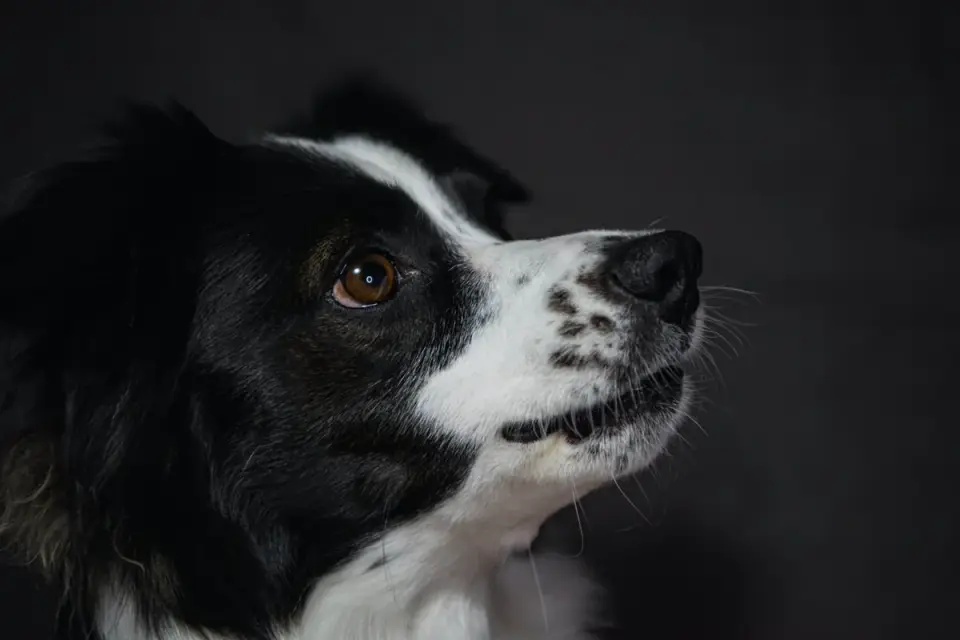
A 3-year-old Border Collie mix from a farm property shows where more exercise fails. The owners added a 5-mile morning run to fix fence chasing, and the dog got leaner and faster but started circling the ATV and nipping visiting children within two weeks. Distance had strengthened legs and rehearsal without teaching disengagement. We cut the run to 2 miles, added boundary training, a morning herding-ball session with recalls through the chase, and a midday frozen Kong on a cot. Fence sprints fell because the job had rules and a defined end.
Train micro-skills in daylight gaps, not marathon sessions
Herding dogs learn in repetitions, not lectures. Use two or three five-minute sessions: place to mat while you make coffee, heel position past the driveway, leave-it around tossed toys, recall away from squirrels on a long line. Reward stillness as heavily as motion. The American Veterinary Medical Association emphasizes prevention through training and environment alongside veterinary care, which is exactly what these micro-reps do.
Rest is trained, not assumed. After lunch, crate or gate behind a chew in a dim room for one to two hours. Many owners skip this because the dog “should be tired,” then wonder why evening brings mouthing and demand barking. If you are seeing evening escalation, compare notes with Boredom vs Separation Anxiety: How to Tell the Difference and Is My Dog Chewing Out of Boredom or Anxiety? — herding adolescents often look anxious when they are simply unpracticed at settling.
Evenings are for problem solving. Rotate puzzle feeders, snuffle boxes, trick chains or a short urban agility loop over a bench and around poles. Keep evening arousal moderate so sleep follows.
What would change my mind
If controlled trials showed that aerobic volume alone normalized herding-breed behavior better than combined mental work plus rest training, I would rewrite this routine. Current behavior literature and clinical pattern do not show that. What we see is fitter dogs with the same rehearsed loops, plus more orthopedic wear.
A senior case bends the usual advice. A 9-year-old Cattle Dog with stiff hips could no longer do ball work or stairs, yet paced and vocalized for an hour after dinner. Instead of pushing movement, the owner shifted to three 10-minute nose games on one level, gentle weight-shifting exercises on a mat, and a warm chew on an orthopedic bed at 8 p.m. Night vocalizing shortened to occasional sighs. The job stayed; the joints did not pay for it.
Supplements sit beside this foundation, not in place of it. Ingredients marketed for relaxation are best viewed as support for a consistent routine of movement, training and sleep, within normal structure and function. They do not teach an off switch.
Your owner checklist to close the day
Morning job with rules: 15 to 25 minutes of chase or push play with starts, stops and recalls. Midday nose and chew: scatter feeding, snuffle or find-it plus a long-duration chew on place. Micro-training: two five-minute skill reps focused on impulse control. Protected rest: one to two quiet hours in the same spot daily. Evening puzzle: rotate feeders and tricks, then lights low. Track what matters for two weeks: minutes of pacing, number of demand-bark episodes, and sleep onset time. If arousal climbs, shorten chase play and lengthen sniff and rest before you add miles. For mouthing that persists during play, review How to Stop Puppy Biting and Mouthing for handling mechanics that keep herding nips from becoming habit.
Calm is a trained sequence for these dogs: scan, work, settle, sleep.
Frequently asked questions
How much exercise does a high-energy herding dog actually need each day?
Most healthy adults do well with 60 to 90 minutes of combined physical activity plus 20 to 30 minutes of nose work, training and chewing, split across the day. Adjust for age, joints and heat, and track settling behavior rather than chasing a mileage goal.
Why does my herding dog get wilder after long fetch or running?
Repetitive chase without stops rehearses arousal and builds fitness without teaching disengagement. Shorten chase bouts, insert obedience between reps, finish with sniffing and a place-stay chew, and protect a daily rest period.
Sources
- Veterinary behavior and training resources — Cornell University College of Veterinary Medicine
- Pet care and behavior resources — American Veterinary Medical Association