On this page
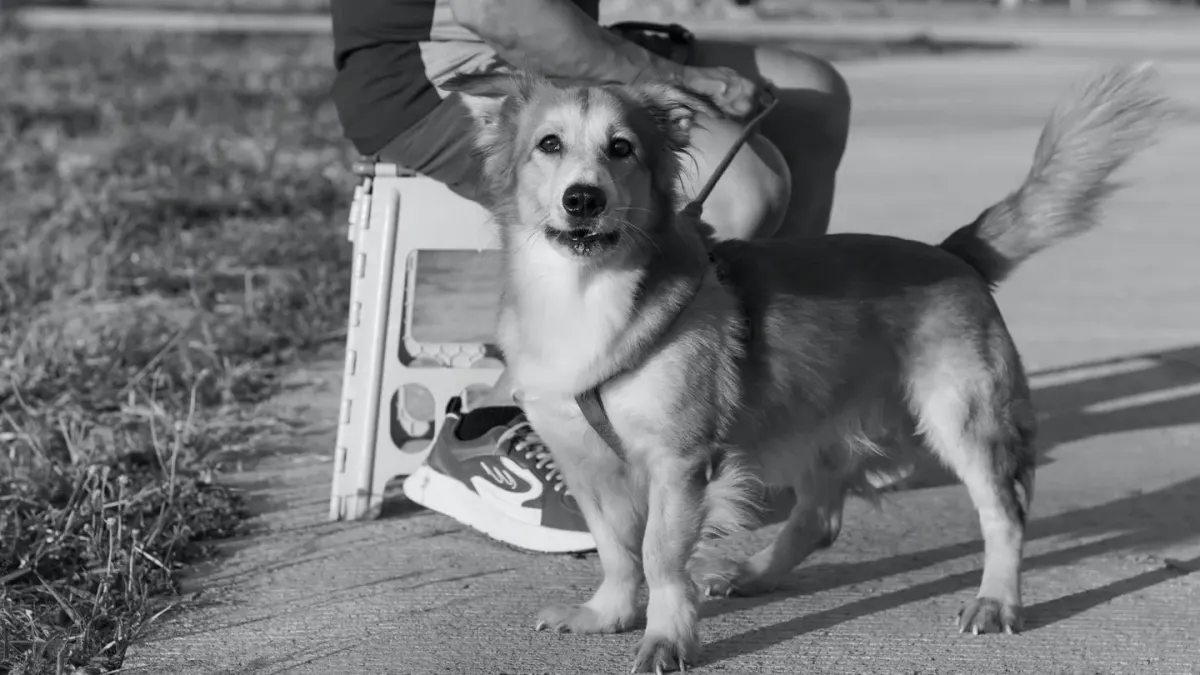
You notice it during fetch in the backyard. Your 4-year-old terrier mix freezes at the edge of the grass, one front paw hovering two inches off the ground, head tipped, ears forward, tail still. She holds that pose for six seconds while a squirrel chatters along the fence, then glances back at you as if asking what happens next. That pause is the decision owners ask me about most: is she scared, hurt, focused, or just waiting for a cue. The paw alone cannot answer it, and that is where we start.
I start from anticipation, not anxiety
My premise after years of counseling is simple. A raised front paw usually means the dog is gathering information before choosing what to do. Pointing breeds made it famous, but any dog can do it when torn between curiosity, caution, and waiting for direction. Expectation first: look for an attentive, paused dog rather than a fearful one, then let the rest of the body confirm or correct you.
That frame keeps owners from overreacting. A paw lift is common during scenting, listening, watching prey, learning a new cue, or coping with uncertainty. It becomes concern only when the pattern around it changes. A dog that suddenly holds up a paw on walks, avoids putting weight on it, licks the foot, or yelps needs a baseline check for soreness. Behavior is the signal. Comfort is the foundation.
The American Kennel Club describes this kind of whole-body reading well, reminding owners to weigh ears, eyes, mouth, tail, and posture together rather than judging one gesture in isolation.
Read the whole dog in five seconds
Pause and scan from nose to tail. A soft, wiggly body with a slightly open mouth and loose tail usually means engaged curiosity. A hard stare, closed mouth, forward ears, and high still tail lean toward intense focus. A tucked tail, flattened ears, crouched weight shifted backward, lip licking, and whale eye lean toward worry.
Context matters as much as muscles. In the kitchen the same lift may mean waiting for a treat cue. At the park it may mean tracking a smell. During petting it may mean uncertainty about handling, which overlaps with what I describe in Why Does My Dog Growl When I Pet Him? A Guide to Reading the Warning. Note what happened right before the freeze and what happened right after.
Limping is different from lifting.
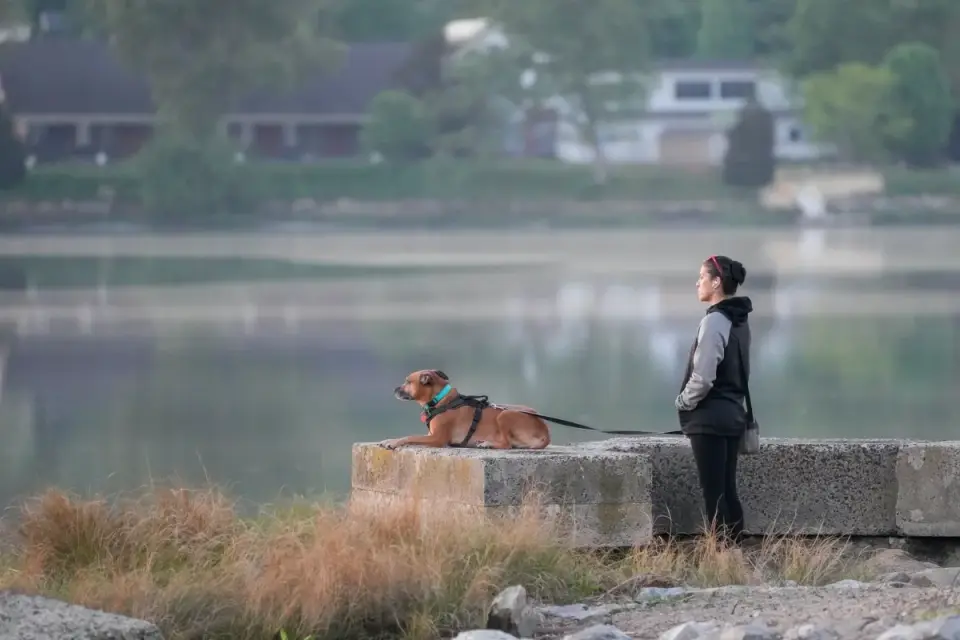
If the paw never touches down for three steps in a row or the dog sits out a routine 20-minute walk they normally finish, treat it as possible discomfort and call your veterinarian rather than training through it.
When focus tips into fixation or worry
Last spring I talked through a tradeoff with an owner of a young herding mix who locked onto joggers from about 12 feet away. Paw up, body rigid, eyes fixed, then lunging after four seconds of holding still. For two weeks the owner tried to wait it out with extra distance and treats tossed after the reaction, counting seven walks where the sequence repeated without change. The treats were not wrong, but the timing rewarded the explosion, not the pause. We shifted the job earlier: mark and turn away at the first head turn, before the paw planted. The lesson I keep is that focus is useful only if the dog can still hear you.
That is also where arousal and boredom blur. A dog that cycles between paw lifts, whining, and chewing the leash may be understimulated rather than disobedient, a pattern I also see in Is My Dog Chewing Out of Boredom or Anxiety?. The VCA Hospitals guide to canine body language makes a similar point about looking for clusters of signals over time instead of one frozen moment.
Bending the rule for sensitive and senior dogs
Not every dog fits the confident pointer picture. A rescue senior I followed up by phone had spent three nights pacing the living room, lifting a front paw each time the furnace clicked on, then settling only when the owner sat on the floor nearby. Forcing a sit-stay or adding more obedience would have raised pressure. Instead we bent the usual focus plan toward low-stress handling: keep a predictable bedtime routine, lower nighttime noise, offer a snuffle mat for ten minutes before bed, and let the dog choose distance from the sound.
That softer approach fits dogs with noise sensitivity, new-home jitters, or stiff joints. Keep movement easy, weight steady, and the home layout predictable. Calm routines, gentle massage around the shoulders if the dog invites touch, and short sniff walks may help support relaxed behavior alongside training. If worry persists, talk with your veterinarian about the full picture before adding any supplement.
Research on how dogs use subtle facial and body signals supports this careful reading. A widely cited study on facial movement in domestic dogs found dogs produce more expressive faces when a person is attentive, which reminds us that our presence shapes what we see.
You can read more in Facial expression of emotion in dogs from PLOS ONE.
Your owner checklist to close the week
Start with comfort. Check paws, nails, and gait on a flat surface. Film a 30-second video if the lift looks uneven so your veterinarian can see the baseline.
Then run the five-second scan three times this week. Write down trigger, body cluster, and recovery time. Most curious pauses resolve in under ten seconds. Longer freezes, repeated avoidance, or growling deserve slower training and, for handling worries, the steps in Boredom vs Separation Anxiety: How to Tell the Difference.
What would change if you treated the next lifted paw as a question instead of a conclusion?
Sources
- How to Read Dog Body Language — American Kennel Club
- Facial expression of emotion in dogs — PLOS ONE