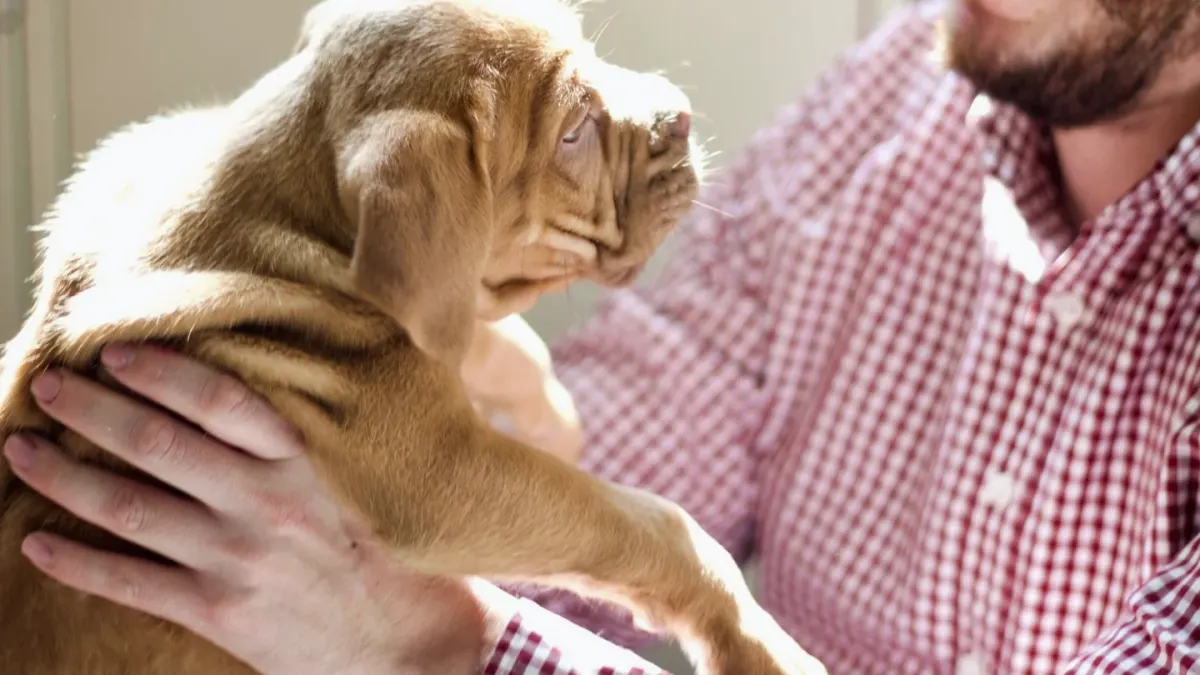
You step through the front door with groceries in both arms, and your 4-year-old, 62-pound Labrador mix freezes at the hallway rug. His tail lifts to about back height and sweeps side to side in a wide, unhurried arc, one beat every two seconds. Ears sit neutral, mouth closes, weight shifts slightly forward and then back. In my exam room I counsel owners to treat that moment as information first: he is not yet relaxed and happy, he is gathering data during those first 20 seconds before he decides to close the distance.
My starting premise is simple, and it argues with the old playground rule. A slow wag is thinking, not friendliness.
Most of us learned wagging equals happy. In practice, speed tells you about arousal and deliberation, not affection. A broad, slow sweep with a fairly still body often means uncertainty, mild wariness, or careful social assessment. A loose, full-body wiggle with a fast, wide wag means something quite different. I want you to expect ambiguity first, then let the rest of the body sort it out.
What changes the meaning is everything around the tail: height, looseness, and the rest of the body.
Tail height sets the emotional temperature. Held near neutral or a little below the backline with a slow sweep, many dogs are simply unsure. Raised stiffly above the backline with slow, measured sweeps, the dog may be alert, conflicted, or guarding space. Tucked low with only a small slow flick often reflects worry or appeasement. The PubMed record for work on asymmetric tail-wagging responses by dogs to different emotive stimuli reminds us that even wag direction can vary with emotional valence, which is why I do not read speed alone.
That pause matters.
Looseness is your next check. A soft spine, relaxed lips, play-bows, and weight that flows side to side may help support a friendly read. A stiff spine, hard stare, closed mouth, forward ears, or a tail that looks like a metronome suggests tension. The Merck Veterinary Manual overview in Social Behavior of Dogs describes how posture, ears, mouth, and tail work as a combined display, and that combined picture is more reliable than any single signal.
You notice it best on walks when another owner asks, “He is wagging, so he is friendly, right?” Last spring I watched a composite case I use for teaching: a 6-year-old, 38-pound cattle dog mix on a 6-foot leash at the edge of a park trail. An unfamiliar off-leash dog trotted to within 15 feet and the cattle dog’s tail rose just above level and moved in slow, 3-inch sweeps. Her owner counted four sweeps in about 10 seconds, saw her mouth close and her front legs brace, and chose to arc 20 feet off-trail instead of allowing a nose-to-nose greeting. The other dog passed, her tail dropped, and she shook off and re-engaged for a treat. The decision was management, not correction.
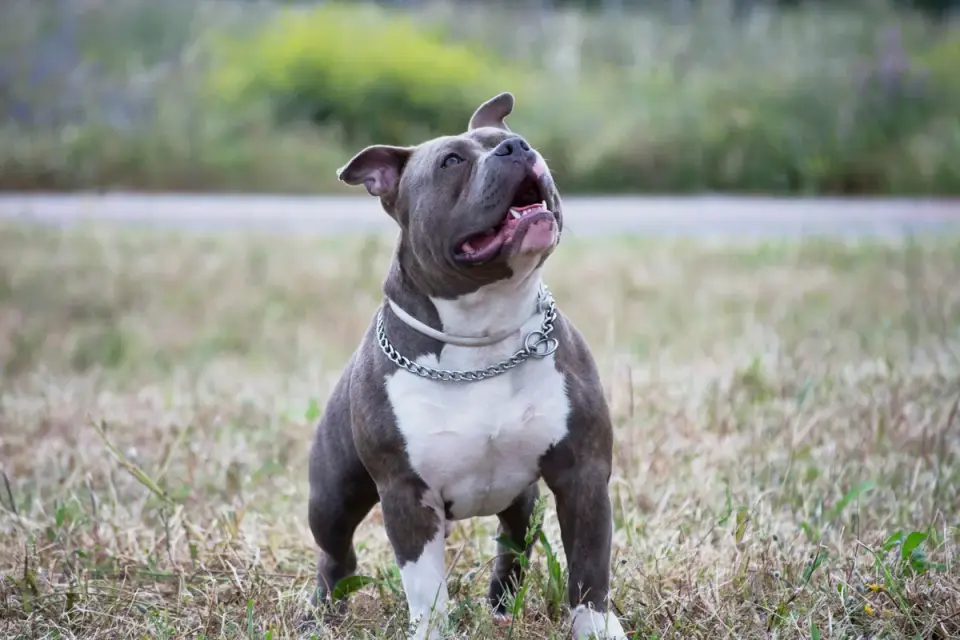
How to answer a slow wag without pushing your luck is where movement and setup do the heavy lifting.
Stop forward motion and turn slightly sideways. Let the dog close distance if he wants to. Keep your hands low, avoid leaning over the head, and speak once in a low, even tone rather than repeating his name. If the wag stays slow and the body stays stiff for more than a few seconds, add distance calmly and offer a familiar job such as a sit, a touch, or a find-it toss 6 to 8 feet away.
That failed approach I see often involves food luring a worried dog closer. An owner with a 9-month-old, 51-pound adolescent shepherd mix tried it at a family cookout with 12 guests in the backyard. The puppy showed a low, slow wag under the picnic table, took three treats in a row while lip-licking, then retreated on the fourth approach and barked from behind a chair. The treats had not changed how he felt; they had only paid for proximity he could not sustain. We changed the plan to a long line, a mat 25 feet from the grill, and brief check-ins every 10 to 15 minutes, and his ability to settle improved across two weekends. If you want language for the difference between conflicted appeasement and true ease, read Why Does My Dog Growl When I Pet Him? A Guide to Reading the Warning and Boredom vs Separation Anxiety: How to Tell the Difference.
There are times the usual “give space” advice has to bend. A senior dog with stiff hips may stand and wag slowly not from social worry but because rising hurts. I think of a composite 11-year-old, 74-pound retriever type seen after a winter of fewer walks, down from 3 daily outings to 1 short block loop. At the door his tail moved in slow sweeps while he stayed seated, eyes soft, hind legs slow to unfold over about 30 seconds. Pushing a greeting would have missed the point. His owner learned to kneel sideways, let him stand in his own time, add rugs over 12 feet of hardwood hallway, and keep greetings short before a brief potty walk. For dogs that rehearse the same doorway tension daily, Barrier Frustration vs Aggression: What’s the Difference? and Is Humping a Dominance Behavior or Just Excitement? help separate arousal at thresholds from intent.
Your slow-wag owner checklist to close the week builds a calmer baseline.
Count for three seconds: note speed, height, and stiffness before you act. Scan ears, eyes, mouth, and weight shift, not just the tail. Pause or add 10 to 20 feet of distance if the body looks braced. Reward disengagement, soft eye blinks, and voluntary check-ins on a loose leash. Keep routines predictable with regular low-impact movement, steady weight, non-slip footing, and quiet rest spots, which may help support ease in the body alongside training. Track patterns for seven days — doorway, sidewalk, visitors — and bring that log to your veterinarian or trainer if slow wags cluster around specific people, dogs, or handling.
Frequently asked questions
Does a slow tail wag mean my dog is happy?
Not by itself. A slow, wide sweep often means your dog is assessing the situation. Look for a loose body and soft face for friendliness, or stiffness and staring for tension.
What should I do when my dog wags slowly at a stranger?
Pause, turn slightly sideways, and give space. Let the dog choose to approach, and redirect to a simple cue if stiffness lasts more than a few seconds.
Is a slow wag different in older dogs?
It can be. Senior dogs may wag slowly while rising because of stiffness. Allow extra time, greet at their level, and note if slowness clusters around movement.