
On this page
At sixteen, a dog does not simply slow down once — he shifts a little almost every week, and your job becomes noticing those small shifts before they become hard days.
Mabel, a 14-pound Dachshund mix now sixteen years and three months old, started taking the long way around the kitchen in late September. Her owner first noticed it on September 22, when Mabel paused at the rug edge, tested it twice with a front paw, then walked around rather than across. By October 1 she was sleeping until 8 a.m. instead of 7, skipping her first bark at the mail slot, and needing a lift into her bolster bed after dinner. The decision was not about one big intervention. It was whether to keep her beloved morning loop or trade it for two short potty strolls plus bodywork and heat support, and run that everyday plan alongside her regular veterinary care.
That trade is my disputed premise for dogs this age: manual-medicine counsel — acupuncture, Tui-na bodywork, and careful animal chiropractic assessment — belongs alongside conventional senior care from the start, not as a last resort. Conventional care finds pain, organ change, vision loss, and neurologic decline. Hands-on care reads how the body is compensating day to day.
Why sixteen feels different from fourteen
At fourteen many dogs still rally. At sixteen the margin is thinner. Muscle fades faster during rest, nails overgrow because walks shorten, sleep fragments at night and deepens all day, and thirst, appetite, and housetraining can swing without much warning.
The American Veterinary Medical Association notes that senior dogs benefit from more frequent veterinary exams, close attention to weight and mobility, and prompt workups when behavior changes. That matches what I see in practice: owners who track food intake, water, sleep, stumbles, and nighttime wakeups catch urinary infections, blood pressure shifts, and pain flares weeks earlier.
Keep a one-page daily log on the fridge. Note wake time, meals eaten, water refills, walks, falls or slips, panting at rest, and overnight outings. Patterns matter more than any single day.
Mornings tell you what the joints will allow
Start with footing, not exercise. Runners from bed to door, a non-slip mat under food bowls, and a ramp over the two back steps will do more than any single walk. Let the dog set the pace out the door and watch the first 30 steps closely.
Stiffness that eases after a minute suggests a different morning than dragging knuckles, crossing hind feet, or sitting down mid-walk. Those neurologic signs deserve a prompt exam rather than pushing through. For more on that distinction, see Dog Hind Leg Weakness: A Neurologist’s Guide to Sorting Causes and Building a Home Plan.
For a dog who still wants to move, I favor several tiny outings over one long one.
A failed approach I see often involves good intentions and too much weekend. A twelve-year-old, 68-pound Lab-type neutered male had been mostly couch-bound all winter, then his family tried to make it up with three long park walks in one Saturday to rebuild strength. He managed the first loop, lagged on the second, and refused the third after 200 yards. That night he panted until 2 a.m., could not settle on either hip, and needed help to stand Sunday morning. More had not built fitness; it had spent a week of reserves in an afternoon. We replaced the long marches with four five-minute sniff walks, warm bedding, gentle Tui-na along the back and hind limbs, and a recheck with his primary veterinarian for pain control. His eagerness returned once the dose of movement fit the dog in front of us.
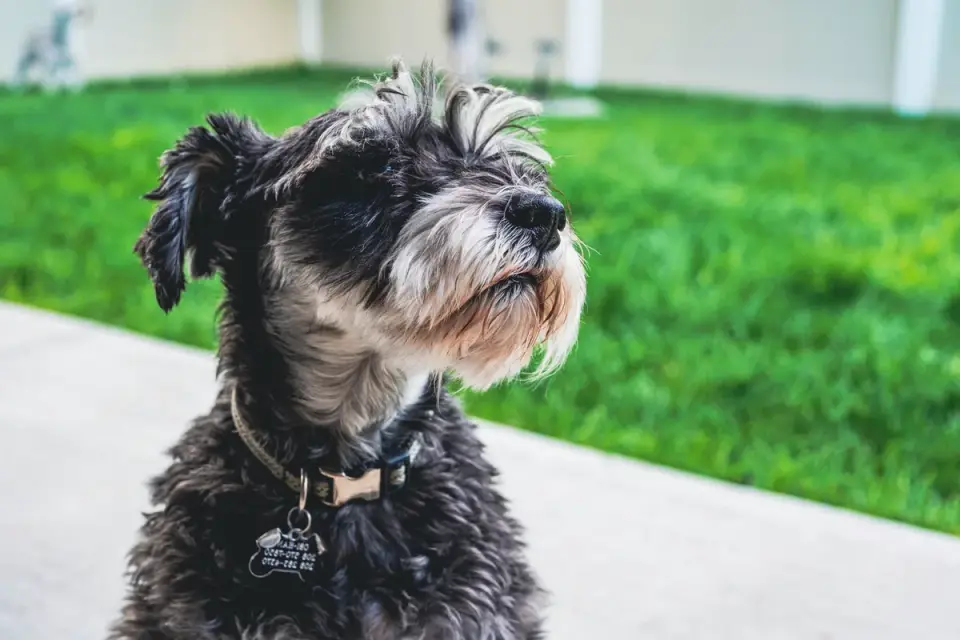
Short still counts.
Food, water, teeth, and the changing senses
Smell and hearing fade, and that changes manners that look like stubbornness. A dog who startles when touched from behind may simply not have heard you coming. Approach in his line of sight, use a soft floor vibration or light touch on the shoulder, and keep verbal cues short and low. Our piece on Why an Old Dog Startles at Sounds He Used to Ignore walks through that hearing shift.
Appetite at sixteen is often about texture, temperature, and timing. Warm the food slightly to release aroma, offer smaller meals three times daily, raise the bowl so the neck and shoulders do not have to dive, and track weight. Even a pound lost on a small dog is significant. VCA Hospitals emphasizes routine monitoring of appetite, weight, dental comfort, and mobility in senior dogs, with early veterinary follow-up when any of those trends slips.
Dental pain hides here. Dropping kibble, chewing on one side, or walking away hungry can reflect mouth pain rather than pickiness. Do not force hard chews or crude at-home dentistry. Ask your veterinarian about a mouth exam and safe feeding textures.
Supplements at this age may help support normal joint comfort, antioxidant defenses, and everyday cellular function as part of a broader plan with movement, weight control, and veterinary care, never as fixes on their own. Keep expectations modest, introduce one change at a time, and tell your veterinarian everything you give.
Nights, mind, and the house that helps
Nighttime restlessness is common. Dogs pace, pant, stare, get stuck behind furniture, or need out at 1 and 4 a.m. Keep lights low, keep the path to water and the door clear and gated from stairs, and offer a late potty break plus a small bedtime snack if your veterinarian agrees.
Cognitive change tends to show as altered sleep-wake cycles, house-soiling in a previously clean dog, less interest in greeting, or standing and staring. Rule out medical causes first, especially urinary infection, kidney shifts, pain, and vision loss. Then simplify the environment: same bed, same bowl spot, same door, same short phrase for outside.
Cold magnifies morning creakiness for many old dogs, so winter routines often need extra warm-up time and traction indoors. See Does Cold Weather Make a Senior Dog Seem Stiffer and Slower Than Usual?
Where the usual advice has to bend is the multi-level home with a dog who still insists on closeness. A fifteen-year-old, 22-pound terrier mix lived for sleeping upstairs with her person, but the staircase had become a nightly fall risk and baby gates only increased her crying. Instead of forcing isolation downstairs, the owner moved a twin mattress to the living room for three weeks, carried a low-sided orthopedic bed between rooms during the day, and used a chest-supported harness for the four porch steps to potty. Night wakeups dropped from four to one, the dog stopped attempting the stairs, and the owner actually slept. The principle stayed — prevent falls and protect rest — but the setup followed the bond, not the floor plan.
The owner checklist I leave you with
Conventional care plus hands-on support works best when the home does its part every day. Run this short list each morning and evening. Call your veterinarian promptly for new panting at rest, collapse, repeated vomiting or diarrhea, straining to urinate, sudden blindness, seizures, or inability to rise.
Keep movement tiny and frequent, weight steady, footing secure, food warm and easy to eat, water close, nights predictable, and notes brief but daily. Acupuncture, Tui-na, and chiropractic-informed handling may help support comfort and body awareness alongside that medical plan, especially when stiffness clusters in the morning or after naps. That combination — close watching at home and both kinds of care in clinic — is what gives a sixteen-year-old dog more good hours in each day.
Frequently asked questions
How often should a 16-year-old dog see the veterinarian?
Most seniors do best with exams at least every six months, sooner if appetite, weight, thirst, mobility, breathing, or mentation changes. Bring your daily log and full supplement list.
How much exercise does a 16-year-old dog need?
Let the dog set the dose. Many do best with brief potty strolls and sniff time spread through the day, stopping before fatigue, panting, or lagging. Ask your veterinarian to tailor movement to heart, joint, and neurologic status.
Why is my old dog restless at night?
Pain, need to urinate, anxiety, vision loss, and cognitive change can all fragment sleep. Keep a consistent bedtime routine, easy access to water and outside, and report new pacing, panting, or vocalizing promptly.
Sources
- Senior Pets — American Veterinary Medical Association
- Senior Dog Care — VCA Hospitals