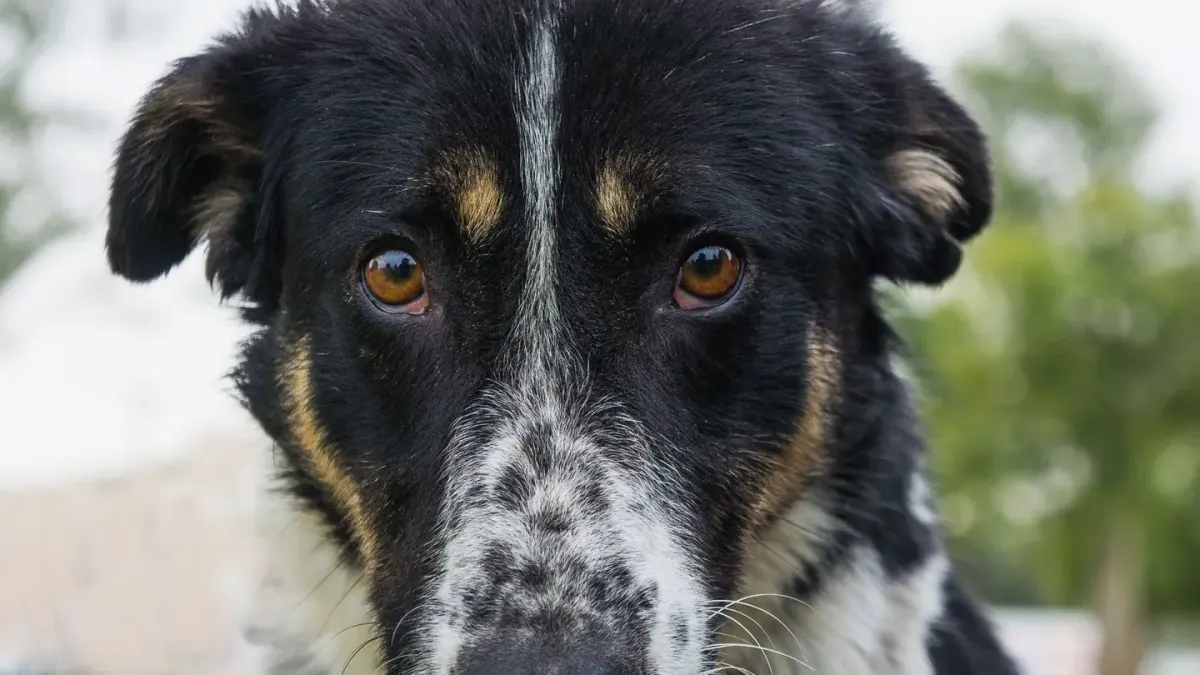
It is hard to watch a dog you love choose the bed over the bowl, and wonder if asking for movement is kind or too much.
My disputed premise is simple: for most stiff, tired seniors, a well-placed food puzzle invites more comfortable movement than a longer walk does. Sniffing lowers the emotional barrier to standing, shifting weight, and taking a few steps, and those small steps maintain comfort better than forced exercise. I would rather see five minutes of foraging with rest breaks than a reluctant loop around the block.
I sat with a family last fall who were weighing this exact choice for their 13-year-old mixed-breed dog. She had started skipping her evening kibble, sleeping through the doorbell, and needing help rising on slick floors after two slipped attempts in one week. They worried a puzzle would frustrate her. We set three snuffle spots eight feet apart down a carpeted hallway, using half her dinner, and let her work at her own pace for six minutes. She stood without coaxing, walked 24 feet total with pauses, and finished the food she had refused from the bowl the night before.
Why sniffing comes before steps for aching dogs
Sniffing changes posture and motivation. The head lowers, weight shifts forward through the shoulders, the dog breathes slowly, and the nervous system settles enough to try a step. Movement specialists often pair this kind of nose work with weight management and joint support because a dog that moves a little, eats a little, and rests well holds condition better. The American Veterinary Medical Association notes that senior dogs need adjusted routines, softer exercise, and close attention to comfort, which is exactly what puzzle-based movement allows.
This is also why placement matters more than difficulty. Put the puzzle where one or two steps are needed, not across the house.
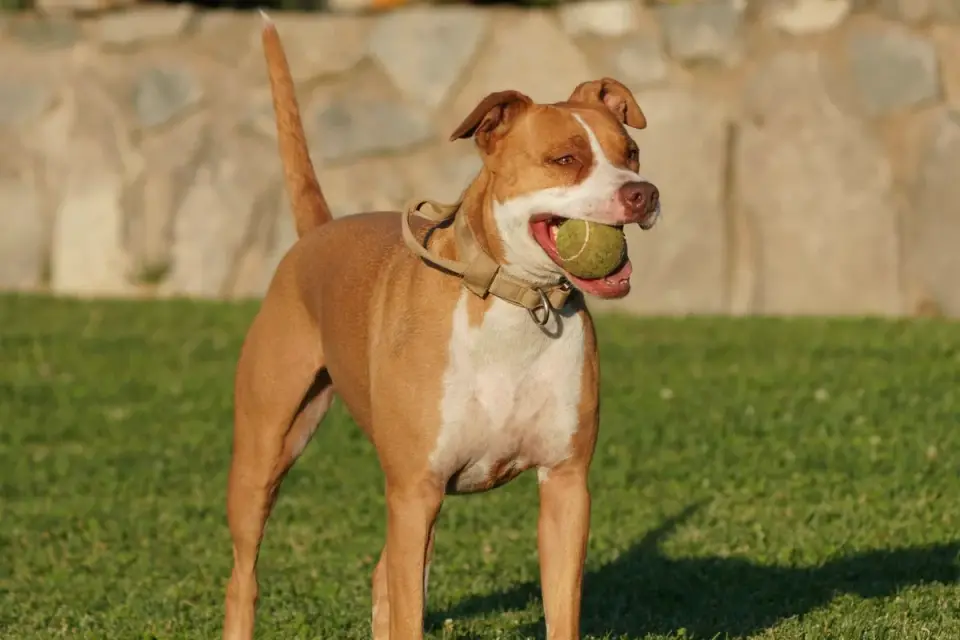
Three low-lift puzzles that invite walking without wearing joints out
The hallway trail. Lay four to six small piles or a snuffle mat in a short line on carpet or yoga mats. Let your dog walk, sniff, eat, and turn at his own pace. Keep distances short and footing secure.
The two-room shuffle. Place a rolling dispenser in the next room, just out of sight. Your dog hears it, stands, walks a few steps, nudges it, eats, and returns to rest. One trip is enough.
The raised-and-lowered search. Use two stations, one at nose height on a low stool and one on the floor. The gentle head-up, head-down motion may help support neck and shoulder range without stairs or jumping. VCA Hospitals reminds owners to count puzzle food as part of daily calories, so use meals, not extra treats, for these games.
A client once tried the opposite approach with her 11-year-old 52-pound beagle mix who howled at night and paced between 2 and 4 a.m. for four nights in a row. She bought a complex sliding puzzle with lids and levers, thinking harder would tire him out. He pawed once, whined when a lid stuck, then walked away and refused the room for two evenings. We replaced it with a muffin tin covered loosely with tennis balls, using a quarter-cup of his breakfast, and he nudged two balls aside in about three minutes before lying down to chew. The lesson held: for seniors, too much challenge stops movement, while an easy win extends it.
For more on matching difficulty to your dog, see Food-Dispensing Toys vs. Treat Balls: Which One Actually Fits Your Dog? and Puzzle Feeders vs Slow Feeder Bowls: What Each One Actually Fixes.
When standing hurts and the usual advice has to bend
Not every dog should be lured to his feet with food. Dogs with unstable hind limbs, recent falls, uncontrolled pain, dizziness, or post-surgical restrictions need rest first and a veterinary plan before any movement game.
I remember a 9-year-old shepherd mix seen in late winter who could no longer rise on hardwood after a two-week decline that ended with him eating only while lying down. His family wanted the hallway trail I suggest to most dogs. We bent the plan entirely. For ten days we brought the enrichment to him, scattering kibble in a towel on his orthopedic bed and doing gentle range-of-motion touch while he ate lying down. Once pain medication was adjusted and he could stand for 30 seconds without buckling, we added a single mat three feet from his bed. He walked those 3 feet, ate, and walked back, and that was the whole session.
If your dog lies down to eat, pants heavily, or avoids the puzzle two days in a row, pause and call your veterinarian. Comfort comes first.
Learn how to wind down after play in Why Your Dog Won’t Settle in the Evening and how to structure alone-time enrichment in How to Keep a Dog Entertained While You’re at Work.
Your gentle-movement checklist for this week
Keep sessions short and readable. Offer one puzzle trail a day, using part of a meal, on non-slip footing, for five to eight minutes. Watch for soft signs of ease: slower breathing, loose tail, willingness to take another step, then rest.
Stop if you see stiffness that lasts more than an hour after, slipping, vocalizing, or refusal. Track what helped, share it with your veterinary team, and let supplements, weight care, and pain control fit around movement rather than replace it.
The goal is not more steps for their own sake. The goal is a dog who feels safe enough to rise, curious enough to sniff, and comfortable enough to settle afterward.
Frequently asked questions
How long should a food puzzle session last for a senior dog?
Five to eight minutes using part of a meal is enough for most seniors, with rest breaks and an end while interest remains.
What if my senior dog will not stand for a puzzle?
Bring an easy snuffle to the bed, keep sessions lying down, and ask your veterinarian about pain and mobility before encouraging standing.
Sources
- Senior Pet Care — American Veterinary Medical Association
- General Feeding Guidelines for Dogs — VCA Hospitals