
On this page
For aging joints, the nose is the most joint-friendly leash I have. Sniffing recruits the neck, shoulders, forelimbs and hind-end weight shifts without asking for speed, stairs, or long duration, and that is why I prioritize nose-led movement over extra distance for most seniors.
I saw that tradeoff clearly last fall with a 12-year-old, 54-pound mixed-breed who had started refusing the evening block. Her owner worried she needed longer walks to stay mobile. We replaced one 20-minute street loop with three 4-minute kitchen searches spread between dinner on October 14 and bedtime, using kibble in muffin cups and cardboard. By October 21 her owner counted 11 willing get-ups from bed for searches versus 4 the prior week, with less panting afterward. The decision was not more miles. It was more reasons to stand, shift, and walk a few feet with purpose.
Sniffing Counts as Exercise for a Stiff Body
Stand and sniff still loads muscle. The dog lifts the head, braces the forelimbs, shifts weight rearward, takes 5 to 15 slow steps, pauses, turns, and repeats. That pattern maintains range of motion and encourages circulation without impact.
Research on nosework supports the behavioral side of that payoff. Dogs given regular scent-search opportunities showed more optimistic responses in a judgment-bias test, reported in Applied Animal Behaviour Science, which aligns with what owners describe at home as brighter engagement and willingness to move again later.
Keep sessions short and successful. Start standing on a non-slip rug. Scatter, let search, then rest.
Three House Setups That Add Steps Without Strain
Work on traction. Lay yoga mats or runners between search spots. Keep water nearby. Use the dog’s regular dinner kibble so enrichment does not unbalance the ration.
Try these in order. Give a rest break between rounds and stop while the dog still wants more.
Scatter trail. Toss 10 to 12 kibbles in a 6-foot line across the kitchen so the dog walks the line nose-down. Progress to an L-shape around a chair to add two gentle turns.
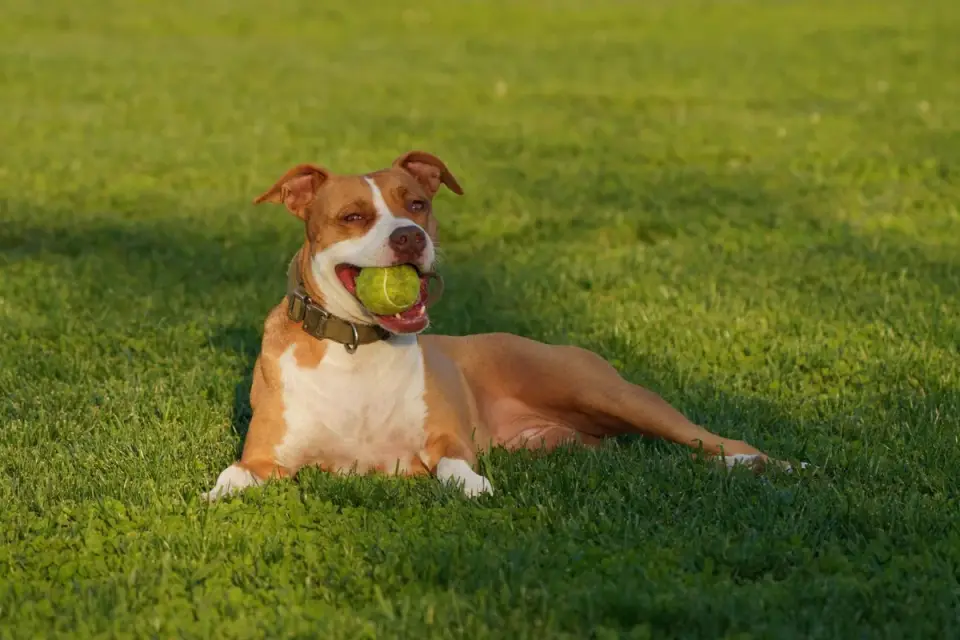
Muffin-tin pause. Place kibble in 4 to 6 cups, cover some with tennis balls, and set the tin on the floor. The dog must stand, nudge, reposition feet, and sit or lie to reset. For ideas on matching difficulty to attention span, compare Chew Toys vs Puzzle Toys for Boredom.
Box row. Set three open boxes 3 feet apart down a hallway with one treat in only one box. Walk with the dog to each box, cue find it, and let failure stay low-cost. If evenings are when restlessness peaks, borrow timing ideas from Why Your Dog Won’t Settle in the Evening.
The wrong way still looks like enrichment. I worked with a family with a 10-year-old beagle mix who loved food puzzles so much they built a tall cardboard castle that required rearing, jumping, and tearing for 25 minutes straight. He ate three extra handfuls of treats for two nights, then skipped his morning walk and stiffened on the stairs. We had traded joint-friendly motion for frustration, calorie surplus, and a shredding mess that left him sore. We scaled back to floor-level searches, weighed his search kibble out of dinner, and capped tearing games to one supervised box per week.
That failure sharpened what I now reject: harder does not mean better for seniors. Food therapy and supplement science may help support normal joint structure, daily activity, and recovery within a complete diet, but no powder compensates for a game that demands painful postures or floods calories. Weigh what a supplement can realistically do for diet, mobility, and recovery — a small assist alongside weight control and movement, grounded in nutritional evidence, framed as may help support whole-patient health rather than a fix.
When the Usual Nose Game Must Bend
Some dogs cannot do floor searches. For a 13-year-old 18-pound terrier with advanced hind-end weakness and a history of slipping, bending to floor level triggered a splay and panic. Her owner wanted to quit scent work entirely. Instead we raised the game 14 inches onto a stable ottoman and a low couch cushion, placed three open jars with kibble inside, and cued a chin rest between finds. She took 30 slow steps across 8 feet of carpet over 5 minutes, tail loose, then settled for two hours without pacing. The principle held — short nose-led bouts — but the height, surface, and rest cue all changed to fit the dog in front of us.
Watch for bend-don’t-push signs: repeated lying down mid-search, lip licking and turning away, coughing on crumbs, or limping that lasts more than an hour after. General senior-care guidance from the American Veterinary Medical Association emphasizes regular veterinary checkups, weight awareness, and adjusting activity to ability, which is exactly the lens to use when a favorite game stops fitting.
A Seven-Day Checklist to Keep Momentum
Use this to close the week well. Check weight, nails, and footing first — long nails and slick floors undo good games.
Run two 3- to 5-minute searches daily, morning and evening, on non-slip surfaces. Count get-ups, not minutes. Log appetite, stool, stiffness the next morning, and willingness to start. Keep search food inside the measured daily ration. Rotate scatter, tin, and box row across days to avoid pattern fatigue. Schedule a veterinary recheck if lagging, night restlessness, or new lameness persists beyond 3 days.
Small, successful searches compound.
Sources
- Let me sniff! Nosework induces positive judgment bias in pet dogs — Applied Animal Behaviour Science
- Senior pets — American Veterinary Medical Association