On this page
How much exercise does a dog with early arthritis need? Short daily movement beats long weekend efforts.
My disputed premise is this: most dogs with early stiffness need more frequent movement, not less total movement. Owners hear arthritis and think rest. I think controlled loading.
You’re weighing food therapy, supplement science, and rehab together, and movement is what makes the rest work. Joint tissues rely on cyclic loading to circulate nutrients, and a dog that stops moving tends to stiffen faster than a dog that keeps to a plan.
I saw this with an eight-year-old, 62-pound Labrador cross who started lagging ten minutes into evening walks and needed a minute to unfold after naps. His owner had cut him to one short bathroom loop for two weeks to rest his hips, and he got worse, not better. We rebuilt him to two 15-minute leash walks daily on flat grass with a five-minute sniff warm-up, and by day 10 his morning rise time had dropped from nearly a minute to about twenty seconds. That decision — frequency over distance — is the core of early arthritis care.
Why little and often protects early joints
Think in minutes and surfaces, not miles. For many dogs with early signs, I like to start around 20 to 30 total minutes per day, split into two or three walks, then adjust by recovery.
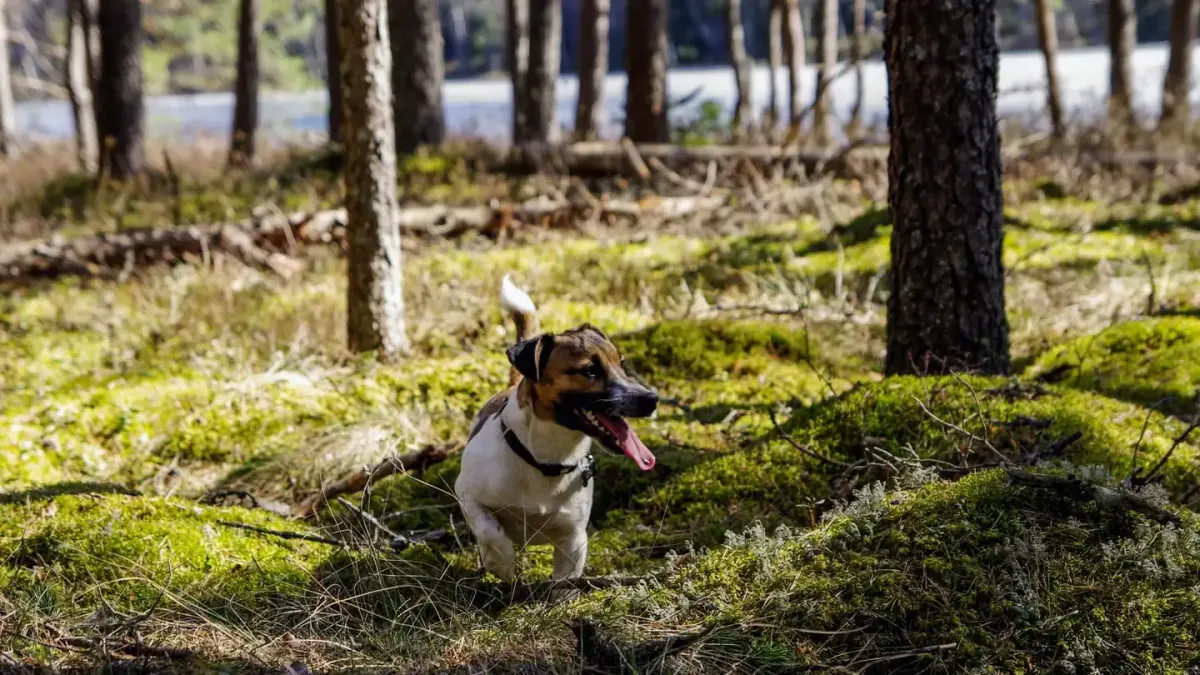
Flat, forgiving footing matters more than pace. Grass, dirt path, or rubber track loads joints more evenly than concrete or steep hills. Keep the leash loose enough for a natural stride, warm up the first five minutes at a wander, then settle into a steady trot-walk where your dog can still sniff and wag.
Watch the 24-hour response. Mild tiredness that evening is fine. Limping that night, reluctance the next morning, or needing more than a few minutes to loosen up means you overshot.
If you want contrast on formats, compare off-leash play and on-leash walks for joint load, and read how swimming compares with walking when weight-bearing hurts.
Short wins.
When rest backfires and how to reset
A lot of owners try the weekend hero walk plus weekday couch rest, and it almost always flares early arthritis. I followed a five-year-old, 44-pound Boxer whose owner worked long shifts and saved everything for a two-hour Saturday trail hike to make up for it. For three weeks in a row the pattern held: bright on the trail, stiff Sunday, lame Monday, then four quiet days until the next big push. The owner worried the diagnosis meant his active life was over and asked if crate rest would reset the joint. We swapped the single hike for 20-minute morning and evening walks plus a 30-minute Saturday sniff walk with hill breaks, and his Monday morning stiffness eased within two weeks even though total weekly minutes barely changed. If you work full-time, this kind of split schedule is exactly what I outline for structured exercise versus dog-park bursts.
That failed approach teaches the tradeoff. Long, infrequent loading spikes inflammation and soreness without building the muscle that stabilizes the joint. Short, repeated loading builds endurance and range without the crash.
What movement does that a pill cannot
Here’s where I take a firm line as a nutritionist. Joint-support ingredients may help support the nutritional environment around cartilage and synovial fluid, but they don’t replace loading, weight control, and strength.
Ground an integrative claim in the nutritional evidence and you stay honest. Chondroitin is reported in recent work to “supports healthy synovial fluid homeostasis” according to work published in Frontiers in Veterinary Science, which matters because synovial fluid is how cartilage receives nutrients during movement. Glucosamine HCl is described in laboratory work to “prevent experimentally induced cartilage degradation in vitro” in research from The Journal of Veterinary Medical Science, which is mechanistic support, not proof of pain relief. Green-lipped mussel components are also under study, with one nutrient analysis noting that “BMO, GMO, and KO all alleviated paw swelling in rats and reduced serum levels of rheumatoid factor (RF), anti-cyclic citrullinated peptide (anti-CCP) antibody, and pro-inflammatory cytokines such as TNF-α and IL-17” as reported in Nutrients.
The strongest counterargument is that supplements feel easier than daily rehab, so why not just feed more and walk less? I land the other way because no ingredient builds quadriceps, gluteal endurance, or weight loss. Use food therapy and supplement science to may help support whole-patient mobility alongside movement, not instead of it.
The edge case that changes your minutes
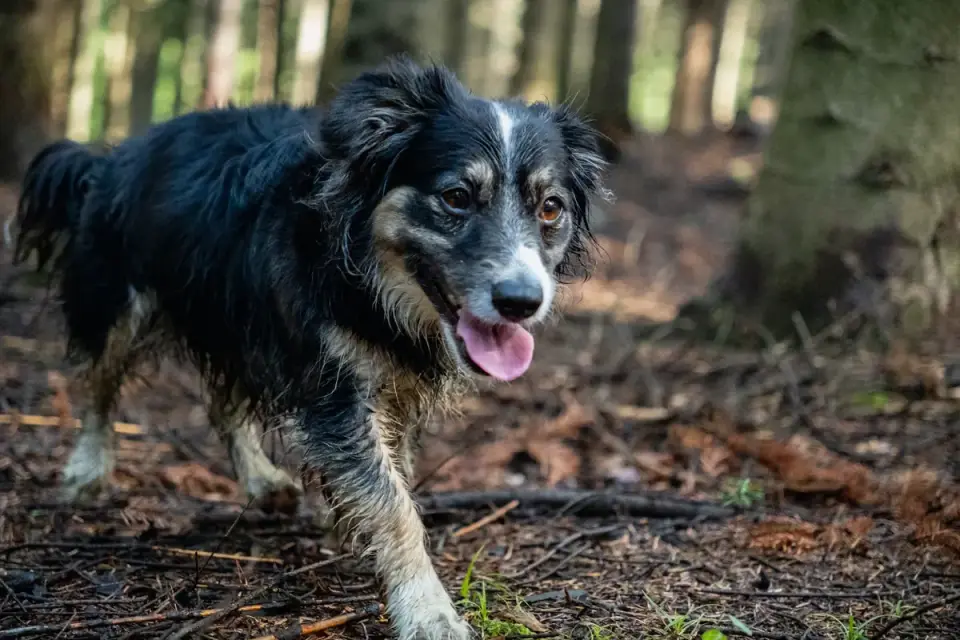
Not every stiff older dog has plain early arthritis. I think of a 12-year-old, 18-pound terrier mix who looked arthritic — slow on stairs, sore after a 25-minute walk — but his pattern flipped day to day and he panted at night. Three weeks in, bloodwork and exam pointed toward pain plus early neurologic weakness rather than joint stiffness alone, and adding minutes made him more wobbly, not more fit. We cut walks to three 8-minute flat loops, added rugs and a ramp, shifted strength work to standing cookies and weight shifts, and told the owner to track good days versus bad days instead of total distance. Learn the stiffness-versus-disease distinction I describe in arthritis versus normal aging stiffness, and ask your vet promptly if you see knuckling, sudden worsening, crying out, or non-weight-bearing lameness.
That case is why recovery rules beat mileage rules.
Your early arthritis owner checklist
Build the week in order. Keep total daily walking around 20 to 30 minutes to start, split across the day. Keep one rest day easy, not idle — a couple of 10-minute sniff walks. Add two short strength snacks weekly: three to five sit-to-stands, gentle incline stands, or cavaletti poles at ankle height if your vet approves.
Set up the home to do half the work. Rugs on slick floors, ramp to couch or car, raised food bowl if neck or elbows are sore, warm bed away from drafts. Weigh monthly and score body condition; even a half-point drop in fat cover unloads hips and stifles more than any single walk.
Track what matters: time to rise in the morning, lag point on walks, stairs willingness, and next-day soreness. If two of those worsen for more than three days, trim minutes by a third and call your clinic. If they hold steady for two weeks, add five minutes to one walk.
You’re not chasing pain-free perfection. You’re keeping a dog with early arthritis moving often enough that joints stay nourished, muscles stay willing, and life still smells like the trail.
For related context, read Dog Park vs Structured Exercise for Your Dog: Which Actually Builds Fitness?.
For related context, read Off-Leash Play vs On-Leash Walks for Exercise: What Actually Serves a Dog’s Joints.
Sources
- Protective effects of turmerosaccharides rich extract of Curcuma longa L. in osteoarthritic dogs — Frontiers in Veterinary Science
- Glucosamine Cartilage Study — The Journal of Veterinary Medical Science
- Marine Oil Inflammation Analysis — Nutrients