On this page
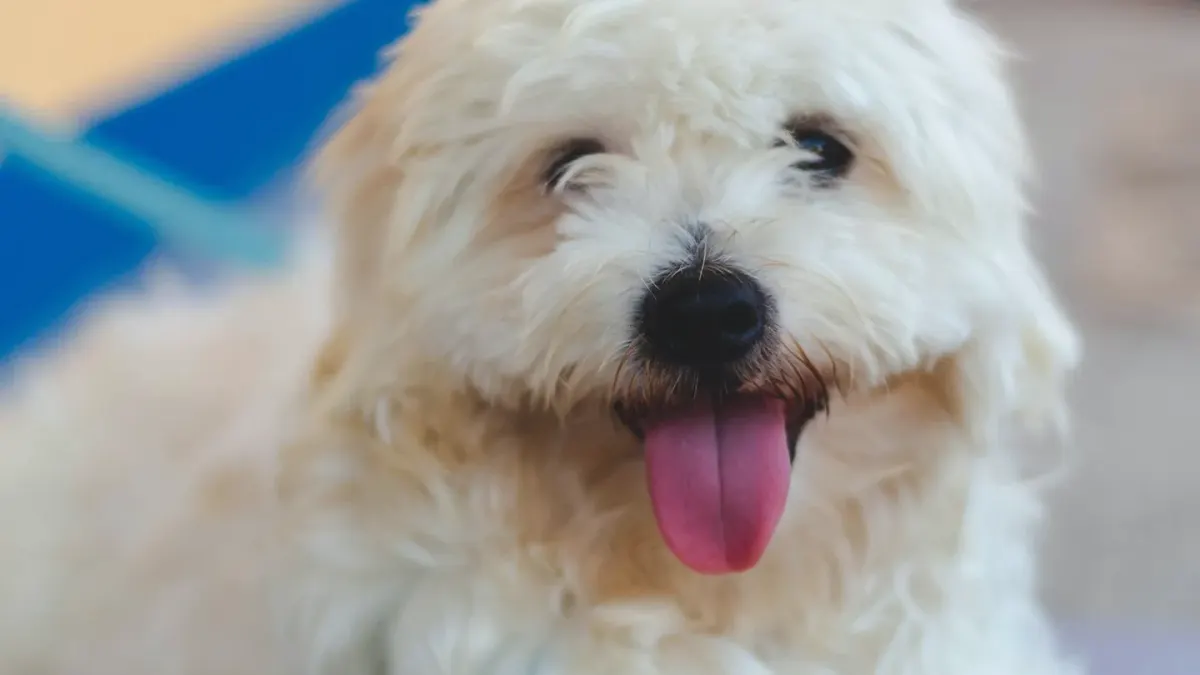
Early July, a 4-year-old 28-pound French Bulldog is panting at my exam-room door before we even start. His owner works from home, walks him at lunch, and asks the question I hear all summer: are we doing too much or too little? She had cut him to one 25-minute midday loop around the block, and by minute 15 his snort had turned to open-mouth roar, his tongue was wide and flat, and he sat down in the shade and refused to move. That single decision — how long is safe when it is hot and the face is flat — is the whole summer exercise problem for brachycephalic dogs.
My disputed premise is this: most flat-faced dogs do better on two to three very short bouts of movement per day in summer than on one standard walk, and joint nutrition should be weighed as background support for diet, mobility, and recovery, not as heat protection.
That runs counter to the mileage mindset many of us bring from longer-nosed breeds. With a Bulldog, Pug, Shih Tzu, Boxer, or Frenchie, the airway is the limiter long before the muscles are tired. Narrowed nostrils, a long soft palate, and a relatively small trachea mean they move less air per breath and retain more heat. Exercise still matters for weight, joint range of motion, and behavior, but the dose has to fit the cooling capacity.
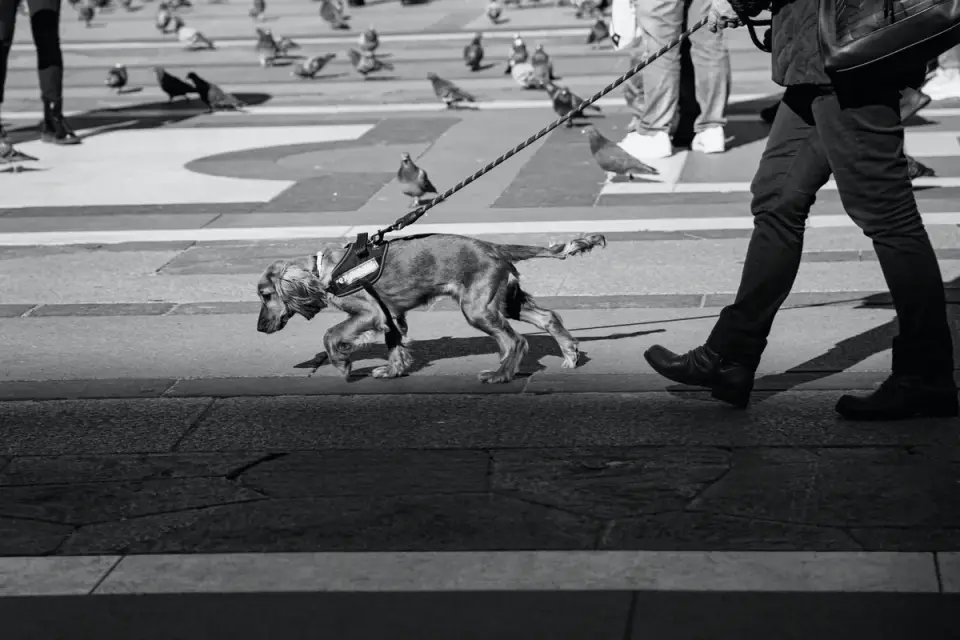
For most healthy adult flat-faced dogs in summer, I start with 10 to 15 minutes of easy leashed walking, twice daily, scheduled before 9 a.m. and after 7 p.m. when pavement is cool to your palm. Puppies, seniors, and dogs with known airway surgery, collapsing trachea, or obesity often need 5 to 8 minutes at a time with sniff breaks built in. If your dog can walk, breathe through a mostly closed mouth, and recover to quiet breathing within 10 minutes at home, that dose was reasonable. If panting lasts 30 minutes, they drool heavily, or they lag behind, it was too much for those conditions.
Heat and humidity rewrite the plan day to day. Above about 80°F, and especially when humidity is high, shorten to indoor play and training rather than pushing through an outdoor walk. I tell owners to check the recovery, not just the walk. A dog that is still panting hard by day 10 of a new routine is not “getting in shape” — he is telling you the environment is too demanding.
Why a short walk replaces a long one when airways are narrow
Long continuous exercise raises core temperature faster than a flat-faced dog can dump it. Short bouts with full cool-downs let heart rate, respiratory rate, and willingness to move reset. That is also better for joints, because frequent low-impact loading maintains range of motion without the fatigue that leads to scrambling, slipping, or hard plopping down.
Think in circuits, not miles. A morning circuit might be a 10-minute shaded neighborhood walk at a sniffing pace, 3 minutes of ramp walks or gentle figure-eights in a hallway, then water and rest on tile or in front of a fan. The evening circuit can repeat with 5 minutes of training — hand touches, sit-to-stand, weight shifts — instead of extra distance. Owners looking for indoor alternatives often benefit from reading about Cooling Options for a Thick-Coated Breed at Home even if their dog is short-coated, because the same principles of cool surfaces, airflow, and water access apply.
She had tried to “tough it out” through lunch walks for three weeks in June, reasoning that a 6-year-old 52-pound Boxer should handle 45 minutes like he did in April. The first week seemed fine. By week two he was lagging at the halfway mark, and by the end of week three he vomited clear foam after a noon walk, then lay on the kitchen tile for an hour. The tradeoff was stark: the owner wanted fitness and weight control, but the midday timing erased both benefits by suppressing appetite for movement the next day and increasing recovery time. When we moved him to 12-minute walks at 7 a.m. and 8 p.m. plus 5 minutes of hallway play at noon, his evening willingness to move returned within four days. The failed approach was not lack of effort; it was correct duration at the wrong thermal dose.
Where joint nutrition realistically fits next to movement
I weigh what a supplement can realistically do for diet, mobility, and recovery, and with summer brachycephalics I am conservative. No chew or powder improves heat tolerance or opens an airway. What joint nutrition may help support is the background diet that keeps an active-but-limited dog moving comfortably.
Ground an integrative claim in the nutritional evidence this way: glucosamine and chondroitin are among the most studied joint support ingredients for dogs. That is the context from Frontiers in Veterinary Science, where work described as “supports healthy synovial fluid homeostasis” reminds us that joint comfort is partly about the environment inside the joint. A separate in vitro line reported that a glucosamine-related compound could “prevent experimentally induced cartilage degradation in vitro,” as described in the Journal of Veterinary Medical Science. For green-lipped mussel, researchers noted that “BMO, GMO, and KO all alleviated paw swelling in rats and reduced serum levels of rheumatoid factor (RF), anti-cyclic citrullinated peptide (anti-CCP) antibody, and pro-inflammatory cytokines such as TNF-α and IL-17,” reported in Nutrients.
The strongest counterargument is fair: if a dog only walks 20 minutes a day in summer, why add joint support at all? My answer is that limited movement plus easy weight gain is exactly when diet quality, body condition, and consistent low-impact motion matter most. A supplement may help support mobility alongside weight control and rehab-style exercise, but it never replaces cooler timing, shorter bouts, or veterinary airway care.
Stop exercise immediately for noisy struggle breathing, pale or blue-tinged gums, staggering, vomiting, or collapse. Cool with lukewarm water on belly and paws, offer small sips, move to air conditioning, and call your veterinarian promptly. Those are not fitness signs to push through.
The cool-hour routine I recommend most summers
Keep the weekly total modest and the frequency high.
Start with two 10-minute walks in cool hours. Add a third 5- to 10-minute indoor session on most days: scatter feeding, snuffle mat, slow stair-free obstacle of cushions, or supported standing on a non-slip rug. One or two days per week can be active recovery — massage, gentle range-of-motion as shown by your rehab team, and play in shallow cool water if your dog is a safe swimmer.
Swimming looks ideal but needs caution in this group. Many Bulldogs and Pugs are top-heavy and poor swimmers, and excitement plus water can still trigger respiratory distress. If you consider it, read Swimming vs Walking for an Arthritic Dog: Which Actually Helps More? and Dog Treadmill vs Outdoor Walking: Which One Actually Serves an Achy Dog Better? for how to compare joint load and supervision needs, and use a well-fitted life vest, calm entry, and 3- to 5-minute supported sessions.
The edge case that changes the math is the senior Pug who looks lazy but is actually sore. A 11-year-old 19-pound Pug I followed last August would only walk six minutes before sitting, which the owner read as heat intolerance. In air conditioning at 72°F she still sat at minute six, then was stiff rising after naps and slow on the two front steps by day 10 of tracking. Radiographs later showed advanced elbow and spinal stiffness. For her, summer was not the primary limiter; chronic joint discomfort was, amplified by heat. We shortened outdoor time to two 6-minute toilet-and-sniff walks, added three 4-minute indoor mobility snacks on rugs and ramps, adjusted calories for a half-pound weight loss goal, and kept joint nutrition as part of the broader food-therapy plan. Her total minutes barely changed, but her willingness to start did.
Your owner checklist for hot weeks
Bring water, walk shade, and watch recovery more than distance.
Check paws, harness fit, and breathing before you leave. A snug harness across the chest restricts a brachycephalic dog more than owners expect. Keep pace at a loose leash, allow sniff stops, and end while your dog still wants to go. Log minutes, temperature, and time to quiet breathing for a week — that record is more useful than any step goal. For breed-specific pacing, Boxer Care and Exercise Needs: A Vet’s Real-World Guide is a helpful cross-check on energy versus airway limits.
Summer fitness for a flat-faced breed is consistency without heat debt. Short, cool, and frequent keeps weight and joints supported and leaves room for fall when you can rebuild duration safely.
Frequently asked questions
How many minutes per day should a French Bulldog or Pug walk in summer?
Many healthy adults do well with 20–30 total minutes split into two or three 10–15 minute bouts in cool hours. Start low, watch recovery to quiet breathing within about 10 minutes, and shorten or move indoors above ~80°F or high humidity.
Is panting normal or a stop sign?
Light panting with a loose body is expected. Stop and cool for loud, effortful breathing, wide flat tongue, heavy drool, lagging, sitting down, pale gums, vomiting, or wobbliness, and seek veterinary care for collapse or prolonged distress.
Can swimming replace walks for a Bulldog in heat?
Only with extreme caution. Many are poor swimmers and can still overheat from excitement. Use a life vest, calm shallow water, 3–5 minute supported sessions, and constant hands-on supervision — or choose indoor low-impact play instead.
Sources
- DOI:10.3389/fvets.2026.1536366 — Frontiers in Veterinary Science
- DOI:10.1292/jvms.25-0293 — Journal of Veterinary Medical Science
- DOI:10.3390/nu18020215 — Nutrients