On this page
If your dog still wants to dig but his body pays for it afterward, a digging box lets him keep the part that comforts him without the strain that worries you.
My disputed premise is simple. For aging or sore dogs, sniffing and forepaw digging in a shallow, stable box supports comfort and settled rest better than asking for another walk around the block. Movement still matters for joint nutrition and weight, and gentle motion alongside thoughtful nutrition helps maintain normal mobility, yet the nose comes first when the legs are tired. Rhythmic sniffing slows breathing, shifts the nervous system toward rest, and gives a stiff dog a job he can do lying down or standing with elbows soft. What would change my mind would be controlled evidence that brief olfactory enrichment increases pain scores or next-day stiffness compared with rest alone. I have not seen that signal, and what I do see is dogs settling sooner after low-effort foraging.
A family I visited in February comes to mind when owners ask whether to build one of these. Their 13-year-old beagle mix, adopted at age four and now sleeping downstairs because stairs had become hard, would pace the kitchen from 7 p.m. until nearly 9 p.m. and whine at the back door to dig at the frost-covered edge of the yard. We set a low-sided shipping box on a washable rug, folded two bath towels inside as the base, and scattered a quarter-cup of kibble taken from her dinner so we added no extra calories. By the third evening she worked the box for about six minutes, then curled on her bed for two hours without getting up to pace. Her comfort made the decision concrete for them, and the box stayed.
Why Digging In A Box Feels Different From Digging In The Yard
Outdoor digging asks a great deal of an older body. The dog braces on hind legs, twists through the spine, loads sore shoulders, slips on uneven ground, and often overheats or gets chilled before he is mentally satisfied. A household box changes the mechanics. The surface is level, the sides are low enough to step over or reach across, the footing is secure, and the work shifts from shoulders and back to nose, lips, forepaws, and brain.
That shift matters because sniffing itself is physiologic work. The American Veterinary Society of Animal Behavior describes enrichment as a way to permit normal behavior patterns such as foraging and exploration, and foraging keeps a senior dog’s brain engaged without asking for distance or speed. The Merck Veterinary Manual notes that digging is a normal canine behavior that often grows when dogs are under-exercised or left without an outlet, which is exactly what happens in winter or during recovery when walks shorten.
What To Gather Before You Build
Keep everything low, washable, and familiar. You do not need tools or a trip to the store.
A shallow container forms the base. A low-sided shipping box with one side cut to about four inches, a laundry basket laid on its side, a boot tray, or a flat storage-bin lid all work. Choose something that will not slide and will not tip if your dog leans. Place it on a rug with a rubber backing or a yoga mat.
For fill, use soft household textures in layers rather than one deep pile. Large bath towels loosely rolled, clean old T-shirts knotted once, brown packing paper lightly crumpled, and a fleece blanket folded in thirds give the paws something to push aside. Avoid shredded office paper with sharp edges, plastic bags, small socks that could be swallowed, corn-cob or walnut-shell litter, potting soil with fertilizer, and anything with food odor that invites chewing. If your dog mouths fabric, keep pieces larger than his head and supervise closely.
For reward, use part of his daily food rather than extra treats. A small handful of kibble, a few frozen peas, or thin apple slices buried shallowly invite sniffing without weight gain. This pairs well with the broader picture of weight, movement, and home environment discussed in Chew Toys vs Puzzle Toys for Boredom, and with daytime routines for dogs home alone in How to Keep a Dog Entertained While You’re at Work.
I also learned what not to use from a home where good intentions made the box too ambitious. A couple with a seven-year-old 71-pound shepherd mix filled a deep tote with nearly eight inches of crumpled newspaper and ball-pit balls to keep him busy during a long workday. He braced his front legs on the rim to reach the bottom, slipped, knocked the tote over, and then avoided the corner for four nights. We scaled back to a boot tray with a single towel and six pieces of kibble placed on top rather than buried. He sniffed for two minutes the first day, and the tradeoff was clear. Depth had asked for strength he no longer wanted to give, while shallowness invited the nose back.
The Low Box Setup For Stiff Or Anxious Dogs
Set the box where your dog already rests, not in a hallway he must travel to reach. Near his bed, with good light and room to approach from the open side, works best for dogs with hip or elbow stiffness.
Layer two towels flat, then add one loosely bunched layer on top. Tuck five to eight pieces of his regular food just under the folds where he can see one or two and smell the rest. Sit beside him on the floor or in a low chair, place one hand on the box to steady it, and let him approach in his own time. Most senior dogs sniff first, paw once, pause, and sniff again. That pause is part of the work.
Keep sessions short. Three to five minutes is enough, once or twice daily, always ending while he is still interested. Watch for soft signs of fatigue such as lying down to work, turning away, lip licking that does not resolve, or shifting weight off a leg. Gently gather the box, praise quietly, and offer water and his resting spot. Over days you can bury food slightly deeper or add a T-shirt layer, but only if he remains eager and moves comfortably the next morning.
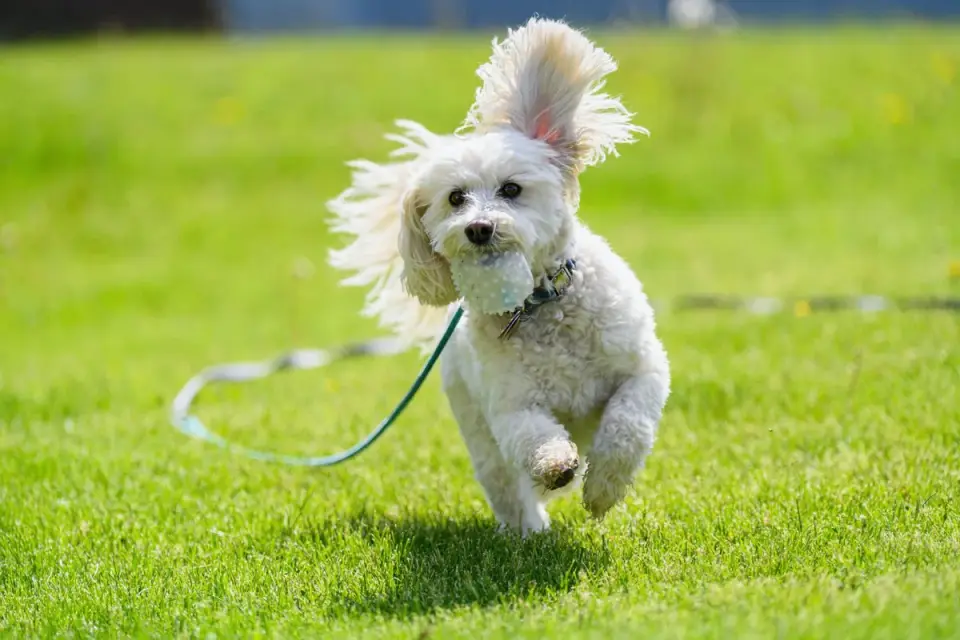
Short sessions protect comfort.
They also teach you what a good evening can look like.
Where Movement, Weight, And Supplements Fit Around The Box
A digging box does not replace motion. It makes the motion you do keep more tolerable. On days you use the box, pair it with two or three brief, level walks or indoor strolls rather than one long outing, with non-slip rugs along the path he uses most. Keep nails trimmed and weight lean, since every extra pound increases load on arthritic joints.
Supplements may help support normal joint structure and function alongside those habits, though they do not rebuild cartilage or take the place of veterinary pain care. If your veterinarian has discussed joint support, ask how a product formulated to maintain connective tissue and support normal inflammatory balance might fit for your dog, and what realistic timeline to expect. My expectation is modest and comfort-led. Less morning stiffness getting up, a willingness to reposition at night, a little more ease on familiar steps.
Some evenings call for bending the usual plan. A widow I support cares for a 10-year-old 22-pound terrier who pants and circles when rain drums on the windows and who cannot settle even with food puzzles. The standard advice of a short walk plus a feeding toy left him more wired, so on wet nights she skips the walk entirely. She places his digging box beside the couch at 6 p.m., dims the lamp, buries dinner kibble in a single fleece layer, and sits with her hand resting lightly on his ribcage while he sniffs for about 400 seconds. He then sleeps through her tea without circling the rug. The box did not change, but the routine around it did.
A Comfort-First Checklist To Close
Use this before each session and again the next morning. If digging leaves him sore, panting late into the night, or reluctant to rise, make the box shallower, shorten the time, or pause and call your veterinary team.
Choose a low, stable base on a non-slip surface. Keep fill soft, large, and washable. Bury only part of his daily ration, shallow at first. Stay with him, steady the box, and end at three to five minutes. Store the box out of reach between uses so it stays novel and safe. Track morning ease, evening settling, and appetite the way you would track any comfort measure, and bring those notes to rechecks.
A household digging box is a small accommodation with an outsized message. Your dog can still follow his nose, use his paws, and finish the day tired in the good way, while you can watch without bracing for the limp that used to follow.
Frequently asked questions
How deep should a digging box be for a senior dog?
Keep fill shallow, about two to three inches at first in a low-sided container. Your dog should reach food without bracing on the rim or straining shoulders, and you can add one thin layer only if morning movement stays easy.
What household fill is safest?
Large bath towels, clean T-shirts knotted once, lightly crumpled packing paper, and fleece blankets are soft, washable, and easy to push aside. Avoid plastic bags, small socks, sharp shredded paper, and potting soil or litter with additives.
How long should a session last?
Three to five minutes once or twice daily is enough for most stiff dogs. End while your dog is still interested, then offer water and a resting spot.
Sources
- AVSAB Position Statements — American Veterinary Society of Animal Behavior
- Behavioral Problems of Dogs — Merck Veterinary Manual