On this page
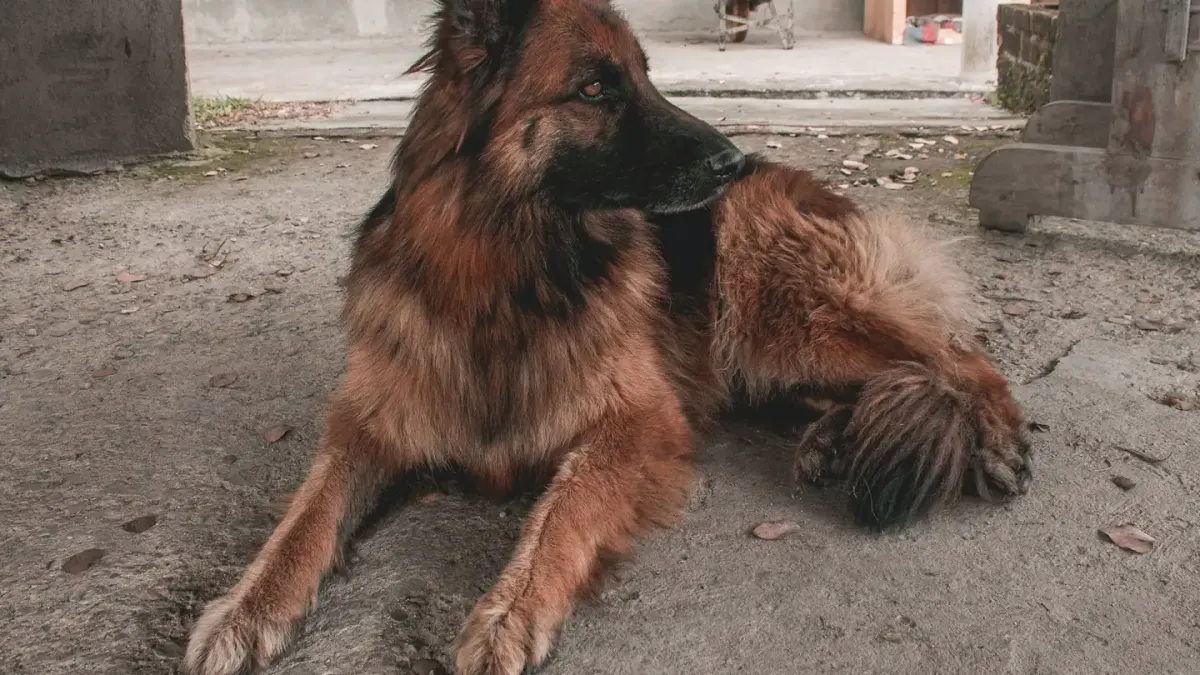
At ten, most Labs still want the job — our job is to give them smaller, steadier jobs that leave them tired but not sore the next morning. My disputed premise is this: frequency beats duration for the old Lab, and I weigh what a supplement can realistically do for diet, mobility, and recovery as support for that movement, not a substitute for it.
If you want the short version before the why:
- Split exercise into 2-3 short bouts, not one long outing
- Walk on forgiving footing at a sniff-and-stroll pace, with warm-up and cool-down
- Track next-morning stiffness, not just same-day enthusiasm
- Keep body condition lean; food therapy does more for joints than extra miles
- Build strength with hills, water, and home footing before adding time
- Use joint nutrition as background support alongside movement, within structure/function language
A 10-year-old, 78-pound spayed female Lab I followed in general practice still barked at her leash every morning at 6, and her owner worried that saying no would dim her. We set a baseline for two weeks in early March: two 12-minute neighborhood loops on flat sidewalk, plus five minutes of cookie-stretches and weight-shifts on a yoga mat. By day 10 she was rising faster after naps, and her owner logged only one slow morning instead of four the prior fortnight. The decision was not whether to exercise, but how to dose it like a prescription.
Short and often wins for old joints
Long Saturday hikes punish a senior Lab. Cartilage, tendon, and muscle recover slower with age, and a single 60-minute push can create two days of compensating. Two 15-minute walks with a midday sniffari in the yard maintain synovial circulation and muscle tone with less delayed soreness.
Think in weekly volume, then divide it. Start where you are now and add no more than about 10% total time per week if mornings stay clean. If you already do 30 minutes a day, try 15 minutes morning and evening for a week before you try 20 + 15.
For ideas on trading pavement for softer options, compare Swimming vs Walking for an Arthritic Dog: Which Actually Helps More? and Off-Leash Play vs On-Leash Walks for Exercise: What Actually Serves a Dog’s Joints.
What overdoing it actually looks like the next morning
Labs lie to you in the moment. Adrenaline and retrieving drive mask fatigue. I judge the dose 12 to 24 hours later:
- slow to rise, bunny-hops stairs, or skips the morning greeting stretch
- panting or pacing that night when the house is cool and quiet
- shortening stride behind, wide turns, sitting out play they normally join
- licking a carpus or stifle, or needing help into the car
One bad morning is information. Two in a row means cut the next three days by a third, keep footing easy, and rebuild.
We learned this with a lanky 11-year-old, 84-pound male Lab who lived for fetch in a 40-yard alley behind a duplex. His owner kept count: 25 throws on Sundays, then three nights of groaning on the kitchen tile. When we swapped one fetch session for two 10-minute leash walks plus nosework in grass, the dog seemed less thrilled that afternoon — and that tradeoff complicated our plan. By week three the owner missed the old spark, even though the dog rose cleaner and needed help on stairs only once instead of nightly. Enthusiasm is not the same endpoint as comfort.
Build the day: a low-impact template you can repeat
You do not need a rehab gym. You need routine.
Warm-up (3-5 minutes): potty walk, gentle figure-eights on grass, 5-8 cookie-turns each side to nose-to-hip.
Main set (10-20 minutes, twice daily): flat or gently rolling route, loose leash, let them sniff. Grass, track, or packed trail beats concrete. Keep a pace where you can talk in full sentences and they can still take treats softly.
Strength snacks (5 minutes): 3 x 10-second stand-to-sit on a rug, stepping over two broomsticks on the floor, or slow hill work — 4-6 short uphill strolls, ride or walk down.
Cool-down: 3-minute amble, water, lie on a supportive bed. Note stiffness score 1-5 the next morning.
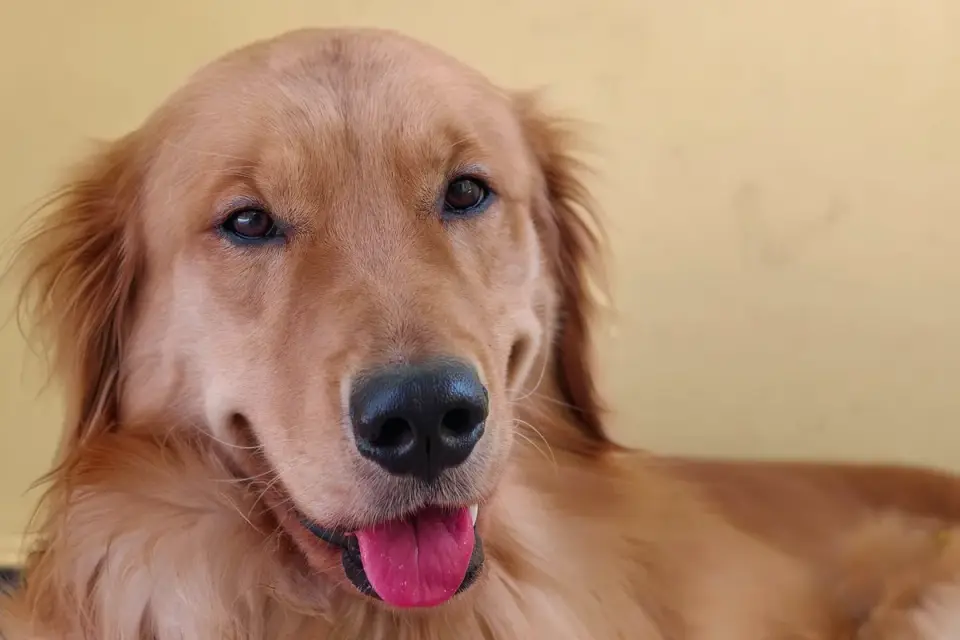
Total active targets for most ten-year-old Labs land around 25-45 minutes broken up, plus play and training. Retrieving still counts if you keep throws low, short, and on grass — rolling a ball 15 feet five times beats launching it 60 feet.
If you work away, borrow structure from How to Keep a Dog Entertained While You’re at Work and compare surfaces with Dog Treadmill vs Outdoor Walking: Which One Actually Serves an Achy Dog Better?.
That session load matters because in vitro work suggests glucosamine may help support normal cartilage biology — described in the literature as “prevent experimentally induced cartilage degradation in vitro” — but cell models do not lift weights for your dog. The full context is in the Journal of Veterinary Medical Science, which published A review of the clinical efficacy and adverse effects of disease modifying osteoarthritic drugs (DMOADs) in dogs with special focus on glucosamine and pentosan polysulfate; do they work? in 2025.
Food, weight, and footing do as much as walking
From a nutrition and sports-medicine view, extra pounds raise joint load on every step, and lean Labradors age more gracefully. The classic lifetime feeding work summarized by the American Veterinary Medical Association and detailed in the lifespan study Journal of the American Veterinary Medical Association: Effects of diet restriction on life span and age-related changes in dogs reminds us why body condition scoring matters as much as minutes walked. I would rather adjust meals by 5-10% and add whitefish, vegetables, and joint-supportive omega-3 foods under veterinary guidance than push a heavy dog another mile.
Home fixes that pay off fast: rugs over slick hallways, a ramp to the SUV, a raised food stand only if neck arthritis makes floor bowls hard, and a firm orthopedic bed near family traffic so they do not choose cold tile.
Where joint nutrition realistically fits next to movement
Here is where I plant my flag and concede its limits. I recommend pairing consistent movement with daily background nutrition that may help support joint flexibility and normal recovery — glucosamine plus chondroitin, omega-3s including green-lipped mussel-type lipids and glycosaminoglycans, and adequate high-quality protein — because food therapy and supplement science can support the tissues you are loading. The National Institutes of Health Office of Dietary Supplements notes glucosamine and chondroitin are among the most studied joint support ingredients, which is why they anchor many senior plans.
What that stack cannot do: rebuild worn cartilage, block pain like an NSAID, or excuse obesity or a too-long hike. If lameness lasts more than 48 hours, if there is swelling, yelping, knuckling, or rear-leg collapse, stop ramping and get an exam. Supplements support structure and function; diagnosis and pain control belong to your veterinarian.
A third scenario shows where the template bends. A 10-year-old, 68-pound field-line Lab in a third-floor walk-up without yard access could not do twice-daily grass walks in February ice. For six weeks we replaced one walk with indoor work: hallway leash laps on runners, 5-minute stair-free obstacle circuits, and two 8-minute treadmill acclimation sessions at 0.8 mph after a veterinary check. Total steps fell, but hind-end strength held because load stayed frequent and footing stayed grippy. When sidewalks cleared in late March, we returned to outdoor loops without the usual spring setback.
Your owner checklist for the next 4 weeks
- Score body condition and weigh monthly; adjust food first, miles second
- Keep a one-line log: minutes, surface, next-morning stiffness 1-5
- Keep nails short and interdigital hair trimmed for traction
- Rotate sniff walks, gentle hills, and one swim or hose-cool session if they like water
- Schedule a senior exam, orthopedic and neurologic screen, and pain-plan review before any big ramp
Small, steady, and boring keeps a ten-year-old Labrador in the game.
Frequently asked questions
How much exercise does a 10-year-old Lab need per day?
Most do well with 25-45 minutes total, split into 2-3 short walks plus brief strength and sniff play, adjusted by next-morning stiffness and veterinary guidance.
Is swimming better than walking for a senior Lab?
Swimming unloads joints and builds muscle, but it does not replace walks for balance and bone loading; many dogs do best with both in small doses.
When should I call the vet instead of pushing through?
Call for lameness beyond 48 hours, joint swelling, vocalizing, knuckling, collapse, or repeated reluctance to rise, climb stairs, or get in the car.
Sources
- A review of the clinical efficacy and adverse effects of disease modifying osteoarthritic drugs (DMOADs) in dogs with special focus on glucosamine and pentosan polysulfate; do they work? — Journal of Veterinary Medical Science
- Overweight Pets — American Veterinary Medical Association
- Effects of diet restriction on life span and age-related changes in dogs — Journal of the American Veterinary Medical Association