On this page
A forest cabin sounds restful, but for a dog it is a full routine change in 48 hours. My premise is this: the dogs who rest best in the woods are the ones whose sleep, feeding, movement, and handling stay closest to home baseline. Novel smells and soft trails do not by themselves restore an achy or anxious dog. Predictability does.
I counsel owners to plan the retreat around joints, skin, gut, and behavior rather than scenery. A senior retriever booked for four nights last fall shows why. He was a 68-pound, nine-year-old Labrador with early hip stiffness, sound on flat sidewalks but slow on stairs. His family wanted long sunrise hikes, off-leash swims, and fireside naps. We kept his home feeding times, packed his orthopedic pad, mapped two short loops near the cabin instead of one summit day, and set a lights-out routine for the loft. By the second morning he was rising in under a minute instead of circling for three, eating normally, and settling on his pad without pacing. The forest did not fix him. The preserved routine let him use it well.
What forest ground and air actually do to the body
Uneven duff, roots, grades, and cool damp air change loading through paws, nails, shoulders, hips, and spine. Downhill work eccentrically loads forelimbs and brakes through shoulders and carpi. Uphill work drives extension through hips and lumbosacral tissues. Wet leaves and creek crossings soften paw pads and hold moisture between toes, which may help support irritation in allergy-prone dogs. Pollen, mold, woodsmoke, and dust in an older cabin can irritate airways and skin. Nighttime temperature drops stiffen arthritic joints after inactivity.
That physiology points to pacing, not mileage. The American Veterinary Medical Association frames travel planning around health, restraint, identification, and destination risks, and forest cabins add footing, wildlife, and water to that list. I keep total active time near home baseline for the first 24 hours, then adjust by morning stiffness, pad condition, appetite, and evening settling. If morning rise time lengthens, pads stay pink, or the dog skips play they normally enjoy, we cut distance the next day.
Before you book: match the cabin to the dog in front of you
Read the listing the way you read a history. Ground-floor bedroom matters more than a view if stairs are hard. Ask about stair count and tread surface, loft ladders, deck gaps, woodstove guards, unfenced porches, and whether the yard is truly fenced or simply wooded acreage. Ask about road traffic, hunting seasons nearby, livestock, off-leash expectations, and where dogs may eliminate. Confirm veterinary and emergency clinic distance, cell coverage, and whether the owner uses pesticides, rodenticides, or potpourri.
Pack for continuity. Bed or pad from home, same food plus two extra meals, water from home for the first day if the gut is sensitive, measured treats, daily medications in original containers, collar with ID plus a backup leash and long line, towel set, paw balm, tick tool, headlamp, crate or gate if that is the home sleep setup, and a quiet chew rotation. For dogs who ride poorly, review restraint options in Dog Car Seat Belt vs Crate vs Barrier: Which Restraint Is Safest? before the drive.
The drive and arrival set the whole trip
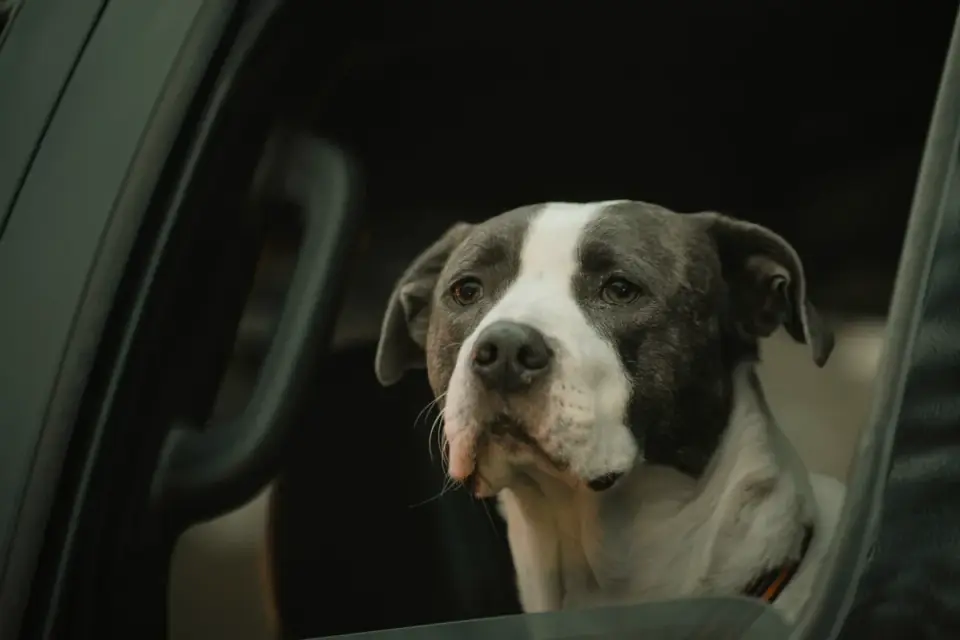
Motion, confinement, and missed meals raise cortisol and gut motility changes before you ever reach the trees. Feed a smaller meal three to four hours before departure, offer water at rest stops, and keep the car cool and secured. Plan a leg stretch every two to three hours for adult dogs, more often for puppies and seniors. Keep the first cabin walk boring on purpose.
The failed version I see most often is the big arrival hike. One family drove five hours with a young herding mix, skipped lunch to beat sunset, then tried a 2.3-mile lakeside loop to tire him out. He pulled the entire first mile, drank creek water, refused dinner, paced the loft until midnight, then woke licking his front paws. We unwound it the next day with leash walks around the cabin clearing, meals on home schedule, crate naps with a chew, and only a 20-minute sniff walk after dinner. His appetite normalized that evening. Excitement is not exercise fitness.
Size and vehicle setup change logistics more than many owners expect, which is why I often send families to Traveling With a Small Dog vs a Large Dog: What Actually Changes when they are deciding between a crate, barrier, and seat space.
Daily rhythm that protects movement and calm
Keep the skeleton of home. Same wake, feed, walk, rest, and bedtime windows. Build forest time inside it.
Mornings are for joints. Brief potty walk, breakfast, then a 10- to 20-minute easy loop after the food settles. Midday is for rest in a defined spot, not free roaming while humans unpack or cook. Dogs rehearse counter-surfing, trash-raiding, and door-dashing quickly in cabins. Afternoon brings the main outing, kept shorter and flatter than you think. Evenings stay quiet with grooming, pad checks, and a chew.
Low-impact support work fits well here. Five minutes of weight shifting on flat ground, slow figure-eights around trees at wide radius, controlled step-overs of a fallen branch no higher than carpus height, and gentle uphill walking rather than fetch on slopes. Stop before panting becomes heavy or the gait shortens. Where supplements fit, keep them consistent with home rather than starting three new products at a cabin. Glucosamine, chondroitin, omega-3s, and similar ingredients may help support normal joint structure and function as part of a broader plan with weight control and movement, but they do not replace pacing or pain assessment.
Ticks and wildlife deserve a system. Check ears, eyelids, collar line, armpits, groin, between toes, and tail base after every outing. The Centers for Disease Control and Prevention recommends prompt tick checks, EPA-registered repellents used per label where appropriate, and showering and full-body checks after wooded activity, principles that translate well to post-hike dog checks. Keep dogs from drinking standing water, secure food and trash from rodents and bears per local rules, and confirm current local guidance with the U.S. Forest Service before letting a dog off leash on surrounding public land.
Sometimes the usual advice has to bend. A timid terrier mix weighing only 14 pounds arrived terrified of the woodstove clicks, the dark treeline, and the loft stairs. Forcing the planned hiking schedule would have flooded her. Her owner scrapped the summit morning, fed meals by hand on the ground-floor rug, used a 15-foot long line for potty walks instead of a short leash, and traded trail miles for four brief sniff sessions around the woodshed and porch. By night three she was choosing her bed, playing with a familiar toy, and walking to the treeline without freezing. Less ground covered, more recovery gained.
Small habit, large payoff.
If you fly to the cabin region rather than drive, read How to Fly With a Dog: The Complete Guide first so travel stress does not carry into the first trail day.
Owner checklist before you lock the cabin door
Confirm veterinary access, after-hours number, and your dog’s vaccine and parasite prevention status with your own clinic. Leave the cabin cleaner for the next dog: wash bedding you brought, check for ticks indoors, empty crumbs and trash, and walk the yard for toys and waste. Recheck paws, nails, ears, and skin at home for 48 hours. Most burrs and interdigital redness declare themselves late.
I would change my routine-first position if controlled data showed dogs recovered movement or stress markers faster with novel high-mileage days than with preserved sleep and feeding schedules. Current travel and orthopedic guidance points the other way, toward load management and predictability. Plan the forest around the dog you live with, not the trip you imagined, and the retreat tends to deliver what you actually came for.
Sources
- Traveling With Your Pet — American Veterinary Medical Association
- Preventing Tick Bites — Centers for Disease Control and Prevention
- Pets – Know Before You Go — U.S. Forest Service