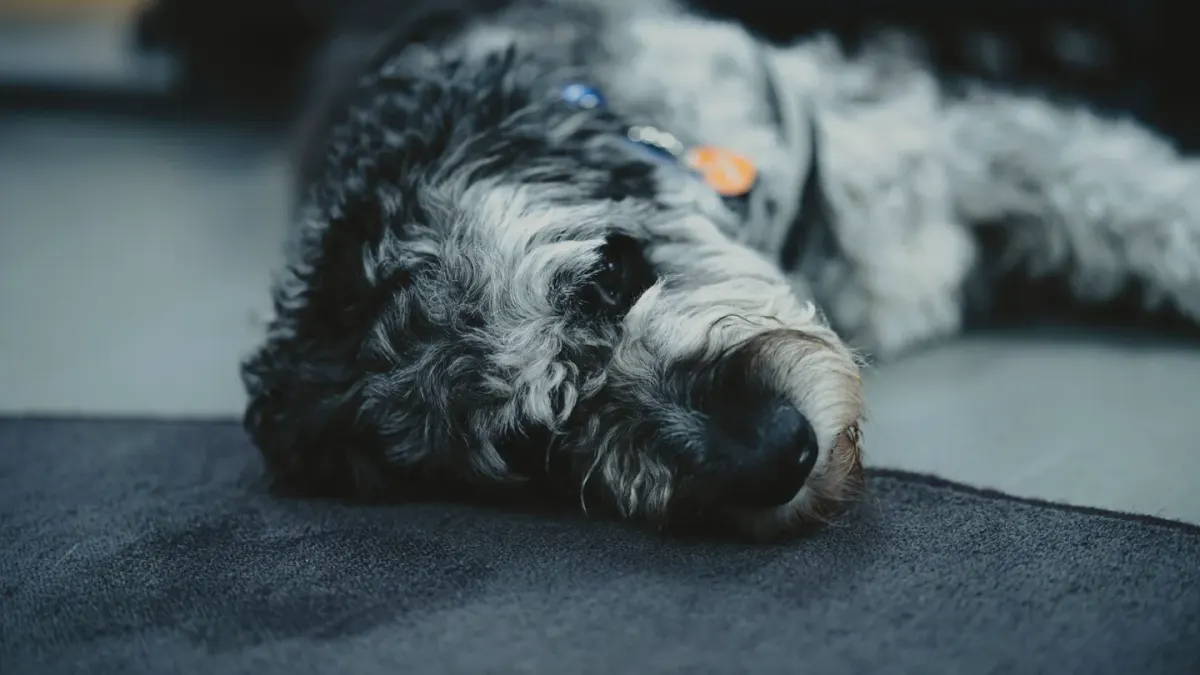
My premise for wet-weather trips is unpopular with ambitious planners: cut the itinerary in half and protect the daily routine first. I counsel that structure because rain changes footing, drying time, and how stiff joints feel the next morning, and most holiday problems I see trace back to those three factors rather than the destination itself. If controlled data showed dogs moved better with long, wet, unpredictable days, I would change that advice. The current evidence on slip risk, skin moisture, and leptospirosis exposure does not.
A 4-year-old, 68-pound Labrador mix arrived for a pre-trip check before a five-night coastal rental in late October. His owners planned three beach hikes daily, plus a ferry day trip, and worried because he lagged on stairs after damp mornings at home. We mapped his baseline: 45 minutes of total walking split across two sessions, a raised cot for drying, and paw checks after wet grass. They kept that same pattern on holiday, added a non-slip mat by the door, and reported he rose in under a minute on four of five mornings instead of stiff-legging for ten minutes.
What rain actually does to movement is straightforward. Wet hair coats lose insulation, damp paw pads soften and abrade faster, and slick tile, boardwalks, and mud increase shear forces across shoulders, hips, and cranial cruciate ligaments. Stiff or arthritic dogs then shorten stride to stay upright, which loads the low back and opposite limbs. That is why I prioritize traction and predictable low-impact movement over distance when I counsel owners about joint comfort and everyday mobility.
The American Veterinary Medical Association reminds owners to plan restraint, identification, health certificates, and destination hazards before travel, and wet-season trips add standing water and limited exercise space to that list. I translate that into a home base that dries fast: washable bed cover, elevated cot, two large absorbent towels, a paw washer, and a drying coat for double-coated breeds. Keep food, water, and rest times close to home schedule to support normal digestion and behavior.
A second scenario shows where enthusiasm backfires. An 8-month-old terrier type, about 18 pounds, spent a long weekend at a lake cabin during three straight days of rain. The plan was two 2-mile trail loops per day with no indoor play backup. By night two she refused the second loop, licked between her toes, and paced until 1 a.m. The owners had skipped drying, fed dinner four hours late, and let her sprint on a wet deck. We would have traded one trail loop for three 10-minute hallway training games, towel drying within minutes, and a set bedtime chew to support calmer evening behavior.
Moisture plus warm standing water also raises infectious-disease questions. The Centers for Disease Control and Prevention notes leptospirosis spreads through urine of infected animals in water or soil, with increased risk after rainfall and flooding. The Merck Veterinary Manual describes exposure in dogs through mucous membranes or broken skin contact with contaminated water, and vaccination may help support protection as part of preventive care. Ask your veterinarian about current vaccination, avoid letting your dog drink from puddles or ponds, and rinse legs and belly after muddy walks.
That changes the daily plan.
I keep movement short, frequent, and deliberate. A workable pattern is a 15 to 20 minute sniff walk in a rain break, a midday indoor session of nose work or stair-free obedience, then another brief evening walk with five minutes of gentle range-of-motion handling and towel massage afterward. For senior or stiff dogs, a familiar travel bed that packs flat helps maintain rest quality, a topic covered in more detail in Traveling With a Small Dog vs a Large Dog: What Actually Changes. For drives between stops, review restraint tradeoffs in Dog Car Seat Belt vs Crate vs Barrier: Which Restraint Is Safest?.
The usual advice has to bend with thunder-phobic or senior dogs. A 11-year-old, 52-pound cattle-dog mix with nighttime restlessness could not handle the standard “wait for a break in the rain” plan during a seven-day mountain rental because storms peaked at dusk, exactly when she needed to urinate. Her owner shifted to a covered parking-garage walk at 4 p.m., a potty trip under an awning at 8 p.m. with a headlamp and high-value rewards, and white noise plus a familiar blanket in the bathroom interior. She still had two accidents in seven nights, but her morning stiffness eased because she was not holding urine for 13 hours.
For flights or sitters that intersect with the trip, check How to Fly With a Dog: The Complete Guide before booking cargo or cabin, since wet-weather delays increase crate time.
Owner checklist before you book a wet-weather stay
Confirm flooring, yard drainage, and a covered potty area with the host. Pack traction mats, drying towels, a rain coat that leaves shoulders free, and any joint-support supplements already in use at home — this is not the week to start a new product. Keep meals, walks, and bedtime within an hour of baseline. Save your veterinarian and the nearest emergency clinic offline, carry vaccination records, and plan one indoor rest day for every two outing days to support recovery and normal joint function.
Sources
- Traveling With Your Pet — American Veterinary Medical Association
- About Leptospirosis — Centers for Disease Control and Prevention
- Leptospirosis in Dogs — Merck Veterinary Manual