
On this page
Coming home with a sore dog is worrying in a particular way. You want to do enough, and you are afraid of doing the wrong thing when he whimpers, paces, or will not settle.
My position is simple. Comfort first is not spoiling. A small, predictable space that protects rest, footing, and closeness may help support quality of life while the body heals, and that steadiness matters more than any single bed or gadget.
That can sound too soft to a sceptical friend. Should rest not be strict, quiet, and alone. In practice, isolation often raises stress, and stress makes rest harder. Guidance from the American Animal Hospital Association emphasizes multimodal comfort and low-stress handling for dogs in pain, alongside veterinary treatment, which is why closeness and routine belong in the plan rather than feeling like cheating.
Pick the corner that already feels safe
Choose a ground-floor room where your family already spends time, away from stairs, slick hallways, and front-door traffic. A corner with two walls gives a sense of shelter, and a baby gate often keeps things calmer than a closed door because your dog can still see and hear you.
Keep the space small on purpose. Enough room to stand, turn, stretch out, and reach water, but not enough to pace, jump, or build speed. If you are weighing confinement types, this comparison of a crate vs playpen vs gated room for rest walks through which option fits strict rest and which fits a dog who panics in a crate.
Light and sound matter more than most people expect. Dim the overhead light, close the blinds halfway, and keep television and conversation low. Vets often see dogs settle faster when the room stays boring and the routine stays the same.
Build footing, bedding, and air for a sore body
Slipping is what undoes rest. Lay washable runner rugs or yoga mats with taped edges from the bed to the water bowl and to the door you will use for potty breaks, so every step is on traction.
Then layer the bed. A firm orthopedic foam base keeps weight distributed, with a soft washable blanket on top for warmth and scent. Avoid high-sided donut beds that force a stiff dog to climb, and avoid air mattresses that wobble under weak legs.
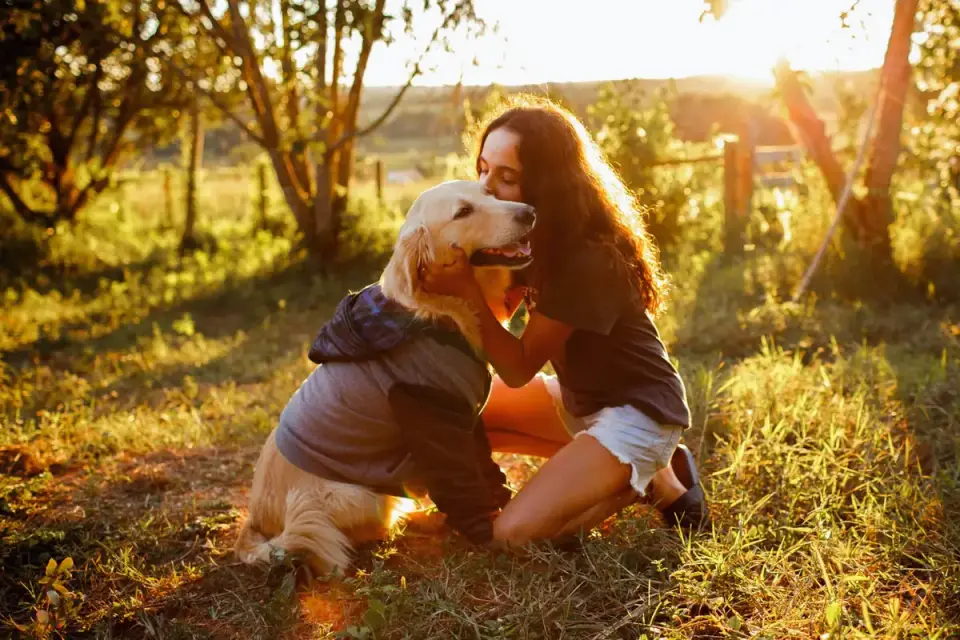
Hannah in Tulsa learned this with Goliath, her 10-year-old neutered male Puggle, after a hind-leg strain left him reluctant to lie down. She moved his bed into her bedroom corner, added a six-foot rug runner to the back door, and kept water within four steps. Within three nights he stopped circling and started sighing into the blanket, which told her the setup was working.
Temperature and air complete the picture. Most recovering dogs rest best around normal room temperature with gentle airflow, not direct heat or cold drafts. If your house runs warm or your dog is thick-coated, these cooling options for a thick-coated breed at home can help you adjust bedding and airflow without chilling sore joints.
Keep daily needs within a few steps
Think in stations. Bed, water, chew or lick mat, and a spot for medications should all sit within arm’s reach so you are not leaving your dog to pace while you hunt for supplies.
The Merck Veterinary Manual notes that pain management in dogs often combines prescribed drugs with rest, controlled activity, and environmental comfort measures, which is why your veterinarian’s medication schedule should be posted on the wall next to the bed with feeding and potty times.
Food works best as small, familiar meals served in the space, with a non-slip bowl that will not slide away. For mental calm, trade long play for short comfort rituals through the day: a brief massage along uninjured areas if your dog enjoys touch, a frozen lick mat, or quiet company while you read.
Potty breaks need a plan that protects footing. Use a short leash, the same door, and the same patch of grass, and carry small dogs over steps when your veterinarian advises it. Wipe paws on a mat on return so the rugs stay dry and grippy.
Shape calm without forcing stillness
Dogs do not understand prescribed rest. They understand habit.
Keep day and night predictable, with lights low after evening potty and the bed in the same place. Crate training principles still apply even when you use a pen or gated corner, and guidance from VCA Hospitals on slow, reward-based crate introductions can help fearful dogs accept confinement without panic.
This is where many families go wrong. The space becomes a punishment zone, full of worry and correction.
Instead, sit nearby for short periods, reward quiet settling, and leave a worn shirt that smells like you. If your dog hates the pen at night, review common setup errors in this guide to common mistakes when setting up a dog recovery space before you buy anything new. Often the fix is location, traction, or noise, not a different product.
Watch the body for feedback. Easier rising, deeper sighs, and willingness to rest on the injured side suggest growing comfort. Increased panting, restlessness, loss of appetite, swelling, odor, or crying when touched deserve a prompt call to your veterinarian rather than a firmer routine.
Owner checklist before the first night home
Walk your setup with fresh eyes and ask whether a stiff, half-asleep dog could manage it at 2 a.m.
Place the bed in a quiet, lived-in corner on the main floor, with traction to water and to the exit. Check that food, medications, leash, cleaning supplies, and your veterinarian’s phone number stay within a few steps. Dim lights, lower noise, and keep other pets and children visiting only in brief, supervised moments. Wash bedding often, keep the cone or suit clean and fitted as directed, and keep the daily schedule posted where every caregiver can follow it.
Healing rarely moves in a straight line. A cozy space will not replace veterinary care, but it may help support steadier rest, safer movement, and more good hours together while recovery unfolds.
Sources
- 2022 AAHA Pain Management Guidelines for Dogs and Cats — American Animal Hospital Association