On this page
- What is a dog recovery area supposed to accomplish?
- Is the room itself working against you?
- Is the flooring actually protecting the joints?
- Is the crate or pen actually the right size?
- Is the cone adding stress instead of protection?
- What belongs near the recovery space, and what doesn’t?
- Bringing it together
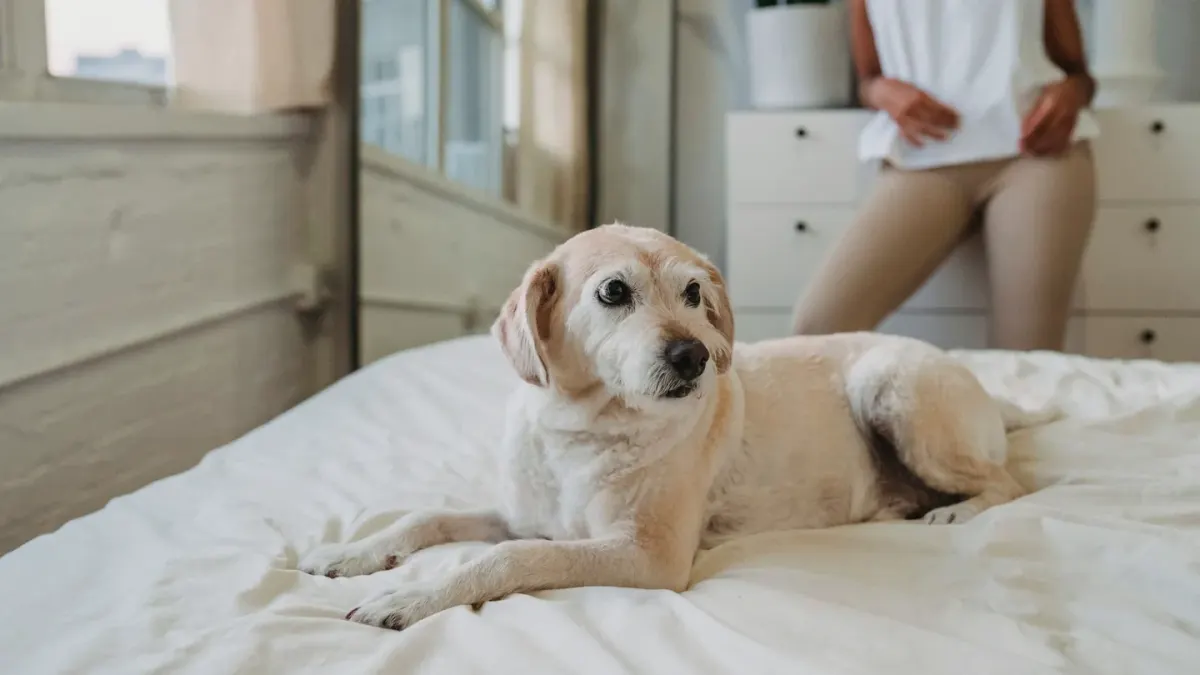
A dog coming home from surgery doesn’t know why he hurts, and the family standing over him usually doesn’t know quite what to do with that worry either. The instinct is to grab a bed, pick a corner, and call it a recovery space. Most of the setup mistakes that slow healing happen in that rushed first hour, before anyone has thought through what the room is actually being asked to do.
What is a dog recovery area supposed to accomplish?
A recovery space has one real job: to limit motion enough that healing tissue isn’t repeatedly stressed, while still letting a dog eat, drink, turn, and rest without a fight. According to The Rehab Vet, the goal of crate or pen confinement after orthopedic surgery is to control activity and reduce the risk of damage to healing tissue and surgical implants, not simply to keep a dog out of the way. That framing changes how you build the space. It’s less about tidiness and more about physics, the amount of force a joint or incision can safely absorb while it knits back together.
Is the room itself working against you?
A lot of families default to whatever room is easiest, and that’s often a mistake. A recovery room near a busy hallway, a front door, or a staircase invites exactly the kind of sudden movement a healing dog shouldn’t have. Every time the doorbell rings or another pet trots past, a dog on restricted activity may lunge, spin, or try to follow, undoing days of careful confinement in a single startled moment. Choosing a quieter, lower-traffic room is a small decision that carries a lot of the recovery’s success.
That same startle response matters even after the physical wound has closed. Dogs who’ve spent weeks resting and healing sometimes stay jumpier around sudden sounds well into their senior years, a pattern covered in Why an Old Dog Startles at Sounds He Used to Ignore.
Is the flooring actually protecting the joints?
Hardwood, tile, and laminate are some of the most common recovery-space mistakes we see, and they’re also some of the easiest to fix. A dog with a healing hip or knee needs a floor that grips back. Rubber-backed mats, yoga mats, or a low-pile rug laid under the bed and along the path to the door give paws something to push against instead of sliding out from under a still-tender limb. TopDog Health notes that slick flooring and unsecured rugs are among the first hazards worth addressing before a dog comes home from orthopedic surgery, right alongside blocking off stairs.
A dog doesn’t need a large recovery footprint. He needs a stable one.
Is the crate or pen actually the right size?
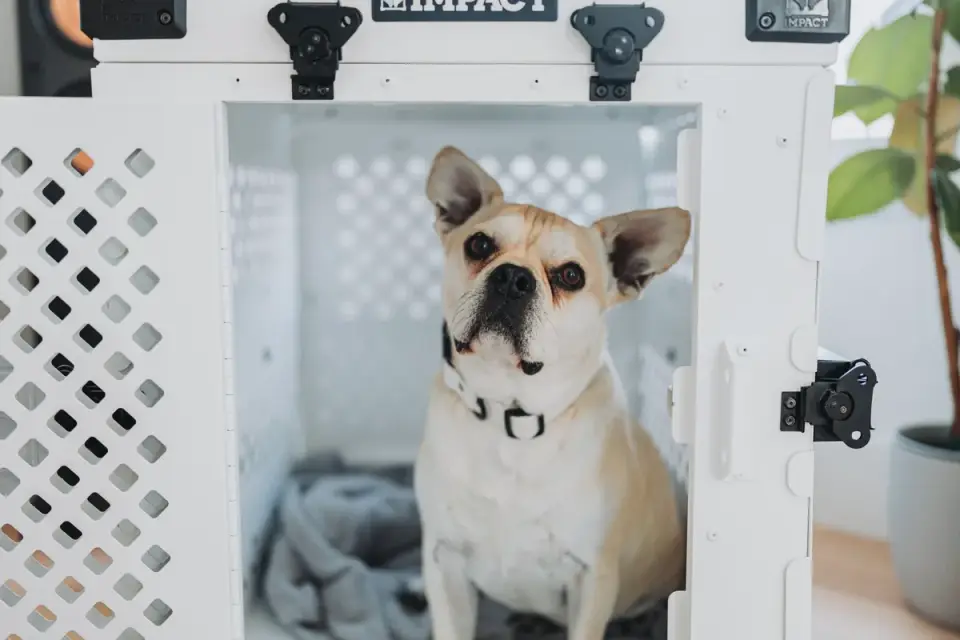
Bigger isn’t kinder here. A crate or exercise pen sized for full sprinting room lets a healing dog gather speed before a family member can intervene, which is the opposite of what confinement is meant to do. dvm360 describes the aim of postoperative confinement as limiting a patient’s ability to run, jump, or twist, while still leaving enough room to lie fully stretched out, turn around, and reach food and water comfortably. That’s a narrower window than most owners picture, and getting it right usually means sizing down from whatever crate is already in the garage rather than up.
Is the cone adding stress instead of protection?
A hard plastic cone does its job, but it isn’t the only option, and forcing one on a dog who’s already anxious from surgery can add a second layer of distress on top of the first. Preventive Vet points to soft e-collars, inflatable collars, and recovery suits as reasonable alternatives for many incision sites, chosen based on where the wound is and how likely the dog is to reach it. The right choice is the one that keeps the wound protected without turning every meal and doorway into an obstacle course.
What belongs near the recovery space, and what doesn’t?
Food, water, and a low-traffic path to the door should be within a few steps, not down a hallway or up a stair. Toys should be calm, chewable options rather than anything that invites a game of tug. If there’s a second dog in the house, plan separate rest times rather than assuming they’ll sort it out on their own; a healthy dog play-bowing at a healing one is a common and preventable setback. Families setting up a first at-home space for any young dog, healing or not, may also find it useful to read What to Expect in a Labrador Puppy’s First Year for the broader picture of how a home environment shapes a dog’s early comfort.
Bringing it together
None of these fixes are complicated on their own. Traction underfoot, a smaller confinement footprint, a quieter room, and a cone that actually fits the dog in front of you, taken together, these are what let healing tissue do its job without interruption. As a dog moves from strict confinement toward gentler, supervised activity, the same principles carry forward. A stable surface and a calm environment stay worth protecting long after the stitches come out.
Frequently asked questions
How long does a dog recovery area need to stay set up?
It depends on the procedure, but many orthopedic recoveries call for confinement in the range of six weeks or more, with the space and rules loosening gradually as a vet clears more activity.
Can a recovery area just be part of the living room?
It can, as long as the spot is out of the main traffic path, has non-slip flooring underfoot, and doesn't sit near stairs or a door that gets opened and closed often.
Is a hard plastic cone always necessary?
Not always. Soft e-collars, inflatable collars, and recovery suits are accepted alternatives for many wounds, and a vet can advise which option fits the specific incision or skin issue.
Sources
- “Crate rest” for dogs: advice for vets — The Rehab Vet
- Vet-Recommended Cone Alternatives for Dogs — Preventive Vet
- Crate expectations: Realistic strategies for postoperative confinement — dvm360
- Pet Proofing Your Home Before and After Orthopedic Surgery — TopDog Health