
On this page
Travelling does not change what the medication does, but it changes everything around it. That is my premise after years of counseling owners, and I defend it because most travel problems I see are not drug failures. They are schedule slips, missed meals, poor rest, and storage mistakes.
I counseled a family last summer preparing for a five-day drive with their 9-year-old Labrador, 68 pounds, on twice-daily thyroid support and joint care. At home his baseline was steady: morning dose with breakfast at 7 a.m., evening dose at 6 p.m., a short walk, then rest. By day 3 of their practice routine — same carrier, same feeding mat, shorter outing — his morning pacing eased and he settled within 20 minutes instead of an hour. The decision was not whether to travel. It was whether they could protect that baseline rhythm on the road, and they could once they rehearsed it.
Your travel medication checklist — read this first
- Keep the same dose, same clock time, same food pairing unless your veterinarian directs otherwise
- Pack medication in original labeled containers plus a written list with dose and timing
- Plan for time-zone shifts, refills, and one extra day of supply
- Protect storage: heat, moisture, and light control in cars and hotel rooms
- Anchor doses to meals, walks, and rest to preserve baseline behavior
- Carry vet contact, records, and a low-stress handling plan for dosing away from home
Keep the same dose on the same clock
Consistency matters more than convenience. The U.S. Food and Drug Administration reminds owners to give animal medications exactly as directed and to keep them in original labeled containers, which becomes even more important when someone else may help dose.
Do not split, skip, or double up to fit driving plans. If a dose is late, note the time and call your clinic for direction rather than improvising. For twice-daily schedules crossing one time zone, I usually counsel owners to stay on home time for short trips and shift gradually for longer stays, with veterinary guidance.
The failed approach I watch most often involves good intentions and loose timing. One owner driving cross-country with a 6-year-old beagle mix, 32 pounds, tried to “make up” a missed evening dose by doubling the next morning during a rushed fuel stop by day 2. The dog refused food, vomited once, and spent that night restless in a new rental instead of sleeping. We did not change the prescription. We rebuilt the routine: phone alarms, pre-portioned meals, dosing before the walk rather than after, and a written log. The tradeoff was clear — flexibility felt easier, but structure kept behavior readable.
Food, movement, and rest are part of the dose
Medication given with food at home should stay with food on the road. Appetite often dips with motion and novelty, so pack the food your dog already tolerates and resist new treats. The Merck Veterinary Manual notes that technique and food pairing affect whether dogs reliably swallow oral medication, so practice the same method you use at home.
Movement needs the same protection. Keep walks short, low-impact, and familiar, especially for seniors managing stiffness. If you need a refresher on confinement choices in the car, review Dog Car Seat Belt vs Crate vs Barrier: Which Restraint Is Safest? before you load up.
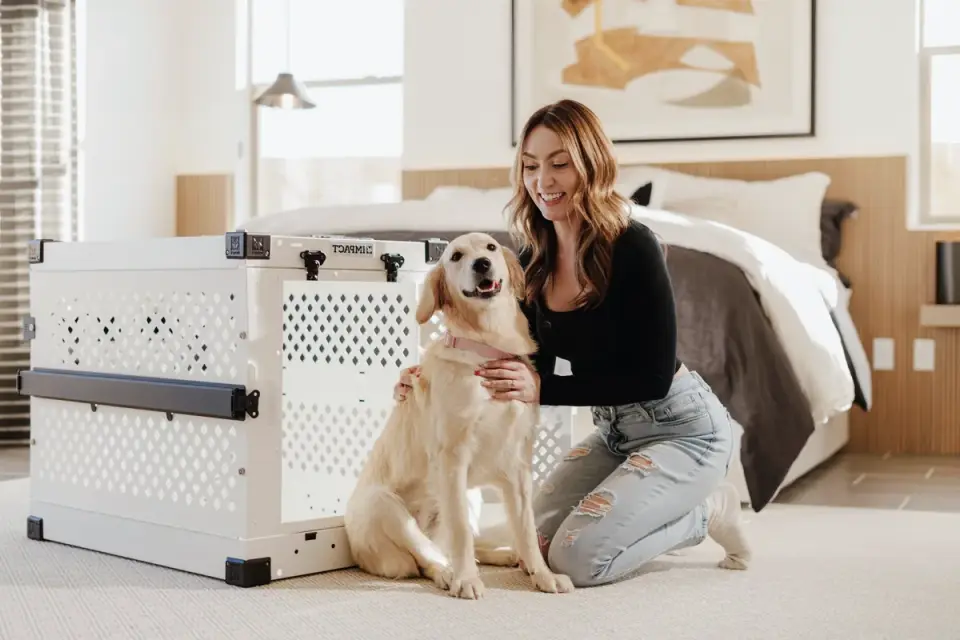
Rest is not optional.
A tired, over-walked dog shows more panting, pacing, and reluctance that owners sometimes mistake for a medication problem. I counsel a predictable loop: potty, dose with meal, gentle walk, quiet crate rest. Weight, bedding, and home environment still count while you travel, and supplements that may help support joint structure at home do not replace sleep and steady activity.
Storage, paperwork, and the sitter question
Heat is the quiet risk. Cars, trunks, and sunny hotel windows can degrade products and melt chews. Carry medication in the cabin, use an insulated pouch for long drives, and keep bottles closed and dry. Bring more than you need.
The edge case that changes plans involves air travel and boarding rather than driving. I worked through this with an owner flying with a 12-year-old terrier mix, 18 pounds, on daily cardiac and joint medication, three weeks in advance of the flight. Cabin rules required the carrier to fit under the seat, security required leak-proof medication bags, and the destination stay had no refrigerator for a food-paired liquid. We mapped it early using How to Fly With a Dog: The Complete Guide and lined up a backup: written dosing instructions, a trial of the travel feeding method at home, and a local clinic contact by day 10 before departure. Size changed what was possible, as I explain in Traveling With a Small Dog vs a Large Dog: What Actually Changes.
Carry a one-page sheet: diagnosis in plain terms, drug name, strength, dose time, with-food instructions, veterinarian phone, and what to do if a dose is vomited or missed. The American Veterinary Medical Association recommends planning for health certificates, ID, and confinement needs before travel, and that planning should include medication records.
Where I land and the counterargument I take seriously
My recommendation is expectation-first: protect baseline before you add anything new. No travel supplement or calming aid substitutes for on-time dosing, familiar food, and rest.
The strongest counterargument is that travel is the right time to simplify — fewer doses, more flexible timing. I understand the appeal. I still land on consistency because behavior is your early signal, and you can only read that signal against a stable baseline.
Owner checklist before you leave
Confirm refill dates, storage needs, and what to do for a late or vomited dose. Rehearse dosing in the crate or carrier. Set two alarms per dose. Pack food, water from home if your dog is sensitive, bedding, and a handling plan that keeps dosing low-stress.
Frequently asked questions
Should I adjust the timing for time zones?
For short trips, keep home time. For longer stays, ask your veterinarian how to shift gradually and what to do if a dose is late.
What if my dog vomits a dose while traveling?
Note the time, save the packaging, avoid re-dosing on your own, and call your clinic for direction.
Can I put pills in a new travel treat?
Stay with the food and method your dog already accepts. New foods can upset digestion and mask whether the dose was taken.
Sources
- Traveling with Your Pet — American Veterinary Medical Association