On this page
A 3-year-old, 58-pound mixed-breed dog I counseled owners about last fall had ridden loose since puppyhood. For the first 20 minutes of every drive he paced, whined, and pawed at the center console, then lunged forward at stoplights. His owners laughed it off until a sudden stop on a 12-mile grocery run sent him hard into the dashboard. He was sore for two days, and they were shaken. We made one decision that day: no more loose rides, and we would teach him that the back seat pays better than the front. His baseline behavior told us he was not disobedient so much as anxious and unanchored.
Why does the front seat pull them in?
Dogs move forward for predictable reasons. They follow you, they seek motion cues through the windshield, they feel unsteady on slick seats, and forward movement has worked before. If climbing once earned attention or a lap to lie on, the behavior was reinforced.
Prevention starts with structure. A dog that cannot physically reach you learns faster, stays calmer, and supports safer handling for everyone. The AVMA reminds owners that unrestrained pets can distract drivers and risk injury in a stop, which is why a back-seat restraint is part of low-stress handling, not punishment.
Expect a realistic timeline. Most dogs need 10 to 14 days of short practice sessions to accept a new setup. That may help support steadier travel behavior over time, not overnight.
What setup keeps them in back from day one?
Stop training through willpower alone. Set the car so climbing fails safely.
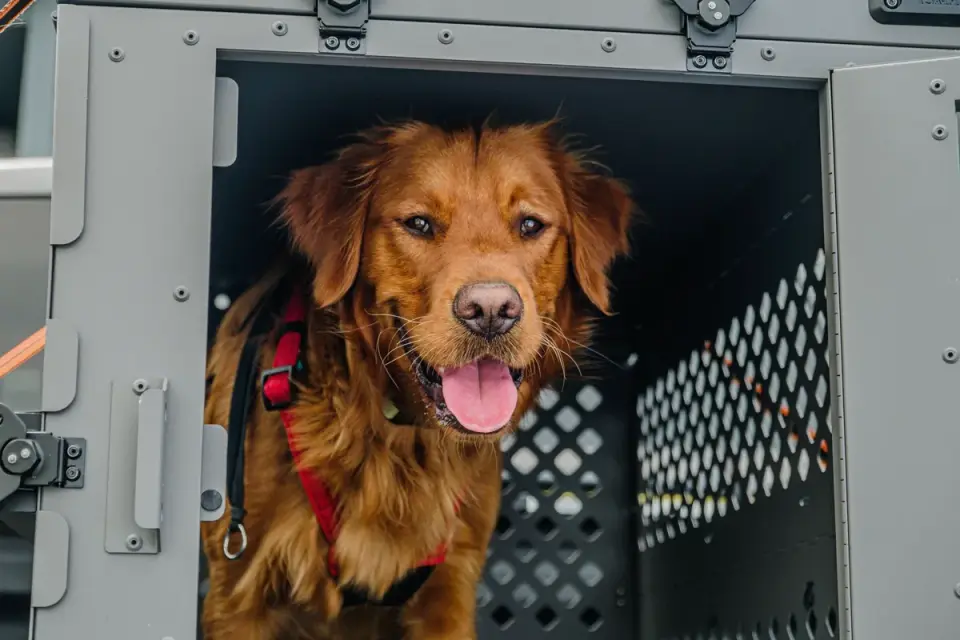
Park in the driveway and fit the gear first. Use a crash-tested harness attached to a seat-belt tether, a secured crate sized for standing and turning, or a fitted back-seat barrier plus harness for jumpers. Add a non-slip cover so footing feels stable. The Center for Pet Safety tests harnesses and carriers for structural failure, and their results are a useful baseline when you compare restraint options.
Place a familiar mat, chew, and water bowl in the assigned spot. Load from the back door on the same side every time. Clip in before you start the engine. Keep early drives under 10 minutes and end on a calm note. If you are choosing between equipment types, this comparison of Dog Car Seat Belt vs Crate vs Barrier: Which Restraint Is Safest? walks through the trade-offs by size and vehicle.
One short paragraph to carry with you: management does the heavy lifting while learning catches up.
How do you teach settle instead of climb?
One owner tried luring her young shepherd back with treats tossed over her shoulder while driving. For six nights of commuting she twisted, fed, and scolded in the same trip, and the dog learned that pacing earned snacks and that the front was still negotiable. By night seven the dog was panting before the engine turned over. We paused road training entirely. The failed approach showed us that rewarding from the front seat keeps the front valuable, and correcting while driving keeps the car tense.
Go back to parked practice. Sit in the back with your dog on leash. Reward four paws on the mat, then lying down, then head down. Keep sessions to 3 to 5 minutes. Add engine idling, then driveway rolling, then around the block. Drive with a helper in back for the first week if you can. The helper marks and rewards quiet settling and redirects attempts with a cheerful cue back to the mat. The American Kennel Club outlines a similar progression for back-seat manners and restraint fit.
Keep cues simple. Use one place cue, one release word, and pay for staying. Ignore whining if it is safe to do so, and reward the first quiet breath. Build duration before distance.
When should you bend the usual back-seat rules?
A 9-year-old, 11-pound senior with stiff hips and poor vision panicked in a covered crate and behind a tall barrier. She cried through two 30-minute trial rides and refused to load on day three. The usual advice — confine more tightly — was the wrong call for her joints and stress level. We changed the setup instead of pushing through. Her owner moved her to a low, open booster with a short harness tether on the back seat, added a ramp for entry, kept the front passenger seat empty and quiet, and drove only short daytime routes for two weeks.
That bend still honored the principle: restrained in back, supported posture, predictable routine. Senior and small dogs often need different footing and entry help, which is why size changes the plan in Traveling With a Small Dog vs a Large Dog: What Actually Changes. Watch breathing, drooling, trembling, and reluctance to load. Those signs may signal motion sickness or pain that deserves a veterinary check before more training.
Your two-week reset checklist
Check fit every ride. Two fingers under harness straps, tether short enough to prevent reaching the front, crate door latched. Vacuum crumbs, secure loose items, and keep leashes off the gearshift. Plan a potty and sniff break every 2 to 3 hours on longer trips. Keep the car cool and never leave a dog unattended in heat.
Practice daily. One parked settle session, one short drive, one longer drive by week two if settling holds. Track what helps: mat, chew type, departure time, helper present. If progress stalls after consistent practice, talk with your veterinarian about anxiety, nausea, or joint discomfort that may be driving the climb.
Frequently asked questions
Should I let my dog ride in the front seat if he is small and calm?
Back-seat restraint is still safer. Airbags and close dashboard contact raise injury risk, and a small dog becomes a projectile in a hard stop. Use a fitted harness or secured carrier in back.
Is it okay to hold the collar at stoplights to stop climbing?
Use equipment instead of your hands. A short tether or barrier prevents forward movement without pulling on the neck or splitting your attention from driving.
How long before my dog settles in back?
Many dogs improve within 10 to 14 days of daily parked practice plus short drives. Anxious, adolescent, or pain-prone dogs may need longer and a veterinary check.
Sources
- Traveling with Pets — AVMA
- Center for Pet Safety — Center for Pet Safety