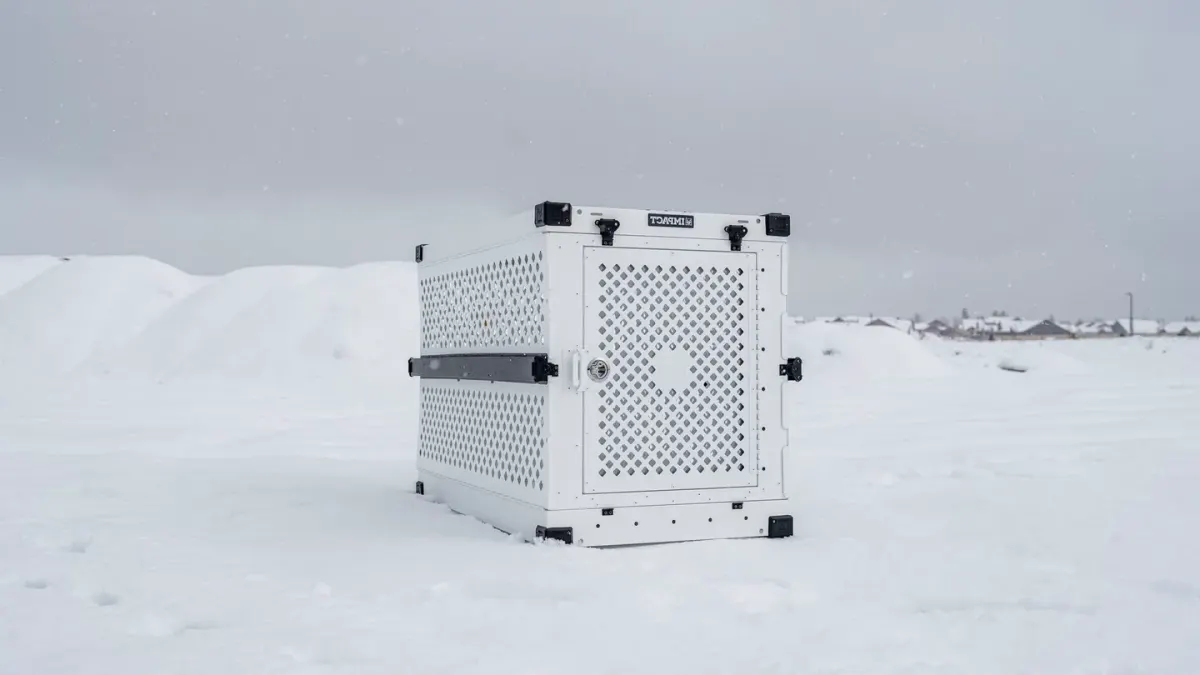
Baseline behavior in the car tells me more than the growl itself, and guarding from the boot is a pattern I counsel owners through often. Last autumn I talked with an owner of a four-year-old, 68-pound Labrador mix who stiffened and stared whenever anyone walked past the open tailgate at the trailhead. He had never bitten, but his body went still, his tail lowered, and he positioned himself squarely across the bumper. The owner wanted a firmer correction. I asked her to prioritize something else first: a repeatable loading routine, a clear resting spot inside the vehicle, and no reaching over the dog.
My premise is this: most boot guarding eases when the car becomes boring and predictable, not when the dog is challenged for the space. That view draws pushback because guarding looks like disobedience. I still hold it because punishment tends to raise the perceived value of the guarded area.
Why the boot triggers guarding in the first place
Cars combine confinement, high-value leftovers, novelty, and frequent approaches from strangers. A dog that is relaxed in the kitchen may guard the same blanket in the boot because the context has changed.
Resource guarding is a normal but risky behavioral strategy, and the Merck Veterinary Manual describes how dogs may use threats to retain valued items or resting places. Confinement can amplify that response. Movement restriction limits flight options, which leaves freeze, stare, and growl as the available tools.
Underneath that, arousal matters. Panting, pacing to the tailgate, whining on arrival, and reluctance to lie down often precede the hard stare owners notice. When I see a dog that will not settle before guarding starts, I treat restlessness as part of the same picture.
What I rule out before training
Pain and motion discomfort change behavior quickly. Stiffness after jumping in, reluctance to load, drooling, vomiting, or restlessness on bends deserve a veterinary check before you label the problem as purely behavioral. Older dogs with hip or spinal soreness may guard because being jostled or leaned over hurts.
I also ask about baseline exercise, feeding schedule, and what lives in the boot. A chew left in the crate, a food bag within nose reach, or a favorite toy wedged under a seat can anchor guarding to one trip and not the next.
Trading confrontation for a calmer routine
The strongest counterargument I hear is reasonable: should the owner just correct the growl and reclaim the space? The American Veterinary Society of Animal Behavior advises against confrontational and aversive methods for aggression and anxiety because they can increase fear and defensive behavior. That matches what I have watched in practice. A dog punished for growling may go quiet without feeling safer, which leaves fewer warning signals before a snap.
My evidence-bounded recommendation is management plus cooperative training. Management prevents rehearsal. Training builds a new association with people approaching the car.
Expectation first: this takes weeks, not one weekend. Timelines vary by severity, but owners who stay consistent usually see softer body language before they see perfect obedience.
A composite case shows the tradeoff clearly. An owner of a two-year-old, 44-pound spaniel tried tossing the dog out of the boot with a leash pop each time she lip-lifted at passersby, and three weeks in the behavior looked worse. The dog began barking at greater distances and refused to jump up without coaxing. We replaced the correction with distance, a covered crate, and tossed treats for quiet lying down while the tailgate stayed closed. The owner worried we were rewarding bad behavior. By day 10 the dog was lying down faster, though she still stared when a stranger stopped directly behind the bumper. Progress was uneven, and that unevenness is normal.

That middle phase is where most plans fail. Owners relax too early.
A step-by-step settling plan owners can follow
Keep handling low-stress and keep sessions short. Five calm minutes beat twenty tense ones.
1. Give the boot a defined resting place. Use a secured crate or a non-slip mat with a clear boundary. Anchor it so it does not slide. A dog with a designated spot has less reason to patrol the full opening. For restraint options and crash-safety tradeoffs, review Dog Car Seat Belt vs Crate vs Barrier: Which Restraint Is Safest? before you choose hardware.
2. Separate loading from greetings. Load 5–10 minutes before people gather around the car. Close the tailgate promptly. Avoid letting friends crowd the bumper to say hello while the dog is still aroused from the walk.
3. Pay for calm, at a distance. With the tailgate closed or the dog crated, reward lying down, sighing, head rests, and turning away from triggers. Work at the distance where the dog notices people but can still take food. If the dog will not eat, you are too close.
4. Practice approaches without pressure. Ask a helper to walk past at 15–20 feet, then farther if needed. The helper should not stare, reach in, or offer a hand to sniff. Pair each pass with a small treat delivered inside the crate, then end the repetition.
5. Remove competing valuables. Travel without loose chews, food bags, or novel toys in the boot during retraining. Water on long trips is fine; place it where you can refill without leaning over the dog.
Predictability is the point.
Where movement and weight fit
A dog that arrives at the car overtired or understimulated struggles to settle. A sniff walk before driving, steady daily movement that suits age and joints, and healthy body condition may help support calmer resting behavior and musculoskeletal comfort. Supplements are secondary here. If joint stiffness makes loading painful, ask your veterinarian whether a joint-support plan alongside movement and weight care fits your dog. Stay within structure and function, and judge any product on transparent labeling and realistic timelines.
For size-specific setup details, Traveling With a Small Dog vs a Large Dog: What Actually Changes helps owners adjust crate size, lift height, and ventilation. Dogs with nausea need a different plan first; Ginger Versus Chamomile for Dog Car Sickness: What the Evidence Actually Supports explains what the evidence actually supports.
The edge case that changes the plan
Not every dog guards possessions. Some guard a person in the car, and some guard only at specific locations. I counseled through a composite scenario with a nine-year-old, 71-pound shepherd mix who ignored strangers in parking lots but growled when the owner’s grandchild approached the boot at home, and the shift appeared after a slipped lead incident two months earlier. The home tailgate had become a rehearsal spot for rushed goodbyes, hands reaching over his head, and treats slipped from small hands. We moved all greetings away from the vehicle, taught a middle-seat station instead of the bumper, and asked family to ignore the dog until he was leashed and unloaded. His evening restlessness also improved once the household followed a steadier wind-down routine, similar to the pattern described in Why Your Dog Won’t Settle in the Evening. Location-specific guarding needs location-specific management.
The RSPCA notes that guarding often centers on valued items and resting places and recommends avoiding confrontation while seeking professional advice for aggression. I follow that same threshold: growling over the boot is communication, not defiance, and professional guidance matters sooner when children are involved.
Owner checklist before your next drive
- Veterinary check if loading is stiff, painful, or newly reluctant.
- Secured crate or mat, non-slip surface, tailgate routine that limits crowding.
- No loose high-value chews or food bags in the boot during retraining.
- Train at distance where the dog can still take treats and lie down.
- No reaching over, cornering, or taking items by force.
- Log triggers: place, distance, person, time of day, and what helped.
- Seek a qualified behavior professional if you see snapping, lunging, biting, guarding around children, or no change after 3–4 consistent weeks.
Calm car behavior is built through repetition owners can sustain.
Frequently asked questions
Should I punish my dog for growling in the boot?
I advise against it. Growling is warning communication, and confrontation can increase fear and defensive behavior. Increase distance, close the tailgate, remove high-value items, and reward calm lying down instead.
Does crating help a dog that guards the car?
A secured crate often helps because it limits patrolling, reduces direct approaches from strangers, and gives the dog a defined resting spot. Introduce the crate gradually at home first so it predicts rest rather than confinement stress.
When should I call a professional for car guarding?
Seek prompt help for snapping, lunging, biting, guarding around children, or guarding that spreads to new places. Also seek help if there is no improvement after 3–4 weeks of consistent management and distance-based training.
Sources
- Behavioral Problems of Dogs — Merck Veterinary Manual
- Position Statements — American Veterinary Society of Animal Behavior