On this page
Here’s the premise I open with in an exam room: most owners who tell me their dog is “aggressive” are describing a dog who is actually reactive. The words get used as if they’re interchangeable. They aren’t, and mixing them up is the single fastest way to pick the wrong training plan for the dog in front of you.
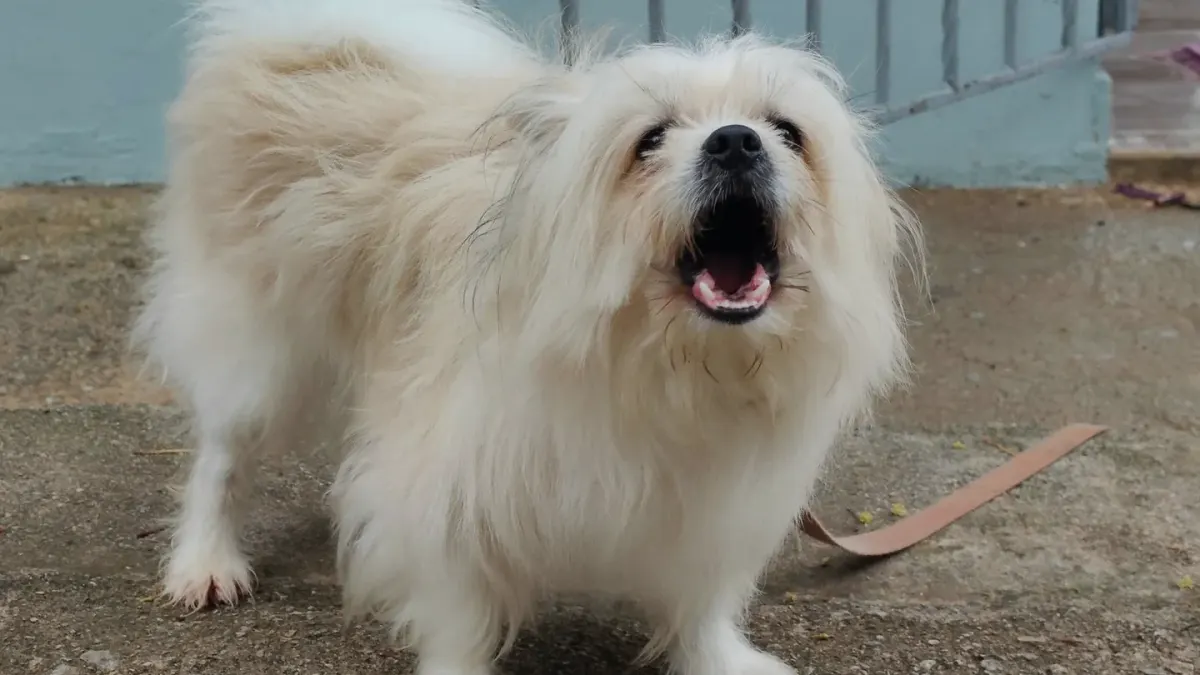
Reactive means the dog wants space. Barking, lunging, stiffening on leash — these are almost always attempts to increase distance from something the dog finds overwhelming: another dog, a skateboard, a stranger reaching too fast. Aggressive means the dog wants the trigger removed, and is willing to make contact to do it. That’s a narrower, more serious category, and it’s the one that actually calls for a behaviorist referral before anything else.
What reactivity actually looks like
Reactivity is a threshold problem, not a character flaw. A reactive dog has a lower tolerance for a specific set of triggers — often other dogs, sometimes men in hats, sometimes bikes — and once that threshold is crossed, the dog goes loud and big. Barking, lunging to the end of the leash, spinning, sometimes a redirected nip at the leash itself. The behavior is almost always about creating distance, and it almost always de-escalates the moment distance is achieved. Watch what happens after the trigger passes: a reactive dog usually shakes off, sniffs the ground, and moves on within a minute or two. That recovery curve is one of the most useful things I ask owners to track, because it tells you more than the outburst itself does.
What aggression actually looks like
True aggression is goal-directed toward contact, not distance. The posture is different too — a forward, weighted stance rather than the crouched, retreating lean you see in reactivity. A dog escalating toward aggression often skips or shortens the warning signals (stiffening, hard stare, a low growl) because those signals haven’t worked for them before, or because pain, resource guarding, or a genuine threat assessment is driving the response. This is the category where I want eyes on the dog in person — a veterinary behaviorist or a certified trainer working under one — because the risk profile is different and guessing wrong has real consequences for people and other animals.
One of the dogs I worked with was a 4-year-old, 62-pound German Shepherd named Duke, whose owners came in describing him as “getting aggressive” on walks. What they’d actually filmed on their phone was a dog who lunged at other dogs from twenty feet away, went stiff and loud for about ten seconds, then dropped his tail and trotted on once the other dog was out of sight. That recovery — the tail drop, the sniffing, the walking on — was reactivity, not aggression. What changed my read wasn’t the noise; it was what he did in the sixty seconds after the trigger left. We built a plan around distance management and threshold work instead of the muzzle-and-referral track his owners had braced for, and within six weeks they were walking a wider radius around other dogs without the theatrics.
Test the label against what you’re actually seeing
Before you commit to a training plan, run the dog’s behavior against a short checklist rather than the word you’ve been using to describe it:
- Does the behavior stop when the trigger leaves? Fast recovery points toward reactivity.
- Is the dog moving away or moving toward? Retreating-while-loud is reactive; advancing-while-quiet is a harder sign of aggression.
- Has contact ever happened, or has it stayed at threat level? A bite history changes the urgency of the plan regardless of anything else on this list.
- Is there a pattern tied to pain, resource guarding, or a specific context (vet exams, food bowl, being cornered)? That context matters for both categories but especially reshapes how you treat aggression.
- How long has the pattern been building? A sudden change in either direction, especially in an older dog, is worth a veterinary exam before a behavior consult — pain is a common and underdiagnosed driver of both.
Build the routine around the correct category
For reactive dogs, the plan is almost entirely about managing distance and rewiring the threshold response: working below the distance at which the dog reacts, walking at low-traffic times, using visual barriers, and rewarding calm attention near a trigger before slowly closing the gap over weeks, not days. If your dog’s reactivity shows up mostly in the house or a specific room, it’s worth reviewing how the space itself is set up — the same principles covered in Common Mistakes When Setting Up a Dog Recovery Space apply directly to reducing pressure points for a reactive dog, not just an injured one.
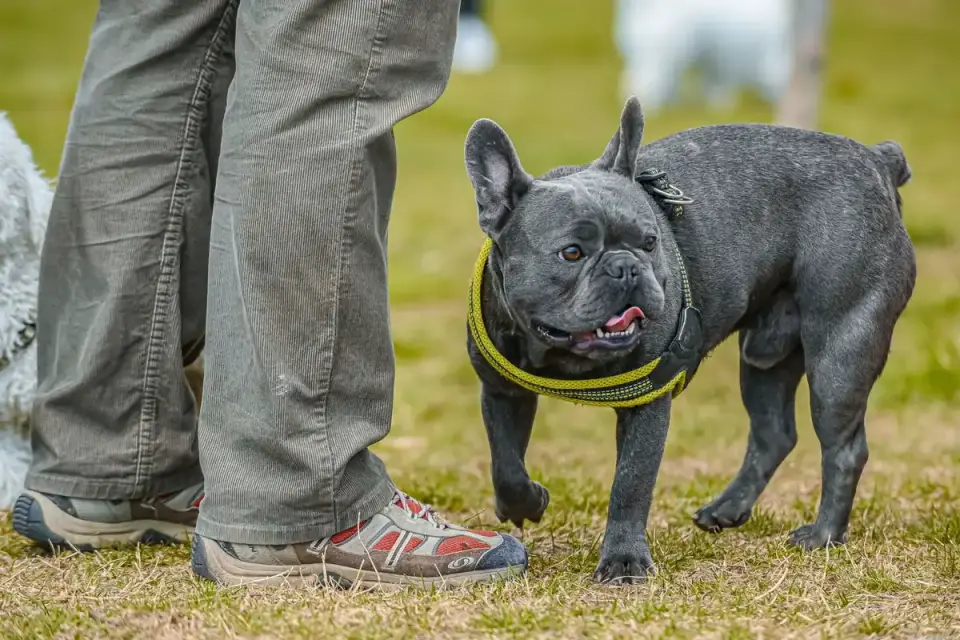
For dogs trending toward aggression, management comes first — muzzle conditioning, environmental control, ruling out pain or a medical driver — and the training plan needs a professional in the loop, not a checklist from an article. Breed tendencies matter here too; herding breeds in particular carry a strong distance-increasing instinct that owners sometimes misread as aggression when it’s closer to reactivity, a distinction worth understanding if you’re weighing something like Border Collie vs Australian Shepherd temperaments before bringing a dog into a busy household.
Where calming support fits, and where it doesn’t
Supplements are not a substitute for the plan above, and I say that to every owner who asks whether something in a bag can replace the leash work. What they can do, in a preventive-care sense, is take the edge off a dog’s baseline arousal so training sessions land better. Chamomile and valerian root have a history in traditional herbal care for supporting relaxation, and a review in Biomedicines notes that for most species the evidence behind chamomile is still mainly preclinical or drawn from traditional use — worth knowing before expecting too much from it alone. L-theanine, an amino acid found in tea, has been studied for calming properties; a review published in Molecular Psychiatry found a meaningful effect in one study on psychotic anxiety at 400 mg/day over eight weeks, though that dose and population is human, not canine, so it’s a data point rather than a dosing instruction for dogs. KSM-66 ashwagandha has more to stand on: a systematic review in Cureus covering multiple randomized controlled trials concluded it has a moderate positive impact on stress reduction and cognitive performance. None of this replaces threshold work — think of it as lowering the volume on a dog’s nervous system so the training actually has room to work.
When to bring in a professional, not a plan from an article
Call a veterinary behaviorist or a certified trainer working under veterinary guidance if there’s ever been contact, if the behavior is escalating in frequency or intensity, if it appears suddenly in a dog with no history of it, or if you genuinely cannot tell which category you’re looking at. That last one is common, and it’s not a failure on your part — it’s exactly why the checklist above exists, and exactly why a professional assessment beats guessing from a leash six feet away.
I think about Duke’s case often, because the gap between what his owners feared and what was actually happening was the difference between a muzzle referral and a six-week walking plan. Getting the label right the first time is worth the extra five minutes it takes to watch what the dog does after the trigger is gone.
So — watch the recovery, not just the outburst. What does your dog do in the sixty seconds after the trigger leaves?
Frequently asked questions
Can a reactive dog become aggressive over time?
Yes, if the underlying stress isn't managed and the dog's warning signals keep failing to create distance, some dogs escalate toward contact. That's part of why early, correct identification and a distance-based training plan matter.
Is barking and lunging on leash always reactivity, not aggression?
Not always — but it's the more common explanation, especially when the dog's tail is down, the posture is retreating, and the behavior stops once the trigger is gone. A forward-weighted stance with little recovery time afterward is more concerning.
Should I use a muzzle for a reactive dog?
Muzzle conditioning is more commonly recommended for dogs trending toward aggression or with any bite history, as a safety and management tool while training progresses — it's less often necessary for pure distance-seeking reactivity, but a professional assessment should guide that call.
Sources
- Chamomile in Anxiety and Stress: A Narrative Review — Biomedicines
- KSM-66 Ashwagandha and Stress Reduction: A Systematic Review — Cureus
- L-Theanine and Anxiety: A Meta-Analytic Review — Molecular Psychiatry