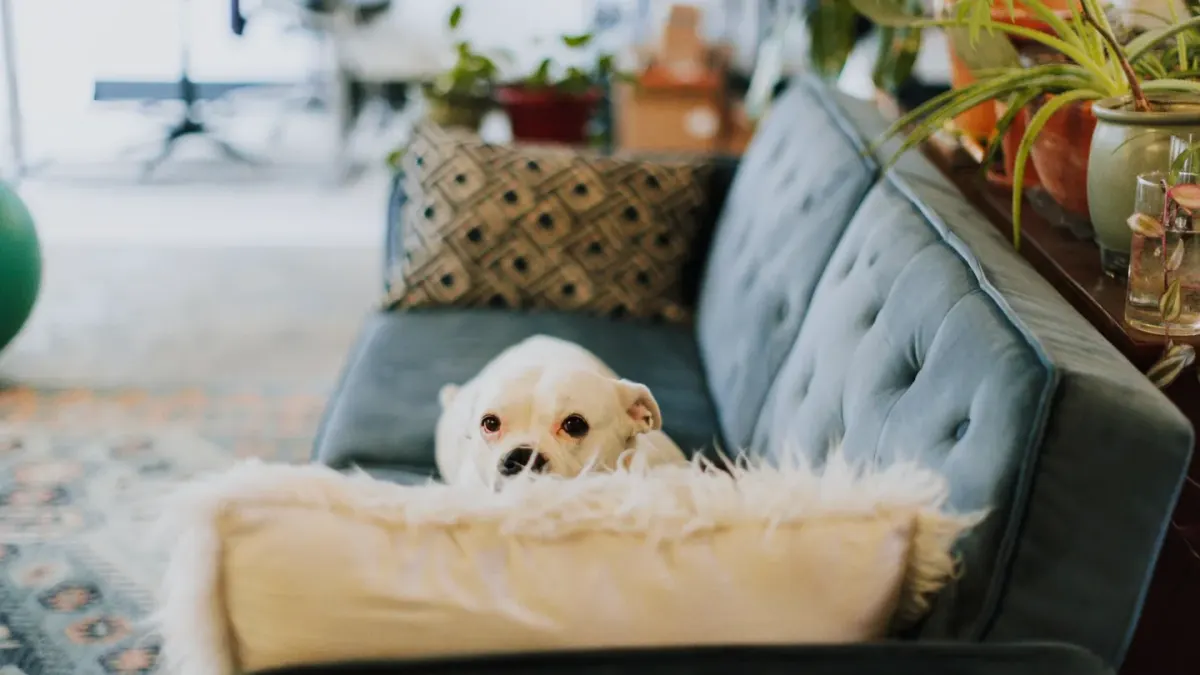
Here is the premise I ask you to test with me: calm exposure builds confidence, while crowded exposure just builds noise.
Most owners hear they need to socialize more, meet more dogs, visit more places. I counsel the opposite in the exam room. Your baseline goal is not a puppy who has seen everything by 14 weeks. It is a puppy who learned that new sights, sounds, and handling predict good things and end before stress climbs. That expectation changes how you plan every outing.
I had a client with a 10-week-old spaniel mix who was doing everything the internet told her to do. Puppy class on Monday, pet store on Tuesday, a busy farmers market on Saturday. By day 10 the pattern was clear: tucked tail at the market, refusal to take treats on the sidewalk, then wild mouthing at home that she was reading as defiance. We stripped the plan back to one short outing per day, paired with rest. For guidance on that mouthy rebound, I often point families to How to Stop Puppy Biting and Mouthing. Within three weeks in, she was taking chicken on a quiet bench and watching the world with soft eyes.
What the window actually is
The socialization window is the early developmental period when puppies learn fastest what is safe, social, and normal. You will see different week ranges quoted, and the exact edges vary by breed and individual. Think of it in life stages: early learning with the breeder, rapid learning when the puppy comes home around 8 to 10 weeks, then a gradual shift toward caution as adolescence approaches.
The American Veterinary Society of Animal Behavior supports early, careful socialization alongside preventive care, and your veterinarian can help you balance infection risk with behavior risk for your neighborhood.
Calm counts more than crowded.
Why short and positive beats busy and long
Young brains link feeling to place. A five-minute sit outside a quiet library where your puppy notices a bicycle, hears a door close, gets cheese, and leaves happy teaches more than an hour at a chaotic event. Keep thresholds low. Watch for lip licking, yawning, turning away, crouching, or a sudden inability to take treats. Those are your cues to add distance, lower intensity, and end well.
Build a simple rhythm: brief exposure, play or sniff break, rest at home. Puppies consolidate learning during sleep, and overtired puppies practice the behaviors owners like least, from jumping to chewing. If you are sorting out whether that chewing is restlessness or worry, this comparison can help: Is My Dog Chewing Out of Boredom or Anxiety?.
The tradeoff showed up last spring with a 4-month-old, 38-pound retriever mix who loved people a little too much. The owner believed more greetings would teach manners, so every walk became ten on-leash hellos. By week three the puppy was barking and lunging when prevented from saying hi, which looked like aggression but behaved like frustration. We cut greetings to zero for two weeks and replaced them with treat scatter in grass and parallel walks with one steady adult dog. That frustrated barking softened once hellos were no longer the whole walk, though we still had to retrain the habit of pulling toward every person.
A practical week-by-week way to use it
You do not need a checklist of 100 people and 50 places. You need repetition of ordinary life, done gently.
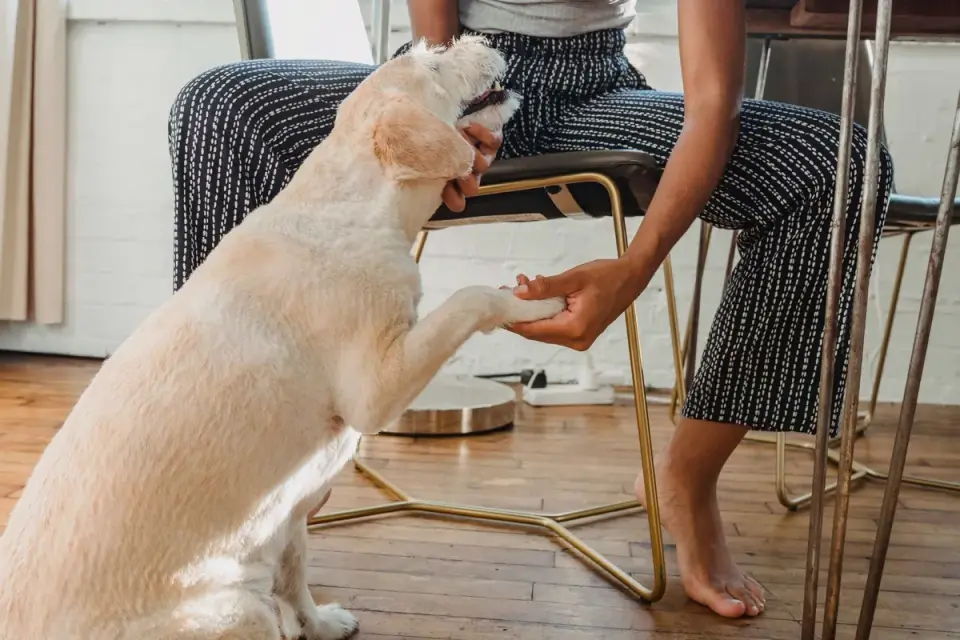
Days at home: practice low-stress handling for ears, paws, collar, and mouth for a few seconds at a time with food reward. Run the vacuum in another room while you feed dinner. Invite one calm visitor who tosses treats and ignores jumping.
Short trips out: carry or use a clean blanket in a cart if your veterinarian advises limiting ground contact before vaccines are complete. Sit at a distance from a playground, bus stop, or quiet storefront. Let your puppy watch, sniff, and disengage on their own. Keep sessions under ten minutes.
Sounds and surfaces: wood floor, wet grass, metal grate, car ride to nowhere, umbrella opening across the room. Pair each with something pleasant and stop while your puppy is still curious.
If growling pops up during handling or petting, do not punish the warning. Pause and reassess your approach with help from Why Does My Dog Growl When I Pet Him? A Guide to Reading the Warning.
The strongest counterargument, and why I still land here
The strongest pushback is understandable: should we wait until vaccines are finished to keep puppies safe from infection? I respect that worry, and I never dismiss it. My answer is still to socialize early but manage risk, not to isolate.
Isolation carries its own health cost. A puppy kept home until 16 to 20 weeks may miss the easiest learning period for accepting handling, novel sounds, and polite behavior around people and dogs. That gap often shows up later as fear, barrier frustration, or handling struggles at the clinic. The safer middle path is what I recommend to almost every family: avoid dog parks and unknown-dog contact, choose clean, low-traffic settings, wash hands, follow your veterinarian’s vaccine schedule, and prioritize quality over quantity.
An edge case reminded me why flexibility matters. A 1-year-old, 14-pound rescue terrier had missed early exposure entirely and startled at trash cans, hats, and doorways. The owner assumed the window had slammed shut and training was pointless. We treated her like a cautious puppy in an adult body. Three weeks in, with twice-daily five-minute sessions and a consistent retreat cue to a mat, she began checking in with her owner instead of bolting when a skateboard passed at 20 feet. Progress was slower than with an 9-week-old puppy, and we kept expectations modest, yet her baseline behavior still shifted toward recovery rather than panic.
Your owner checklist to close
Keep it preventive and realistic. You are supporting structure and routine, not chasing perfection.
- One short outing beats three long ones. End while your puppy still wants more.
- Pair novelty with food, play, or sniffing. Let your puppy set the distance.
- Practice handling daily for seconds, not minutes, with treats for cooperation.
- Protect sleep. Most young puppies need long naps between learning blocks.
- Track triggers and thresholds for a week. Adjust the plan, not the puppy.
- Ask your veterinary team early if fear, mouthing, or reactivity is growing rather than fading.
You cannot expose your puppy to the whole world in a few weeks, and you do not need to. Teach the nervous system a simpler lesson: new things are brief, predictable, and safe with you.
Frequently asked questions
What is the puppy socialization window?
It is the early period when puppies most readily learn what people, dogs, sounds, and handling mean. Focus on brief, positive exposures and rest, and ask your veterinarian how to balance socialization with vaccine timing.
How much socialization does my puppy need each day?
Most young puppies do better with one or two sessions under ten minutes than with long outings. Watch for turning away, crouching, or refusing treats, then add distance and end on a good note.
What if my puppy missed early socialization?
Keep expectations realistic and work at the dog's pace with distance, food reward, and predictable routines. Older puppies and adults can still learn, even if progress is slower than during the early weeks.
Sources
- AVSAB Position Statement on Puppy Socialization — American Veterinary Society of Animal Behavior