On this page
I counsel owners to treat whale eye as a request for space first, not disobedience or guilt, and that expectation changes everything you do next.
In my exam room I see a 4-year-old, 68-pound Labrador-type dog curled on the couch while a toddler leans in for a hug over his shoulders. His body goes still, his mouth closes tight, he turns his nose away but keeps his eyes locked on the child, and a bright half-moon of white flashes at the corner. By day 3 of tracking, the owner counts four repeats in the same spot, all during close leaning and hugging, and we finally have a concrete decision to make about that couch corner and how greetings happen there.
Run this 30-second safety checklist first
- Freeze plus white eye: Body stiff, head turned, eyes fixed — give space now.
- Context matters: Guarding food, toy, bed, person, or feeling cornered raises risk.
- Stacked signals: Lip lick, yawn, tucked tail, growl, or hard stare with whale eye means threshold is near.
- What to do: Stop reaching, turn sideways, call away sweetly, and let the dog leave.
- What not to do: Do not punish the look, hold the face, or force a hug for a photo.
This checklist keeps you preventive. Whale eye may help support early communication before a dog feels the need to growl or snap, and honoring it builds trust faster than any correction.
What whale eye actually looks like
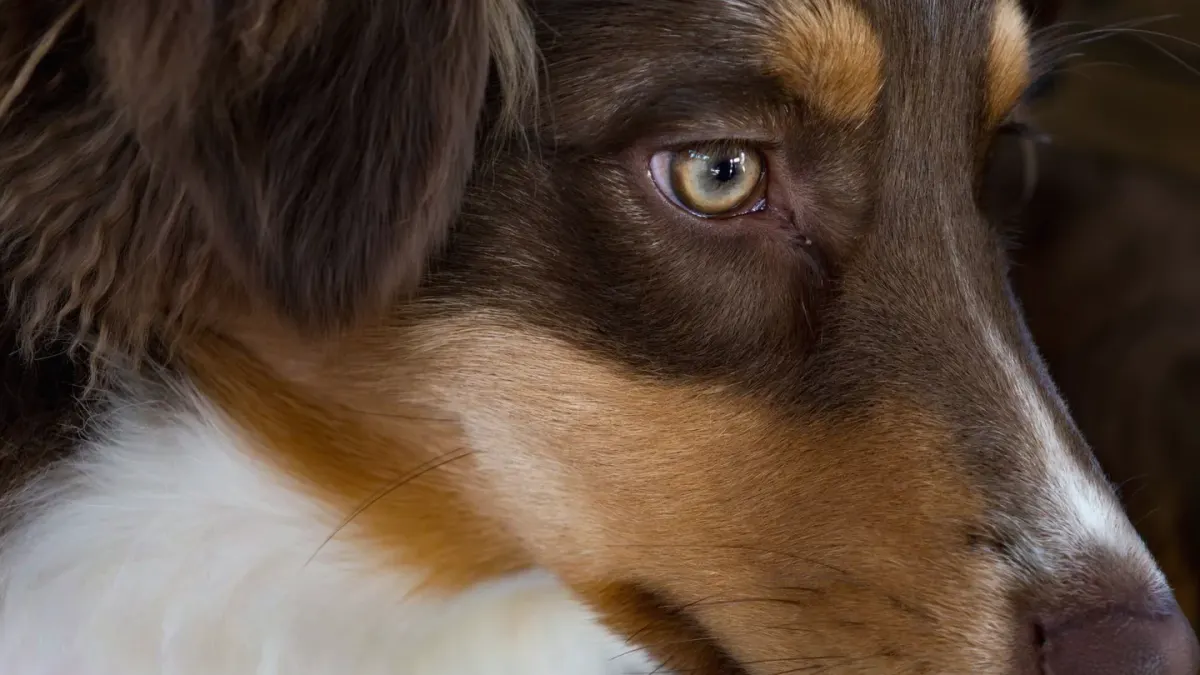
Whale eye is when your dog turns the head away slightly but keeps staring toward you or a trigger, so you see the whites, or sclera, in a crescent at the corner or below the iris. I expect owners to confuse it with a side glance. The difference is tension. A relaxed side glance comes with a soft body, loose mouth, and easy wag. True whale eye comes with stillness, a closed mouth or hard pant, furrowed brow, and ears pinned back or forward and fixed.
The American Kennel Club describes this full-body context as central to reading canine stress, because eyes alone never tell the whole story. I agree. Look at weight shift, tail carriage, and whether the dog is leaning away while watching.
Why dogs show it: unease, not guilt
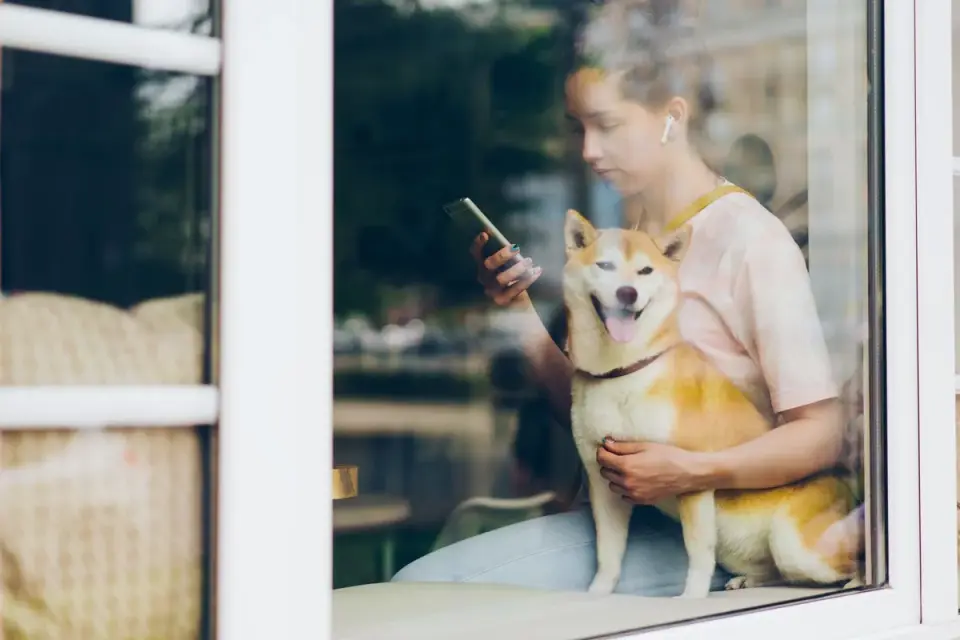
My disputed premise is simple: most whale eye is about perceived pressure, not dominance or remorse. Dogs show it when they want distance but feel unsure about moving — during a tight hug, a reach over the head, a stranger crowding at the park, a child climbing near a chew, or handling at the vet table.
That reframe matters for movement and home life. If you label it stubborn, you push in. If you label it uneasy, you create an exit. The American Veterinary Society of Animal Behavior emphasizes low-stress handling and reading early fear signals to prevent escalation, which matches what I teach for daily routines: pause, reduce pressure, and reward the choice to disengage.
I tried to ignore that advice once with a 2-year-old, 45-pound cattle dog mix who froze and flashed whale eye every time guests reached for his collar near the front door. The owner had been told to correct the stare with a leash pop and make him hold a sit for greetings. Within two weeks the hard stare faded, which looked like success, until by day 14 he skipped the eye signal entirely and air-snapped when a visitor grabbed his collar. We had punished the warning without changing the setup, and the tradeoff left us with less notice and the same fear at the doorway.
Your calm response routine at home
Keep it preventive and practical. Structure and realistic timelines beat quick fixes.
- Pause and soften. Stop forward motion. Drop your shoulders, blink, and turn your body slightly sideways.
- Offer an out. Toss a treat a few feet away or invite the dog to a mat bed. Movement toward the mat may help support a calmer baseline over time.
- Reset the setup. For resource moments, add distance, feed in a quiet corner, and avoid trading items by hand-grabbing.
- Teach consent for handling. Touch collar, treat. Lift paw briefly, treat. Two-minute sessions, twice daily for three weeks, build a predictable pattern.
- Log the pattern. Note place, person, time of day, and what stopped it. Most families see a clearer trigger by day 10.
For handling-heavy dogs, VCA Hospitals outlines similar body-language basics that pair well with low-impact exercise, healthy weight, and a quiet resting spot. I find dogs that sleep well, walk daily at an easy pace, and have a safe mat show fewer stacked stress signals.
The edge case that changed my counseling came with a 9-year-old, 54-pound senior retriever who started showing whale eye on the exam table during hip handling. At home she was sweet and loose, with no guarding and no new people in the house. By week three the owner noticed she hesitated for six seconds before the couch and whined once on stairs, and the table signal suddenly read less like worry about people and more like discomfort when weight shifted onto sore hind legs. We adjusted lifting support, added rugs, shortened walks, and scheduled a full mobility exam instead of more socialization.
When to call your veterinarian or trainer
Call sooner when whale eye is new, frequent, or paired with growling, snapping, hiding, appetite change, limping, or sensitivity to touch. Pain, vision change, thyroid shifts, and cognitive change in seniors can lower tolerance. I set the baseline first — behavior history, video of two or three episodes, diet, weight trend, and daily movement — then refer to a force-free trainer for a desensitization plan when needed.
If you want to connect the dots to similar warning signals, compare Why Does My Dog Growl When I Pet Him? A Guide to Reading the Warning and Barrier Frustration vs Aggression: What’s the Difference? for how context changes the response. For mouthy arousal that often overlaps with staring and freezing, How to Stop Puppy Biting and Mouthing lays out a redirection routine that keeps hands safe.
What would change if you answered that sideways glance with more room instead of more pressure?
Frequently asked questions
Is whale eye always aggression?
No. It most often signals unease and a wish for space. Take it as an early warning, add distance, and watch for stacked signals like freezing, growling, or a hard stare.
Should I punish whale eye or a growl?
I do not recommend punishment for warning signals. It may suppress the signal without changing the feeling, which can leave you with less warning next time. Change the setup and reward calm disengagement instead.
Sources
- Dog Body Language — American Kennel Club
- Position Statements — American Veterinary Society of Animal Behavior